Is it really that hard to love? Or, to put it more honestly, is it just far too easy to hate? I can dislike many things—traffic, small talk, badly written signs—but hatred is something else entirely. It is dislike that has put on combat boots and decided to go looking for trouble.
I grew up in Baroda (Gujarat, India) in the 1980s, a period best described as educationally committed but socially volatile. Riots were frequent, curfews longer, and logic largely optional. Our home sat firmly inside a curfew zone; my primary school, inconveniently, did not. School, it seemed, was non-negotiable—even when the city was periodically on fire.
So my father—Baba—improvised. He bribed auto-rickshaw drivers, and almost certainly a policeman or two, to smuggle me across barricaded streets so I wouldn’t miss maths lessons. Religious extremism was allowed a free run; missing school was not.
Around this time my maternal grandfather came to stay with us. He was in the early stages of Alzheimer’s and had developed a fondness for walking out of the house without the faintest idea of how to return. Most days my mother intercepted him with the precision of airport security. One day, however, life intervened.
Dadu went out in the afternoon. The sun went down. Dadu did not come back.
By the time my father returned from work, the house was thick with panic. Without hesitation—or perhaps without fully processing the wisdom of this decision—he went back out into a city already sliding into riot mode, to look for a man who no longer recognised addresses, landmarks, or indeed urgency.
After knocking on doors and interrogating strangers, Baba finally found Dadu sitting happily in the cowshed of our local milkman, in excellent spirits and questionable company of the buffaloes and the cows. The milkman explained that he assumed someone would eventually come looking and saw no reason to rush matters.
What emerged later was the more remarkable part of the story. While my father was there, a group of neighbours—Muslims, like the milkman—arrived and demanded that my father be handed over to them. The milkman refused. He explained, patiently, that this man was not a zealot, not a provocateur, not worth anyone’s outrage. He was simply retrieving his lost father-in-law.
My father came home with Dadu, the story, and a problem: Dadu smelled strongly of cows and their assorted outputs. This was resolved swiftly with a hose.
I revisit this memory often—not because I believe in religious madness (I don’t), but because I believe, somewhat unfashionably, that most people are decent when given half a chance. That even in situations perfectly engineered for violence, someone might choose restraint instead.
And whenever hatred feels tempting—efficient, righteous, justified—I think of consequences. Not in abstract terms, but practical ones. Who gets hurt. Who gets saved. And who ends up needing to be hosed down at the end of the evening.
Where Beauty Knows No Borders
These pieces were painted slowly, by hand, using Sennelier watercolours — guided by colour, texture, and instinct. Flowers, birds, and faces come together as quiet symbols of resilience, softness, and continuity.
The portrait of the Ukrainian woman features a traditional floral headscarf (khustka), long worn as a symbol of identity, strength, and belonging. Set against sunflowers, it honours both cultural heritage and quiet defiance.
Across every piece, the message remains the same: beauty is universal — it transcends borders, languages, and circumstance.
Reading & Watching
★★★★★ The Loneliness of Sonia and Sunny — Kiran Desai A humane, emotionally intelligent novel about love, inheritance, and immigration. Desai captures the exhaustion of endless reinvention with poetry and restraint, building a world that feels deeply lived-in and quietly devastating.
★★★★★ Hamnet Chloé Zhao’s restrained direction turns grief into something domestic and intimate. Jessie Buckley is extraordinary, Paul Mescal quietly devastating. A film that trusts silence, stillness, and emotional precision.
What we mistake for leadership
Perhaps forgetting harm, accountability, and the lessons of recent history was never the answer. What we need is a braver way of remembering—one that holds people to account without cruelty, speaks with conviction without contempt, and creates distance without dehumanising.
True leadership is not loud or divisive. It is courageous, steady, and humane.
Leaders are peace-makers, economists of consequence, stabilisers in chaos, facilitators, enablers, and problem-solvers. They do not fracture societies, reduce entire races or cultures to caricatures, or thrive on fear and hatred.
And yet, we keep mistaking noise for strength and division for direction.
Life drowns us in noise—commitments, distractions, endless demands. In that blur, we risk losing sight of what matters. So I ask: what is my focal point?
For me, it’s the smallest, strongest things—kindness, trust, respect. They steady my household of three and ripple outward.
A small incident brought this home. My daughter lost her phone on a bus. Three attempts later, we retrieved it. The real lesson wasn’t about the phone—it was about focus. Without attention to small details, bigger things slip.
And that truth stretches wider. Our national gaze is fixed on asylum seekers, turned into scapegoats. But the real issue isn’t them—it’s crumbling healthcare, childcare, and social care, leaving families to cope alone.
When we misplace our focus, we chase the wrong enemy. When we return it—to daily acts of kindness, to well-funded services—we steady not just our lives, but our society.
Because in the end, it’s not noise or anger that sustains us. It’s focus. On what matters most.
Believing in humanity , not division, not hatred
At the heart of every society lies a choice: to believe in one another, or to surrender to fear. Too often, we are urged toward the latter. Leaders rise on promises not of unity, but of suspicion. They point to difference—of race, religion, nationality, gender—as a fault line, a danger. And people, weary and anxious, follow. Division has become a political strategy, wielded like a weapon.
But humanity is not built on suspicion. It is built on connection. Every small act of kindness—holding open a door, listening without judgment, checking on a neighbour—shows how natural it is for us to care. We are wired to look after one another, to share burdens, to extend trust. When leaders try to fracture that instinct, they are not just undermining politics—they are undermining what makes us human.
The danger is clear. When fear becomes the focal point, hatred follows. Refugees become scapegoats for broken public services. Migrants are blamed for economic strain that is rooted in policy failures. Communities are set against one another while those in power escape accountability. Division blinds us to the real problems and drains us of the will to solve them together.
Yet history reminds us that hatred never sustains a society. It corrodes it. The moments we look back on with pride—the civil rights movement, the fight against apartheid, communities rebuilding after war or disaster—are moments when people chose humanity over division. When they refused to believe the lie that their neighbour was their enemy.
To believe in humanity today is a radical act. It is to insist that empathy is stronger than fear. It is to demand leaders who unite rather than fragment, who address root causes instead of inventing scapegoats. And it is to live, in small daily ways, as though our shared dignity matters more than our differences.
The world will not change overnight. But every time we reject division, every time we refuse hatred, we tilt the balance toward a society worth living in. Believing in humanity is not naïve—it is necessary. Because without it, there is no future, only fragments. With it, there is the possibility of wholeness, of peace, of a world rebuilt not on fear, but on trust.
Studio highlights
Festive collection – Autumn and Winter
Bring the season and the countryside into your home with these beautifully illustrated cushions.
🎄 Christmas Garden – A joyful blend of poinsettias, amaryllis, cyclamen, and narcissus, intertwined with ivy wreaths and playful robins. This design captures the heart of Christmas: nature, warmth, and a touch of festive magic. Perfect for adding a seasonal glow to any room.
🐓 Country Hens – A rustic celebration of farmyard life, with richly detailed hens nestled among vibrant blooms against a classic gingham backdrop. This cushion radiates rural charm, evoking the comfort of slow mornings and timeless countryside kitchens.
Together, they bring a mix of cosy rural aesthetic and festive cheer—ideal for gifting or refreshing your home décor.
Step into the season of shadows with these richly illustrated designs, perfect for adding a gothic flourish to your walls or kitchen this Halloween.
🌑 Elegy of the Enchanted Bloom – A darkly magical arrangement of poisonous and mystical flowers—deadly nightshade, hellebore, foxgloves, bleeding hearts—intertwined with autumn leaves against a starry night sky. This piece is a celebration of nature’s eerie beauty, balancing elegance with a sinister seasonal edge.
🌕 Quoth the Raven – Inspired by Edgar Allan Poe’s immortal verse, this design brings together a glowing harvest moon, watchful ravens, swirling bats, and carved pumpkins. It’s the perfect marriage of gothic literature and Halloween tradition, making it an atmospheric statement for any room.
Together, these designs embody the spirit of Halloween—mystical, gothic, and beautifully haunting—ideal as striking wall decor or seasonal tea towels that turn everyday spaces into enchanted ones.
Bibliophile
The Hallmarked Man by Robert Galbraith (***)
Robert Galbraith’s The Hallmarked Man is a sprawling mystery that offers intriguing ideas but struggles to deliver a fully satisfying whole.
The strengths lie in character and atmosphere. The chemistry between Strike and Robin continues to shine: moments like Strike gifting Robin a silver charm bracelet tied to their shared cases, or his calm reassurance after she’s attacked by a masked man, give the novel real emotional weight. These touches remind us why readers invest in the series.
The backdrop is equally compelling. The case revolves around a mutilated body found in the vault of a silver shop specialising in Masonic silverware, right next to Freemasons’ Hall. This allows Galbraith to delve into the rituals, secrecy, and influence of the Masons—including their shadowy ties to the police. It’s an unusual and fascinating thread, and one of the book’s most original elements.
But despite these strengths, the novel falters. At over 900 pages, it often drags, weighed down by a vast cast of characters—Decima Mullins, Rupert Fleetwood, Jason Knowles, William Wright, Niall Semple, Tyler Powell, and many more—whose stories blur together. At times I felt I needed a notebook just to keep track.
At the cinema
The Roses (Comedy/Drama) ****
The Roses is a darkly funny, unsettling take on the breakdown of a marriage, anchored by superb performances from Olivia Colman and Benedict Cumberbatch.
Colman’s Ivy Rose is thriving with her new restaurant, while Cumberbatch’s Theo struggles with his fading career. What begins as friction quickly escalates into open warfare. Their chemistry makes the story compelling—you believe both the love that once bound them and the bitterness that now consumes them.
Tony McNamara’s script crackles with sharp dialogue, shifting from playful wit to venom in seconds. Colman and Cumberbatch deliver it flawlessly, turning small spats into cutting battles. The supporting cast, including Andy Samberg, Kate McKinnon and Allison Janney, adds humour and contrast without diluting the central conflict.
The film’s strength lies in how it balances comedy with genuine emotional pain. At times, though, the tone wobbles between satire and grim realism, and a few supporting characters feel more like sketches than people. Comparisons to the original War of the Roses are inevitable, and some plot beats will feel familiar.
Even so, The Roses stands out as a stylish, unsettling story of love gone sour—funny, painful and powered by two unforgettable performances.
Lyme Regis: Our End-of-August Ritual
The last days of August always bring a change. This year, the long dry spell finally broke—rain revived my weary lawn, sparing me those endless trips with the watering can. But for my family, the true marker of summer’s end is our yearly escape to Lyme Regis.
It’s a ritual stitched into memory: a few quiet days by the sea to honour my father’s passing, followed by the joy of our wedding anniversary. Somehow Lyme holds space for both reflection and celebration.
Why Lyme? Because it’s magic. A relaxed, timeless town that feels like a hidden jewel on England’s coast. Even under grey UK skies, Lyme glimmers. Late August here also means one thing: Lyme Folk Weekend. This year we had the absolute joy of hearing Turin Brakes and Ninebarrow & Friends at the Marine Theatre—a night of pure soul. By day, the town hums with Morris dancers on the seafront and music spilling into the streets. And of course, no trip is complete without indulgence:
Galley Café – legendary cakes, coffee, and breakfasts with service to match.
Blue Lias Gallery & Coombe Street Gallery – local ceramics and gifts.
Paper Bird – stationery heaven.
Mill Side – a cosy hub of shops, cafés, and even a microbrewery.
Add fossil hunting on the Jurassic Coast, fish and chips in a pub, and a catch-up with friends in Devon and Exeter, and the days slip by too fast. Lyme Regis never fails to bring out the child in us—and that’s exactly why we’ll keep coming back.
A trip back to the homeland isn’t just a journey—it’s a homecoming of the heart. Each visit unspools the reels of childhood, tugging me gently back to those long, rhythmic train rides from Baroda, and later Delhi, to Kolkata.
The landscapes would shift like magic—dry, dusty browns (central India) giving way to lush greens (east India) bursting with palms, banana groves, and coconut trees. It was as if the very air changed, warmer and more fragrant with the promise of familiarity.
Those hours on the train were a slow, soothing loop of sleep, eat, read, repeat. My travel companions were always a couple of crumpled comic books, not Marvel or DC, but the mighty gods and fierce heroes of Indian epics.
Lunch and dinner on board meant one thing I still dream of—Indian Railways’ egg curry. It arrived in little steel trays, humble and heavenly. My favourite kind of comfort food, served with the gentle rattle of wheels beneath.
And then there was my father—a station hawker’s best customer. He’d hop off at big junctions, those rare long halts, to return triumphantly with guavas speckled with salt, or hot snacks wrapped in newspaper, their aroma better than any restaurant.
It wasn’t just a trip. It was a time capsule. A journey to where the heart still lives—in comic pages, curry trays, and the call of chaiwalas on a crowded platform.
From Tracks to Tarmacs: The Journey Home Has Changed
These days, the road from Britain to Kolkata isn’t lined with banana trees or punctuated by station-side guavas. It begins at a crowded airport terminal, with a 15-hour flight itinerary that feels more like endurance than adventure. There’s no rhythm of train wheels, just turbulence and tight seats in what’s cynically called “economy.”
Airplane food? Let’s not pretend. The warmth and flavour of egg curry in a steel tray has given way to shrink-wrapped plastic and mystery meat in foil. No comic books either—just a flickering seat screen, and the occasional jolt of turbulence to remind you you’re far from grounded.
And yet, I go. I endure. Because at the end of this bleary-eyed, sleep-deprived haul, lies the place that matters. My mother’s flat.
She lives now in a world of her own—one shaped by the fog of Alzheimer’s. Her memories, once vibrant, now drift like faint echoes. But when I arrived—with her granddaughter beside me—I’d like to believe there was a flicker. A spark of recognition in her eyes. A glimmer that maybe, just maybe, the heart remembers what the mind forgets.
It was a reunion long overdue. And more than that—necessary. I still struggle to find the right word for what it was. Not closure. Not joy. Not quite sorrow either.
Perhaps, simply: homecoming.
In the studio
Celebrating Stories on Tea Towels – From Oxford Icons to Country Charm
Tea towels don’t just dry dishes – they tell stories. The latest designs bring together heritage, humour and a splash of countryside colour, perfect for brightening kitchens or gifting with personality.
The Oxford collection celebrates two of the city’s best-loved landmarks. The Bodleian Library is captured in glowing sunset hues alongside its quirky fact: over 13 million books live here – and not a single one can be borrowed! Just across the page, the Bridge of Sighs arches gracefully with its playful twist: no sighs, only shortcuts for students since 1914. These towels make learning fun and frame Oxford’s character with wit and colour.
For those who love the outdoors, the Game Birds tea towel bursts with pheasants, grouse, partridges, plovers and quail, framed by ivy leaves and pinecones – a rustic design that feels like a countryside ramble captured in cloth.
Finally, the Chickens on Blue Gingham design mixes farmhouse tradition with floral whimsy. Speckled hens and deep-toned roosters perch among blossoms and feathers, turning a homely check into something delightfully fresh.
From scholarly Oxford to pastoral fields, each tea towel carries a piece of story, art and charm into everyday life.
Theatre and cinema
Vanity Fair by Moving Parts Theatre company ****
Lately, my young one has taken a keen interest in Jane Austen, so we’ve ventured into the world of early 19th-century literature—this time, with Vanity Fair as our compass. While not penned by Austen, Thackeray’s satirical masterpiece felt like a perfect parallel: rich in social commentary, moral ambiguity, and unforgettable characters.
The Moving Parts Theatre Company brought Vanity Fair to life against the stunning backdrop of Worcester College gardens. Sunshine, birdsong, and perfectly packed picnics set the tone for a lively afternoon. In just two hours—no small feat—they captured the essence of Thackeray’s sprawling novel.
Katrina Sharp as Becky was a delightful force: calculating, charming, and endlessly watchable. Anna Blackburn’s Amelia brought a quiet grace that grounded the emotional arc. The ensemble cast did well to round out the complex web of characters, each stepping in with crisp timing and energy.
Jurassic Park Rebirth **** @Vue
Jurassic World: Rebirth revitalises the franchise with thrilling action, nostalgic charm, and a standout performance from Scarlett Johansson. Set on a remote island, the film balances suspense, humour, and spectacle. A bold reboot that honours the original while delivering fresh energy—perfect summer blockbuster fun for fans old and new.
Nosferatu on Blu-ray ****
Nosferatu (2024) is a chilling, atmospheric triumph that reimagines the silent classic with eerie elegance. Director Robert Eggers crafts a gothic nightmare drenched in shadows, fog, and dread. Bill Skarsgård’s portrayal of the vampire is both grotesque and mesmerizing, bringing a monstrous grace to the screen. The pacing is slow-burn and deliberate—perhaps too much so at times—but it suits the film’s hypnotic tone. The cinematography is stunning, with painterly compositions that linger in the mind long after. While not a traditional horror full of jump scares, Nosferatu excels in mood, unease, and tragic beauty. It’s not for everyone, but for fans of classic horror and arthouse cinema, it’s a dark gem worth sinking your teeth into.
Fantastic 4 – First steps **** @INOX
Marvel’s Fantastic Four: First Steps offers a grounded, character-driven reboot that balances emotion, humour, and action. The cast shares believable chemistry, especially as they navigate the personal cost of their transformations. While the villain lacks depth, the focus remains rightly on team dynamics and origin-building. Visually polished and well-paced, the film doesn’t overwhelm with spectacle but sets a strong emotional foundation. It’s not flawless, but it’s refreshing in its restraint and heart.
Bibliophile
Ancillary Justice by Ann Leckie (Sci-fi) ****
Ann Leckie’s Ancillary Justice is an ambitious and original debut that redefines space opera. The story follows Breq, the sole surviving “ancillary” of a once-great AI warship, as she seeks justice—or perhaps revenge—against the ruler of a powerful galactic empire. The novel’s complex structure, shifting timelines, and use of gender-neutral pronouns create a narrative that is both intellectually demanding and deeply rewarding.
Leckie blends political intrigue, philosophical questions, and emotional isolation into a story that’s both epic and personal. While the pacing can feel slow early on, the world-building is rich and the ideas compelling. Ancillary Justice is bold, thoughtful sci-fi that explores identity, power, and what it means to be human—even when you’re not.
The Andromeda Strain by Michael Crichton ***** (Classic/Sci-fi)
Michael Crichton’s The Andromeda Strain is a razor-sharp science fiction thriller that combines gripping suspense with startling realism. After a satellite crash unleashes a lethal extraterrestrial microorganism, a team of scientists races to contain the threat inside a top-secret lab. Crichton’s medical background lends the novel impressive scientific accuracy—his portrayal of microbiology and crisis protocols is both believable and chilling. The writing is concise, clinical, and immersive, enhanced by fictional documents and data. A landmark of science fiction, The Andromeda Strain is a haunting, intelligent warning about humanity’s vulnerability in the face of the unknown. A brilliant and enduring classic.
The Ministry of Time by Kaliane Bradley **** (Sci-fi/Romance)
Kaliane Bradley’s The Ministry of Time is one of those rare debuts that feels both wildly inventive and oddly familiar—like slipping into a world you didn’t know you’d been waiting for. Imagine a Victorian explorer suddenly plonked into the 21st century, confronted not only with smartphones and self-checkouts, but also with love, bureaucracy, and the oddities of modern life. That’s Commander Graham Gore, guided (and occasionally undone) by his contemporary handler.
Bradley stitches together satire, romance, and historical intrigue with enviable flair. The dialogue sparkles, the cultural clashes amuse, and beneath the wit lies a thoughtful meditation on belonging and desire. True, the tone sometimes wobbles under the weight of its own ambition, but that hardly dims the thrill. Quirky, clever, and compelling—this is a four-star debut that leaves you wanting more.
And finally ..
Common Sense in an Age of Noise
We need to think more carefully about our choices—especially those that shape the fate of millions. Too often, we vote for someone simply because they echo what we want to hear. Yet history, stretching across centuries, shows us a painful truth: we keep repeating the same mistakes.
Somewhere along the way, we’ve misplaced our critical thinking. Our smartphones have become sharper than our own minds. Education, once about inquiry and wisdom, is too often replaced by image-making and perception-building. What truly matters—skills, discernment, wisdom—has been pushed aside.
How do we fix this? We begin small. Read a book to your child instead of letting Alexa’s voice take over. Share a meal around a dinner table and talk. Give everyone in the house real responsibilities. Learn your history. Question the source of every “breaking news” headline.
Above all, reclaim the most undervalued tool we already possess: common sense.
The Birthday Month: Why June Always Brings Cake and Clarity
June is a birthday month in the Goldsmith household, which means one thing: my to-do list suddenly grows longer legs. Between teen parties, requested meals out, cakes to bake (sometimes at odd hours), gift wrapping (which I still haven’t mastered), and general festive logistics, it’s a busy stretch. But honestly? I wouldn’t have it any other way.
Birthdays, for all their chaos, are a joy. They’re a reminder that we’re alive, loved, and woven into someone’s world so much that we’d be missed if we were gone. That’s worth celebrating—balloons or not.
Unlike the movies with their extravagant surprise parties and Pinterest-worthy decor, I keep it simple. No surprises here—either in giving or receiving. I just ask what they want to eat, what they’d love to unwrap (even if they don’t need it), and where they’d like to go. Everyone’s happy, and it’s blissfully straightforward.
Maybe that simplicity harks back to my childhood. We didn’t have much, but we had birthdays. No parties, just a cake—my mother’s vanilla cake, baked without an oven. She’d pour the batter into a bundt tin, place it over a hob with a container of sand underneath, and let it slow-cook to golden perfection. The smell? Heavenly. The texture? Still unmatched, even by my high-tech kitchen gadgets.
Whisking the batter was a ritual—one I shared with my mother. She insisted it be light and airy, and we took turns until it passed her standard. The cake would be sliced, stored in tins, and slowly devoured by us—the three musketeers—over the following days. It was humble. It was heartfelt. And it was everything.
So now, every June, amidst the candles and cards and chaos, I remember that warmth. Those early birthdays keep me grounded. Because at the heart of it, birthdays aren’t about grandeur—they’re about presence. And the company you keep always matters more than the cake you serve (though a good cake never hurts).
Science fun in the studio
This month, I’ve been swept away by the tides of inspiration—turning my attention to scientific illustration with a focus on the mysterious beauty of the ocean. Channeling both my love for marine life and scientific detail, I created a piece featuring individually hand-drawn members of the Zooplankton and Cnidaria families. Think delicate jellyfish, ghostly comb jellies, and the invisible architects of the food web—brought to life on paper.
It’s a small tribute to Poseidon’s kingdom, that awe-inspiring world beneath the waves. For us land dwellers, the ocean is more than just water—it’s a breathing, pulsing expanse that reminds us how vast, wild, and wondrous our planet truly is. A humbling blue, alive with secrets.
Beneath the ocean’s surface lies a world few ever see—a realm of darkness, pressure, and extraordinary life. Four fascinating groups—bivalves, echinoderms, cephalopods, and gastropods—help shape this hidden habitat, each contributing to the deep sea’s balance and beauty.
Bivalves like the common mussel and fiery flame shell attach to rocks, filtering water and offering shelter. The massive giant clam, glowing with algae-rich tissue, lies open on coral beds, part of an ancient survival strategy.
Echinoderms such as the bright blue starfish and the dramatic crimson knobbed starfish sweep the seafloor, scavenging and maintaining a clean, healthy ecosystem.
In the inky waters, cephalopods dazzle with their intelligence. The tiny but venomous blue-ringed octopus flashes neon warnings, while the elegant chambered nautilus glides through the dark like a fossil come to life.
Gastropods, the sea’s stylish drifters and grazers, include the spiny alabaster murex, the floating violet sea snail, and nudibranchs like the surreal blue dragon and vibrant Anna’s chromodoris, each one more colourful than the last.
Together, these creatures filter, clean, feed, and fascinate—vital players in a world where survival depends on adaptation and beauty often hides in the dark.
The Bookworm
Translation State by Anne Leckie **** (Science fiction/Queer)
Ann Leckie’s Translation State is a richly layered, interspecies science fiction novel that I dove into without having read her Imperial Radch trilogy (Ancillary Justice, etc.)—and it still gripped me from the start.
Set in a universe populated by humans, Presgers, Presger Translators, Gecks, and the intriguingly named Rrrrrrs (yes, that’s their species name, not a typo), the story unfolds through three distinct perspectives: Enae (a human), Reet (a hybrid), and Qwen (a Presger). If you’re new to Leckie’s universe, the early chapters demand your full attention—but the reward is well worth it.
At its core, Translation State is a profound exploration of identity, belonging, and the question: Why must societies strive for monoculture when they could embrace diversity instead? It’s about the quiet strength it takes to find one’s place, to define one’s self on one’s own terms, and to challenge what’s considered “normal.”
Enae, after years of caring for her ailing grandmother, is finally pulled into her own adventure. When approached by Foreign Affairs to track down a fugitive missing for nearly two centuries, she embarks on a journey across the galaxy—one that leads her to Reet and Qwen and forces each of them to confront truths about themselves and the world they inhabit.
The list of suspicious things by Jennie C ****
Set against the eerie backdrop of 1970s Yorkshire during the time of the Yorkshire Ripper, The List of Suspicious Things is far more than a murder mystery. It’s a tender, heartfelt coming-of-age story about friendship, community, and the quiet struggles we often fail to see.
Our central character, Miv, is an awkward but wonderfully observant tween whose world revolves around her best friend, Sharon. Despite a chaotic home life — a mostly absent mother, a father who disappears to the pub each night, and the constant hum of Aunty Jean’s nagging — Miv remains cheerful, curious, and deeply human.
When fear grips the town over the killings, Miv takes it upon herself to form a list of local “suspects”: Mr Bashir from the corner shop, her teacher Mr. Ware, Valerie’s odd son, Jim, and the lonely Arthur. But what begins as a child’s attempt at control in a fearful world gradually reveals something far deeper — the quiet grief, isolation, and judgement people carry silently. Mr Bashir is still mourning his wife, Jim is ostracised at work for being a Geordie, and Arthur is lost in the shadow of his past.
This book is full of heart. It reminds us that while we may come from different backgrounds, we are all bound by the same need for love, kindness, and connection. The List of Suspicious Things isn’t just about uncovering suspects — it’s about uncovering empathy.
The couch potato
The Four Seasons @ Netflix ***
Four Seasons is a visually stunning and emotionally rich drama that captures the ebb and flow of relationships through the changing seasons of the year. Starring Tina Fey (Kate), Colman Domingo (Danny), and Steve Carell (Jack), the series follows a group of close friends who holiday together—until long-standing dynamics shift when Jack divorces his wife of 25 years and unexpectedly falls for his dental hygienist.
A standout moment? Steve Carell’s on-screen daughter stages a play based on her parents’ divorce—funny, poignant, and painfully real. Four Seasons reminds us that no relationship is perfect, and that love, like life, moves in tides. It’s the work we put in that makes it meaningful.
Tucci in Italy @Disney plus ***
Is there anything wrong with watching Stanley Tucci wind his way through the sun-drenched hills of Tuscany, the misty charm of Lombardy, or the rustic soul of Abruzzo? If there is—then I plead guilty, without shame.
There’s something irresistible about the way Tucci uncovers Italy—not through touristy clichés, but through the heart of what truly matters: food. And not just food, but stories kneaded into dough, simmered in sauce, and shared across generations. If you think Italian cuisine begins and ends with pasta and pizza, think again.
Sirens @Netflix ****
Sirens is a deliciously eerie, five-episode binge that slips you into a pastel-tinted fever dream of cults, control, and carefully curated chaos. Juliane Moore stuns as Michaela, the eerily serene cult leader who masks manipulation with charity galas and bird sanctuaries, while uttering a bone-chilling “hey hey” with unnerving calm. Her chemistry with Kevin Bacon’s detached millionaire husband, Peter, adds another layer of mystery to this island-bound psychological tangle.
Milly Alcock brings a quiet intensity to Simone, the dedicated assistant trying to maintain the illusion of perfection. But it’s Meghann Fahy’s Devon who truly rattles the scene, crashing into this world with addiction, trauma, and a string of island hookups that make for some juicy, if chaotic, moments.
Little Women @Oxford Playhouse *****
The Oxford Playhouse’s current staging of Little Women offers a heartfelt and faithful adaptation of Louisa May Alcott’s beloved novel. Adapted by Anne-Marie Casey and directed by Loveday Ingram, the production captures the essence of the original story, focusing on the enduring bond among the March sisters during the American Civil War.
The play opens with a poignant scene: the sisters and their mother, Marmee, gathered around a piano on Christmas Eve, singing “Glory, Glory, Hallelujah.” This moment sets the tone for a narrative rich in sisterly camaraderie, ambition, sacrifice, love, and loss. Each sister is portrayed with distinct individuality, brought to life by a talented and cohesive cast. Grace Molony delivers a standout performance as the spirited Jo March, while Jim Kelly impresses in his professional stage debut, seamlessly transitioning between the roles of John Brooke and Professor Bhaer.
Dept. Q @Netflix *****
Dept Q, now streaming on Netflix, is the brooding, atmospheric crime thriller we didn’t know we needed—until now. With Matthew Goode stepping into the role of DCI Morcke, the series marks a striking shift from his polished period drama days (yes, Downton Abbey fans, we’re looking at you). It’s a casting choice so perfect, you’ll wonder why it didn’t happen sooner.
Adapted from the bestselling Danish book series, the show relocates the action to Edinburgh, transforming the city’s moody architecture and misty highlands into characters in their own right. Dept Q isn’t your average cold case unit—it’s a ragtag team tasked with unraveling the four-year-old disappearance of a prominent prosecutor. What follows is a masterclass in tension, style, and storytelling.
Fear: The Quiet Cage
There’s a moment in the movie A Single Man — quiet, charged, unforgettable. George, a grieving professor played with haunting brilliance by Colin Firth, stands in front of his college class. Instead of analysing a novel, he peels back the skin of society with one question:
What are we so afraid of?
It’s the 1960s. The Cold War simmers. Nuclear dread hums beneath daily life. But George doesn’t talk about bombs or communism — he talks about something deeper. Something closer. The kind of fear that seeps into your bones without you even realising.
The fear of the other. The fear of difference. The fear of not belonging.
He calls it out with unnerving calm: how fear has become a habit, a comfort, a lens through which we view the world. We fear what we don’t understand. We fear those who don’t fit. And so, we retreat. Into silence. Into sameness. Into a version of safety that costs us our humanity.
But here’s the brilliance of the moment — George doesn’t rage. He doesn’t preach. He simply asks us to wake up.
Fear, he suggests, isn’t always loud. Sometimes, it’s subtle. Civilised. It shows up as suspicion. As division. As apathy. It teaches us to look away instead of reach out.
And yet, it can be unlearned.
This scene is more than just a cinematic gem — it’s a mirror. Because in our own lives, fear still calls the shots far too often. Fear of failing. Fear of speaking out. Fear of standing beside someone different.
But what if we chose curiosity over caution? Empathy over ego? Connection over control?
George’s lecture isn’t just about 1960s America. It’s about now. And it’s about us.
Because fear may be universal — but so is courage.
The Good Plates, the Forgotten Dresses, and a Whole Chicken
Growing up, my mother kept a glass cabinet filled with delicate glassware and beautiful ceramic dishes — the kind that only saw daylight when we had guests for lunch or dinner. “These are the good plates,” she’d say. “We shouldn’t use them every day or they might get chipped.” It was a rule steeped in love, caution, and perhaps a hint of old-school hospitality.
I inherited that ritual without question. Over the years, my own “good plates” multiplied: not just in the kitchen, but in my closet and dresser drawers too. The best dresses, elegant earrings, heirloom jewellery — all patiently waiting their turn for a birthday, a wedding, or a big night out. But many of those occasions never came. Instead, those precious items migrated to the backs of cupboards and closets, forgotten like unopened gifts from a party long gone.
Then came COVID — long days at home in loungewear, and one very humbling moment of reconnection with my stuff. A pasta machine I had never used. A halter neck top I was never going to wear. A blush I’d never opened. Shell earrings from someone I couldn’t even remember. My own little archaeological dig into the life I thought I was saving things for.
So I Marie Kondo-ed. But it wasn’t really about decluttering — it was about rediscovering joy in what I already owned. I made a promise: if I was going to keep something, it had to be used. Because otherwise, it wasn’t just a waste of money — it was a loss of joy, beauty, and intention.
This shift in mindset even changed how I cook. Take a whole chicken, for instance. I roast it — yes — but then the leftovers go into salads, soups, or sandwiches. I boil the bones into a rich broth with peppercorns, bay leaves, cloves, and spices. That broth? It becomes the base of risottos, curries, and sauces. If a bird gave its life for my table, the least I can do is make it count.
Whether it’s a chicken or a chiffon dress, I’ve learned that saving things “for later” often means losing the chance to enjoy them at all. So use the good plates. Light the fancy candle. Wear the earrings. Open the blush. Let’s not wait for joy to arrive — let’s invite it in today.
Studio and artwork
Artweeks at Stanton St. John
May marks a special time of year — Oxfordshire Artweeks — and this year was no exception. A heartfelt thank you to Rowan, owner of the Village Shop in Stanton St. John, for hosting in such an idyllic and truly beautiful Oxfordshire setting.
Here’s a little snapshot of the shop window display — always a joy to create, even if the biggest puzzle each year is figuring out how to set it all up! It’s a challenge I love.
A big thank you to everyone who came along, showed their support, and took the time to enjoy the display.
Open Art Spaces at Portobello Road
It’s been a busy May! Not long after the start of Artweeks, I made my way to Portobello Road for the Saturday market at Open Art Spaces in Tavistock Piazza. It was a warm, vibrant day, full of the usual buzz from tourists and locals alike.
I had some wonderful conversations with complete strangers and met people from Spain, the Caribbean, and Sweden — a true mix of cultures and stories.
It’s a long solo journey, hauling a couple of heavy suitcases, but absolutely worth it when people stop, engage, and appreciate the stall. I’ll definitely be back… once I’ve recovered!
Finches
In the hedgerows, woodlands, and quiet garden corners of Britain, a symphony of colour and song unfolds — the finches. The chaffinch, with its rosy chest and bold white wing bars, sings a descending trill that rings through spring. Nearby, the goldfinch dazzles in gold and scarlet, a delicate acrobat among thistles and teasels. The greenfinch, more subdued but no less striking, flashes lime-green plumage as it flutters from feeder to hedge.
Rarer and more secretive, the bullfinch carries a blush-pink chest and a mournful, soft whistle — a bird of hushed woodlands and blossoming orchards. Then comes the hawfinch, the elusive giant of the finch family, with a powerful beak strong enough to crack cherry stones. Most curious of all is the common crossbill, its criss-crossed bill a marvel of adaptation, prying open pine cones in coniferous forests.
Together, these birds weave a story of resilience, beauty, and quiet complexity — a celebration of diversity in beak and feather. In the artwork that follows, they gather not in competition but in chorus, a living palette that speaks of British wildness, past and present.
Bibliophile
The House of Mirrors by Erin Kelly (Thriller ***)
Erin Kelly returns with The House of Mirrors, a slow-burning psychological thriller that explores the weight of buried secrets and the haunting pull of the past. At the heart of the story is Karen — composed, repressed, and haunted by the events of her youth — and her daughter Alice, who is unknowingly entangled in the aftermath. The appearance of anonymous notes threatens to unravel decades of silence and stability. As always, Kelly’s prose is elegant, her characters psychologically rich, and her attention to setting and atmosphere finely tuned. However, while the premise is gripping and the opening draws you in, the pacing can feel uneven. The first half simmers but doesn’t always sizzle, and some reveals land with less impact than expected. Readers looking for a high-stakes, twist-heavy thriller may find the tension a little too restrained.
Whatcha watching?!
Thunderbolts @ Curzon (****)
I am biased towards Marvel movies and Florence Pugh. And when the two come together, I can’t give it a bad review. Thunderbolts is a gritty, character-driven Marvel story that dares to ask what redemption really looks like. With a lineup of antiheroes and reformed villains, the series offers a refreshing break from traditional superhero fare. The dynamics between the team — tense, unpredictable, and often explosive — keep the stakes high and the narrative compelling. Smart writing, layered characters, and morally grey decisions make this a standout. While the pacing stumbles at times and not every arc lands perfectly, Thunderbolts delivers a bold, satisfying ride that balances action with emotional weight. A must-read for fans of darker, more complex Marvel stories.
Three hens in a boat @ Reading Rep
Three Women on a Boat sets sail with sharp wit and tender chaos, as Camille Ucan’s new play reimagines Jerome K. Jerome’s classic with a very modern twist. Ucan stars as Jay, joined by her hilariously overbearing mum and secretive gran on a hen do-turned-therapy session aboard a skiff named after the original author (with some cheeky commentary). Amid glowing pastoral scenes and lingering tensions, the trio navigate love, family, and hidden baggage—both literal and emotional. With laughs, poignancy, and even a memorable turn from Montmorency the dog, this is a river journey well worth the ride.
A word about beauty..
Beauty isn’t something we simply wear or possess—it’s something we awaken in each other. This poem is a tribute to those everyday moments of care that remind us we are seen, heard, and valued.
Making Each Other Beautiful

What is beauty?
Is it the curve of a smile,
The shimmer of fabric,
The shape we carry,
Or the sound of our voice in a quiet room?

No—
Beauty is a feeling.
It stirs when you're seen,
When someone truly listens,
When you rise into your strength.

In those moments,
You glow from the inside out.
And so, the phrase
"making each other beautiful"
Becomes more than kindness—
It becomes power.

So next time you're in that chair,
And hands shape your hair,
Or paint colour into your day—
Remember:
Someone chose to make you feel radiant.
Smile. Thank them.
And in return,
Make their day beautiful too.
Have you ever found yourself in circumstances where an inner voice warns you that something is amiss, yet you proceed regardless? Often referred to as a gut feeling or instinct, my experiences have shown that this inner guidance frequently points toward the correct course of action. Being a woman carries significant strengths, yet it also comes with a pervasive anxiety about potential harm, vulnerability, or an overall sense of insecurity.
During my tenure at a prestigious technology consultancy, I resided in a women’s hostel, the most suitable option I could afford. One particular evening, following a demanding 14-hour work shift, I was dropped off by the office bus in proximity to my hostel, a familiar ritual of my daily routine.
I understood that I needed to wake my roommates, who would likely be displeased at having to let me in. A man on a scooter, came up behind me and seized my hand, attempting to force me onto his vehicle and possibly onto his lap. The sharp edge of fear clawed at my throat as I retaliated with every ounce of strength I had, sprinting towards the nearest house, where I knocked, shouted, and kicked until someone finally opened the door.
Fortunately, they allowed me entry, took my distress seriously, and listened with a sense of conviction. It was another women’s hostel, and in the dimly lit living room, I could sense a profound familiarity in their expressions; we had formed a sisterhood not from affection, but from our shared experiences in life.
The rationale behind sharing this narrative, rooted in a past I have never forgotten, is to convey to girls, women, and sisters that this scary situation transcends geographical boundaries; it is not confined to cultural contexts and can occur anywhere to anyone. Therefore, if you ever find yourself questioning someone’s intentions, trust your instincts.
Despite my desire for independence, I frequently succumbed to peer pressure during my youth, making choices that, in retrospect, were regrettable. In essence, do not conform simply because others do. Do not engage in relationships merely because your peers have partners and you do not. When I say, “You be you,” I do so with sincerity—this is the only pathway to your happiness and safety.
What’s happening in the studio?
Bees Knees
As the weather warms and the garden bursts forth in a riot of colors, my heart races in anticipation of the glorious season when bees will dance joyfully in my backyard. The delightful buzz of these tiny creatures mingles with the intoxicating scent of freshly cut grass, creating a symphony of summer that is impossible to ignore. Here, let me paint a vivid picture for you: bees, vibrant and alive, flitting exuberantly from one exquisite poppy flower to another, embodying the sheer joy of that enchanting time of year.
Chanticleer
I vividly recalled a family trip to the Lake District, undeniably one of the most breathtaking spots and national parks in the UK, where we resided in a charming old house perched atop a hill. Each morning, instead of being jolted awake by an alarm, we were greeted by the enchanting sound of a cockadoodledoo singing outside our bedroom window. The house’s owner proudly kept chickens, among them a magnificent rooster that was the heart of our mornings. Hence, a picture from that trip—a proud rooster with cascading hops in the background. Hops (in case you don’t know), those stunning cone-shaped flowers of the Humulus lupulus plant, serve a vital purpose in the art of brewing, infusing beers with their delightful bitterness, aroma, and flavour.
Bibliophile
I have some questions .. by Rebecca Makkai ****
To say this is merely a thriller would be a grave understatement. If you’ve ever reflected on the myriad experiences you’ve endured while growing up, convinced they were ‘normal’, this book fearlessly flings open those long-shut doors, demanding the piercing question: ‘Why is it okay?’. This is the essence of the #MeToo movement, confronting uncomfortable truths, shattering societal norms, and challenging cancel culture in a compelling narrative. Bodie, a captivating podcaster, remains haunted by her years in a boarding school where her roommate Thalia was tragically murdered. Those haunting memories linger, and when she returns to the school, now as a teacher for just two weeks, she’s inexorably drawn back into the chilling mystery of who truly killed Thalia. I might be underselling it by likening it to a mere whodunnit, but believe me, it transcends that—it’s a tapestry woven with complexity, richness, and depth. If you’re yearning to transform your perspective, this book is nothing short of your Holy Grail.
Some Desperate Glory by Emily Tesh (Sci – fi) ****
Some Desperate Glory is a gripping tale set in the haunting aftermath of a war that left humanity in ruins, costing them their very Earth and paving the way for a ruthless fascist terrorist cell bent on vengeance. Yet, at its heart, this story delves deeply into the harrowing power of indoctrination and the staggering lengths to which individuals will go to cling to the false security it offers: a sense of safety, a compelling purpose, a profound meaning in life, the desperate need to feel valued, to be wanted, to belong, and to embrace a mission that transcends the self. Uniquely, the transformative journey of the young hero(ine), Valkyr, shatters her once-unshakeable beliefs, propelling her toward the core of her moral compass in a desperate struggle for survival. This is science fiction, yes, but its resonance with our contemporary world is striking and undeniable.
Whatcha watching
The Critic (Amazon Prime) ***
Jimmy Erskine (Ian McKellen) is a harsh theatre critic in 1930s London, known for his brutality. When the new owner of the Daily Chronicle threatens his job, he reacts with the ferocity of a trapped honey badger. His plans affect a vulnerable starlet (Gemma Arterton), a lovesick journalist (Mark Strong), and even his live-in “secretary,” Tom (Alfred Enoch), who all become victims of his ruthless tactics.
Bridget Jones – Mad about the boy (Vue) ****
A Friday evening out with girlfriends, after a gruelling workweek, is the perfect backdrop for this heartfelt rom-com! It’s Bridget’s fourth adventure and she’s now a single mother of two, having tragically lost her Mr. Darcy in a bomb explosion in Sudan. She’s navigating the tumultuous waters of life, motherhood, and grief, visibly weary yet undeniably authentic—tired, sleepless, sad, and at times, exuberantly happy. That rawness is what makes this film so powerful! Someone quipped, “oh she’s too old,” but I say if we don’t criticize men for their age on screen, we must extend that courtesy to women too! Bridget Jones’ movies evoke laughter and tears in equal measure, reminding us all that you don’t have to look like a million dollars to be a princess in your own right.
The Seagull (Barbican) ****
The play starts with Zachary Hart (The Constituent, Old Vic) who plays the besotted Simon Medvedenko, arriving onstage on a quad bike with a guitar and performs Billy Bragg‘s The Milkman Of Human Kindness. Staging Chekhov is always a challenge for any director however, this adaptation is truly steered by Cate Blanchett’s Arkadina, who is over the top, self obsessed to the point that she ridicules her own son and his efforts at playwrighting. She’s supported by a sturdy crew of Tom Burke as Trigorin, Emma Corrin as Nina and Jason Watkins as Sorin and the rest. And no it’s not a cheerful play, Chekhov never is.
The Importance of Being Earnest (NT Live at Curzon) ****
Max Webster’s sumptuous period dress production ignites this vibrant tale of Algernon (Ncuti Gatwa, flamboyance personified), Jack (Hugh Skinner, comically vulnerable), and their thrilling secret identities, steeped in queer doubleness. This exhilarating production brims with delightful mischief, drawing inspiration from Bridgerton’s visual grandeur while peppering in playful pop references—from the infectious musical strains of Snoop Dogg to nods to the beloved queer London club, Dalston Superstore. Yet, amidst its cheeky awareness, it masterfully balances fidelity to Wilde’s text with a spirited 21st-century playfulness. The upper-class characters exude the charm of naughty children run amok, from the endearing, awkward romance between Reverend Canon Chasuble (Richard Cant) and the exquisitely brilliant Miss Prism (Amanda Lawrence) to Algernon and Jack, who skip hand in hand or bicker over muffins like posh, overgrown schoolboys.
Challengers (Prime Video) ***
If this movie could be summed up with a few powerful keywords, they would unmistakably be tennis and rivalry. Art and Patrick, who rise together in the tennis hall from their Junior days, are captivated by the dazzling Tashi Duncan, portrayed by Zendaya, a champion whose star power is undeniable. Tashi enters into relationships with both men but ultimately chooses to marry Art. However, the plot thickens in a gripping tournament called Challengers, where her ex-lover and her husband face off as fierce competitors across the net.
March ahead & don’t try too hard
Changing schools and starting afresh is an immense challenge for young hearts. I felt this deeply in my own childhood as my father moved cities for work, but I truly witnessed its weight through my daughter last year. The struggle to ‘hold on’ to old friendships is a battle of its own. We’ve endured countless nights filled with self-doubt, questioning our worth, wrestling with anger and frustration, only to seek solace in relaxation and tubs of vanilla ice cream.
Yet, there’s one truth that drives me: if something isn’t worth your time, let it go. I don’t mean the significant milestones like a college education or a job; rather, I’m talking about the effort we pour into people who simply don’t reciprocate. Investing your energy in those who will never give you their time or attention is a precious opportunity lost, one that could have been spent nurturing relationships that truly matter.
In the end, what really matters is..
A close friend’s aunt, devoid of children of her own, now faces the harrowing reality of terminal cancer, yet she is embraced by the warmth of her nephews and nieces who have gathered around her, ensuring she feels utterly loved and cared for. When I heard that, I thought – how beautifully poignant is that?! Throughout our adult lives, we toil endlessly, scrimping and saving, crafting bucket lists, competing with one another, enduring long hours and sleepless nights. But when we reach the twilight of this journey called life, nothing cuts deeper than the sorrow of solitude. To grow old and feel neglected is an anguish no one should bear. While the future remains uncertain and beyond our grasp, investing in moments with those we love always pays dividends that transcend any material pursuit.
Reply only friendships and festive – all in one go!
The flight of a near-teenager from primary school to secondary has wreaked havoc on the family dynamics—I’m starting to feel like I’m reliving my own teenage years, only this time without the awkward haircuts and questionable fashion choices. It’s as if I’m enrolled in a course titled “Parenting 101: The Teenager Edition,” minus the classroom! I find myself juggling everything from monitoring assignments and projects to deciphering the hidden meanings behind a teacher’s email. Not to mention the joy of remembering which day calls for a “different” dress code, helping with test prep that feels like training for the Olympics, and introducing her to the revolutionary world of flashcards. And when it comes down to writing the next edition of the newsletter or ensuring my teenager doesn’t turn into a homework ghost, well, let’s just say the teenager wins that round—I mean, who needs a newsletter when you can have a well-rounded kiddo, right?
With the festive season gearing up, my shopping list has officially reached epic proportions—seriously, it feels like I’m preparing for a clearance sale at a never-ending store! And let’s talk about consumerism: it’s like I’ve entered a bizarre game show where wanting something trumps needing it, and logic has packed its bags and gone on vacation. This year, however, I discovered the delightful sensation of friendship fatigue, as I’ve been putting in more effort reaching out to friends than a dog chasing its tail. Apparently, I’m surrounded by what we internet folks call ROFs (reply-only friends)—you know, the ones who text back slower than glaciers melt!
Once again, a big shoutout to my psychologist friend! She says it boils down to one of three things: either your friend thinks your gestures are as important as yesterday’s cat meme, or you accidentally signed up to be their social butterfly by always initiating, or maybe they’re just swamped with life and you’re at the bottom of their to-do list, right next to sorting the sock drawer. Personally, I’m all about my squad; they’re my secret sauce for thriving in this wacky world. But let’s be real, those one-sided friendships can really hit you where it hurts! So here’s to this festive season filled with love and everlasting friendships—hopefully with a little more reciprocation than my last birthday party!
From the studio
A glimpse of paradise
What does paradise look like? To me, it is a vibrant explosion of colour, a breathtaking display of beauty under the radiant sun, teeming with laughter from friends and overflowing with the freshest, most delectable food imaginable. Inspired by the planetary embodiment of this idyllic haven, the two illustrations below showcase the magnificent Channel-billed Toucan and the lively Sun Conure—both proud denizens of South America—nestled among an enchanting array of tiger lilies, ginger lilies, heliconias, hibiscus flowers, zesty lemons, and cheerful chrysanthemums.
Sleep
Sleep – that precious jewel we all eagerly seek, a serene sanctuary that refreshes our spirits! It rejuvenates our weary minds and bodies, transporting us from the challenges of reality and offering a delightful reset for our very essence. Here, I am excited to share three enchanting illustrations in this magical series, featuring our beloved wild rabbit and the wonderful fox—the former, a cherished companion for countless hearts, whether as an adorable plush friend, a lively pet, or simply a delightful sight to behold, and the latter, a character celebrated in numerous tales, renowned for its cleverness and charm. And last but not the least, the spotted deer – gentle, beautiful, and full of grace!
And the sleepy dormouse, evoking the enchanting tea party from our cherished childhood book, brings a sense of joy and whimsy to our memories.
More Olympians – Poseidon
Known for his fierce temper and symbolised by the powerful trident, Poseidon reigns as the magnificent Greek God of the sea. His Roman counterpart, Neptune, evokes the same awe. Revered as the “Earth-shaker,” Poseidon wields the ability to conjure earthquakes with a mere strike of his trident upon the ground.
He graces the pages of Homer’s epic masterpieces, The Iliad and The Odyssey, showcasing his grandeur. For this illustration, the enchanting shells are inspired by stunning photographs from a delightful book I discovered in Lyme Regis. If you can spot them, you’ll find a mesmerising mix of wentletrap, waved whelk, turban top, and sting winkle shells, each telling their own captivating story.
Entertainment
Money Talks at the Ashmolean (Exhibition)
An exhibition about Money may appear enigmatic at first, but delve deeper and you’ll uncover a fascinating history filled with drama and art. From ancient Roman coins featuring the likes of Nero and Vitellius, to the short-lived appearance of Edward VIII’s face on coins following his abdication, to the omnipresent image of Queen Elizabeth II on various currencies worldwide, and even to the modern innovations of cryptocurrency and NFTs. Money, it seems, has always been a canvas for power, legacy, and change. This exhibition is a carefully crafted showcase that is bound to leave you mesmerised.
Waiting for Godot – Theatre Haymarket
Ben Whishaw and Lucian Msamati embody the woefully whimsical Vladimir (Didi) and Estragon (Gogo) in Beckett’s hilariously bleak tragicomedy. Waiting for Godot is hailed as the crown jewel of existentialism, where Samuel Beckett serves up a dish of life’s futility with a side of ridiculousness. Here we have two aimless tramps, Vladimir and Estragon, idling by a lonely tree, anxiously awaiting the arrival of Mr. Godot, a mysterious figure in a world so befuddled that time and memory seem to have swapped their watches. These tramps are convinced Godot holds the key to turning their lives around, but instead, they get two quirky travellers, one tethered to the other like a bad circus act.
The Cabinet Minister at Menier Chocolate Factory
Staged in the Menier Chocolate Factory, this Victorian comedy revolves around cabinet minister Sir Julian Twombley (Nicholas Rowe), who’s been caught red-handed “accepting favours”—talk about a sticky situation! He and his extravagantly spendthrift wife, Kitty (the fabulous Nancy Carroll), seem like they’d fit right in with a Labour party knee-deep in scandal over too many “gifts” (who knew 16,000 worth of designer clothes could be a campaign contribution?). Enter the scheming siblings (Phoebe Fildes and Laurence Ubong Williams) trying to blackmail their way into high society—because why not? We’ve also got a nosy neighbour (the ever-so-keen Sara Crowe), a Scottish dowager (Dillie Keane) with all the charm of a bagpipe concert, her henpecked son (Matthew Woodyatt), and a delightful web of family shenanigans, including a will-they-won’t-they romance between Sir Julian’s debutante daughter (Rosalind Ford) and a “Victorian trustafarian” (George Blagden)—yes, that’s a thing.
Juno and the Paycock at Gielgud Theatre
Juno and the Paycock breathes life into the gritty existence of the Boyles, a family ensnared in the struggle of tenement life. Here we meet the flawed breadwinner, Jack (Mark Rylance), who chooses the comforting embrace of drink over the grind of work, leaving his fierce wife, Juno (J Smith-Cameron), to bear the weight of their livelihood. Tensions simmer as Jack chafes under Juno’s assertiveness, while she, in turn, wrestles with her frustration over their daughter, Mary (Aisling Kearns), who has foolishly quit her job, and Jack’s slothful ways. Their anxious son Johnny (Eimhin Fitzgerald Doherty) stands by nervously, until the gripping story of republican vengeance thrusts itself into their lives. Rylance dazzles with impeccable comic timing, immersing us in Jack’s charming oblivion, while Smith-Cameron’s portrayal of Juno shines brilliantly across moments of both humour and heartache. This is truly a masterpiece that demands your attention!
A Game called Malice at the Oxford Playhouse
Ian Rankin gives his spiky but likeable detective John Rebus a surname that hints at puzzles, setting the stage for an intriguing narrative. A nuanced clue in the stage play he co-wrote with Simon Reade is that Rebus faces an exciting pictorial challenge. At a delightful dinner party in affluent Edinburgh, where the art decor enhances the atmosphere, Rebus must solve a fictional crime, set as entertainment by the charming hostess Harriet, only to find a real corpse. Fans will appreciate a clever Jekyll and Hyde reference that nods to Knots and Crosses, the first Rebus book, inspired by RL Stevenson’s classic tale.
Gladiator II (Cinema)
Paul Mescal, Pedro Pascal, and Denzel Washington shine brilliantly on screen in this exciting sequel to the original blockbuster. With stunning costumes and extravagant sets that capture the full splendour of the Colosseum in Rome, this film is a captivating cinematic spectacle that you won’t want to miss. The story follows Maximus’s son (Mescal) as he grows up in Africa, facing challenges when the Roman army, led by Pedro Pascal, arrives in his village. Despite the hardships faced, his journey leads him to a new life of opportunity. Denzel W portrays an ambitious man with his sights set on the Senate, intrigued by Mescal’s gladiatorial skills, setting the stage for an inspiring adventure.
Wicked (Cinema)
Cynthia Erivo and Ariana Grande soar as the enchanting witches Elphaba and Glinda in this mesmerizing adaptation of the beloved musical. Erivo’s vibrant green glow captivates the audience, her powerful presence and stunning vocals leaving an indelible mark on the screen. The dazzling sets, exquisite costumes, and breathtaking special effects transport viewers to a world of magic and joy, delivering a radiant spectacle that is both exuberant and profoundly needed in this festive season.
Heretic (Cinema)
I can confidently say that once you’ve seen Hugh Grant in this new role and movie, you’ll be pleasantly surprised by his transformation from the romantic lead roles he usually plays. The plot follows two Mormon sisters on their inspiring mission to spread the word of God and foster understanding about their faith. Mr. Reed, portrayed by Grant, is a theology professor who shows genuine curiosity about their message, leading the two sisters to his doorstep. What unfolds after their first encounter with Grant is a thrilling experience filled with unexpected twists that keeps you on the edge of your seat. While it has its creepy and suspenseful moments, it ultimately delivers an exhilarating ride. If you’re a fan of horror movies, this one is definitely worth your time!
What’s streaming?
If you’re in need of some me-time, then I’d highly recommend the following series to take your mind off the real world for a bit.
The Perfect Couple on Netflix (Thriller, Drama)
Rivals on Disney Plus (Drama, Romance, good for Jilly Cooper fans)
Lonely Planet on Netflix (Romance, Travel)
Nobody wants this on Netflix (Romcom)
Woman of the hour on Netflix (Thriller, Drama)
Emilia Perez on Netflix (Thriller, Musical)
Agatha All Along on Disney Plus (Gothic, Horror, for Marvel fans)
Shetland (new series on BBC, available on iPlayer)
Witchy and Crime reads
Her Majesty’s Secret Coven by Juno Dawson
HMRC (it sounds like Juno D took an imaginative spin on the Revenue and Tax department) is a brilliant, intricate, and inclusive book. As we approach spooky season, this is the ideal read to cosy up with by a crackling fire. The government’s secret coven of witches, led by the visionary Helena Vance, has a dangerous prediction (thanks to their talented team of oracles) about the Sullied Child, who will ultimately bring about destruction and chaos as the Leviathan. Thus begins a thrilling quest for this extraordinary being. It’s not just a tale of magic but also a celebration of friendship, empowerment, and a powerful message addressing the importance of accepting the LGBTQ community as a part of our societal structure.
The Shadow Cabinet by Juno Dawson
I simply couldn’t resist diving into the exhilarating sequel to Her Majesty’s …, and I attribute my fervour to Juno Dawson’s captivating storyline, her spellbinding depiction of the witchy sisterhood, and the jaw-dropping plot twists that propel you onward until the final page. This sequel is nothing short of a revelation, thrusting the coven into an electrifying new realm filled with formidable challenges—a desperate quest for a new High Priestess, intense scrutiny from the Prime Minister, the resurgence of relentless witch hunters determined to dismantle the coven, and a wicked warlock lurking in the shadows, to name just a few!
The Book of Eve by Meg Clothier
Based on the enigmatic Voynich Manuscript that has captivated and perplexed scholars for centuries, Meg Clothier masterfully crafts a dark and exquisitely atmospheric feminist tale that I simply couldn’t put down! Narrated through the compelling voice of Sister Beatrice, a devoted nun and librarian at the Convent, the story unfolds as Beatrice unwittingly comes into possession of a powerful and mysterious book—revealed to be the Book of the Mother (Eve), who endures scorn from the followers of the Father and the biblical narrative for succumbing to temptation. This narrative beautifully showcases the indomitable power of women when they unite against the forces conspiring against them, and Meg C’s depiction of Father Abramo is nothing short of ruthless.
A Talented Man by Henrietta McKervey
This treasure was unearthed from a quaint charity shop, a place where hidden gems lie in wait, just waiting to be discovered! The story captivates us with the life of Ellis Spender, a man who craves a life bathed in comfort and wealth without lifting a finger. In a daring twist, he forges a sequel to Bram Stoker’s iconic Dracula, but the plot thickens when his accomplice, the audacious Janey, decides to flee. Enter the enigmatic and wicked Uncle Freddie Broughton, and suddenly, everything spirals into chaos—the dream of easy riches slips through his fingers.
Listen for the lie by Amy Tintera
This one’s a super quick and fun read! Lucy’s dealing with some heavy trauma and memory loss after that awful night when her best friend Savvy was killed. Everyone thinks Lucy did it, but there’s no proof. Then along comes Ben, a true crime podcaster, who dives back into the case and starts breaking it all down. Oh, and it’s just 99p on Kindle—how cool is that?
The Guest List by Lucy Foley
I devoured “The Hunting Party” by Lucy F, and this one is equally captivating! The story centres around a breathtakingly lavish wedding on a secluded Irish island, uniting a media mogul and a reality TV sensation. The characters are deeply complex, each with rich backstories that are masterfully intertwined, creating an exhilarating page-turner that keeps you on the edge of your seat until the very last moment. Yet, a poignant warning echoes throughout for those carrying the weight of trauma: this narrative also unveils the dark motivations of societal predators who insidiously infiltrate our lives, leaving behind a trail of distress and heartache.
The Butcher and the Wren by Alaina Urquhart
Dr. Wren, a brilliant forensic pathologist, finds herself entangled in a deadly chase with the Bayou Butcher, a merciless serial killer lurking in the shadows of New Orleans. This electrifying cat-and-mouse game escalates, and just when you think you have it all figured out, a breathtaking twist halfway through the book will leave you gasping in disbelief. I refuse to spoil the thrills for those yet to experience this literary gem, but with its thrilling 250-odd pages, this gripping read is an absolute must for anyone craving the spine-chilling rush of its gruesome details.
Uncertain times ahead
If ever there was a time steeped in uncertainty on the geopolitical stage, it is now! As we see a new era of American politics, while wars rage in the Middle East and Ukraine, our world teeters perilously between stability and chaos, between the embrace of common sense and the abyss of irrationality, and between the essence of being human and the chilling rise of neo-fascism. I implore each and every one of you, regardless of where you are, choose wisely! You might dismiss the significance of a single decision, but remember, every small choice contributes to a tidal wave of consequences that can change the course of history.
I never thought I’d write this, but the recent surge of hate crimes in the streets of the UK has awakened me to the fact that remaining silent is akin to condoning these atrocities.
I moved to the UK 17 years ago and during this time, I have navigated various work permits, obtained Indefinite Leave to Remain (ILR), and ultimately became a holder of a British passport. Throughout these years, I have wholeheartedly dedicated myself to employment, serving UK and European clients, and even playing a crucial role in the Irish COVID vaccination programme during the challenging lockdown period. Not once have I wavered in my commitment to paying National Insurance, Taxes, or contributing to charitable causes.
I ensured that I mastered the English language, immersed myself in the local culture and customs, and engaged with the community beyond my own race, religion, or ethnicity. I even learned to prepare dishes that were entirely new to me during my 17 years here and became a part of a British family. Therefore, it is deeply painful when someone tells me to “go back to where I came from.” This is my home, and I have made every effort to integrate without disrupting the local community. Yet, every time I venture into a new environment, I am met with disparaging looks that seem to convey, “You’re just an ordinary brown woman; you can’t achieve much.”
It’s absolutely mind-boggling to consider how dreadfully uneventful the history of human kind would be if everyone simply remained within the confines of their birthplaces, ceaselessly avoiding interactions with individuals from other regions. The captivating tapestry of diverse cultures and ethnicities is what breathes life and fascination into our world. When uninformed individuals make ignorant remarks rooted in race, religion, or geographic boundaries, one can almost comprehend it. However, witnessing educated individuals readily succumb to misinformation is an existential threat to our society.
We are living in the 21st century, and it is absolutely unacceptable for anyone to base their conclusions on hate towards a particular race, colour, sex, or any other aspect of identity. Such behaviour is not only unreliable, but also untrustworthy. It is a crime to feed hatred and fan the flames of those who feel marginalised in our society. Spreading rumours on any global platform is a crime as well. It is imperative that we rely on credible sources of information, and not succumb to the misinformation often found on social media.
The English language is like a magpie, continuously picking up shiny, intriguing words from various languages across the globe. Over the centuries, thanks to colonial rule, immigration, and intrepid explorers, English has evolved into a delightful mishmash of foreign words, enriched by the diverse cultures it encountered.
The word “Juggernaut” originated from the Sanskrit word “Jagannath“, associated with the form of Vishnu worshipped at the Jagannath Temple in Odisha, Eastern India. During the Rath Yatra festival, devotees pull three colossal temple carts through the streets, carrying statues of the deities.
The carts are 14m tall and weigh hundreds of tons. Early European visitors were so amazed by these festivals that they reportedly returned with stories, possibly fictitious, of devotees throwing themselves under the wheels of the carts. This is how the word ‘Juggernaut’ came to signify something massive and unstoppable due to institutional or physical inertia.
Outings in May
Daniel Martinez Orchestra and Flamenco at the Sheldonian Theatre
Gazing upon Sir Wren’s architectural masterpiece from the highest seats was awe-inspiring, despite being a bit challenging for those with vertigo. The performance by Daniel Martinez delved deep into the rich tapestry of Spanish flamenco, taking us on a captivating journey through the diverse styles found across Andalucia.
Macbeth – NT live at Vue cinemas
Tony and BAFTA Award winner Ralph Fiennes and Olivier Award winner Indira Varma are set to captivate audiences in a thrilling new rendition of William Shakespeare’s Macbeth. Shot live at Dock X, a bespoke theatre venue in London, this acclaimed portrayal of Macbeth, described as ‘pulse-quickening’ by the Financial Times, promises an unforgettable cinematic experience. Directed by Simon Godwin, this production breathes new life into Shakespeare’s classic tragedy, thrusting it into the modern day. Brace yourself for an enthralling saga of power, betrayal, and superstition as Macbeth unfolds on the silver screen.
The Fall Guy at Vue Cinemas
Ryan Gosling and Emily Blunt team up as a daredevil and a movie maestro in an action-packed comedy extravaganza. The film features their electric on-screen chemistry, snappy banter, and impressive stunts. Gosling plays Colt Seavers, a lovestruck stuntman for a famous actor, while Blunt portrays his love interest, Jo. The plot revolves around Seavers finding himself in perilous predicaments after the actor disappears. The cast, including Hannah Waddingham and Aaron Taylor Johnson, contributes to the hilarity, making the film a must-see for those seeking an escape from reality, gravity, and the frailty of humankind.
Trip to Paris over the May bank holiday (swipe below)
Books
The Royal Secret by Andrew Taylor
Step into the captivating world of history and intrigue as we delve into the compelling saga revolving around the signing of the secret treaty of Dover in 1670. This gripping tale unfolds against the backdrop of real events, as England’s Charles II and France’s Louis XIV forged a strategic alliance to thwart the Dutch from their territorial ambitions on the Spanish Netherlands. At the heart of this enthralling narrative are the key figures of James Marwood, a dedicated Whitehall agent, and his close confidante Cat Hakesby, a resilient widow who carries on her late husband’s architecture business. For history enthusiasts, this tale offers a delightful journey back to an era of intense colonial rivalries and power struggles, providing a profound insight into the vibrant tapestry of London life during the Restoration Period, while offering glimpses of the aftermath of the great fire of London.
Gild by Raven Kennedy
Continuing my fantasy reading spree, Gild is a captivating retelling of the ancient fable of King Midas, who was cursed (or blessed, as he thought at the time) with the golden touch. However, aside from the king being cursed with a golden touch and being called Midas, the rest of the plot is a testament to Kennedy’s remarkable imagination and creative spirit. Magical kingdoms, intense rivalries, daring pirates, passionate lovers, epic battles, and shocking betrayals are all woven into this extraordinary story. As a bonus, there are two more books in the sequence! This book is an easy read, but I must warn you, it’s not for the faint-hearted, especially if you find violence depressing.
The Familiar by Leigh Bardugo
“The Familiar” is a captivating tale set in the era of the Spanish Inquisition, following Luzia, a scullion with magical powers, and Guillén Santángel, an immortal familiar. The story unfolds as Luzia’s abilities are discovered and she is mentored by Guillén, leading to an extraordinary adventure intertwined with the Spanish royal court. This enchanting narrative showcases Bardugo’s unparalleled storytelling and leaves the reader eager for more of her works.
YellowFace by R.F. Kuang
As expressed by the author in the Acknowledgments section, this is a chilling narrative about the experience of solitude within a cutthroat industry. The plot revolves around two writers, Athena Liu and Juniper Hayward, with the former achieving instant success and the latter facing commercial failure. Tragically, Athena passes away after choking on a pancake, leading Juniper to appropriate her manuscript, put her own spin on it, and achieve fame. This story encapsulates the harsh realities of the publishing industry, the relentless pursuit of financial gain overshadowing the love for literature. Additionally, it delves into the genuine issue of social media-based harassment and character defamation, shedding light on how easily individuals can be broken by the callous actions of online aggressors. I would recommend this to aspiring writers, as although it is a work of fiction, it poignantly reflects the truths of the literary world.
In the studio
Upcoming events
Wallingford Carnival 10 am-5 pm on Saturday 15th June
Upper Heyford Social 11 am – 6 pm on Saturday 29th June
Wood cuts with Asma Hashmi
Continuing on my journey to explore the world of printmaking techniques, I have taken the first steps into the intricate realm of woodcut printing. As my first project, I carved out the image of a chimpanzee, under the expert guidance of my esteemed mentor Asma Hashmi and the results are truly satisfying. I am eagerly anticipating the endless possibilities that lie ahead in my printmaking voyage.
Update on Artweeks
I was incredibly fortunate to have the unwavering support and assistance of my daughter and husband as we set everything up in just an hour. One valuable lesson I’ve taken away from this and previous experiences is that when presenting art in a venue that isn’t your own, you must be prepared to adapt to unexpected challenges on the day and think on your feet. Fortunately, there was less improvisation required this time, and the event largely unfolded as envisioned. I have shared some snapshots from the display.
These were ideas I wanted to paint and all inspired by my day to day life. The first one is inspired by my back garden’s apple tree, which has beautiful spring blossom on it each year, and is a perfect habitat for birds to perch on.
Thanks to the concealed bird feeder nestled within the lush magnolia foliage, it enables smaller birds such as finches (goldfinch and bullfinch both local to the UK) to access the seeds without competition from pigeons and crows.
The vibrant burst of spring colours following a bleak, grey winter is truly therapeutic.
And speaking of finches, the strawberry finch is a stunning tropical bird. Its vibrant red feathers are perfectly paired with the lush mulberry plants. During the breeding season, the male transforms into a mesmerising vision, boasting a radiant red plumage adorned with striking white spots.
Parisian inspirations
If the allure of Paris fails to ignite a fiery passion within you, then perhaps something is missing.
The River Seine stands as the unparalleled symbol of Paris, an embodiment of timeless elegance and grace. The Seine, a river of centuries, with a one in 100 annual probability of flooding, has witnessed the passage of time since 12,000 BC. Its indomitable spirit greatly influenced the numbering of Parisian streets, where those perpendicular or oblique to the river commence their numbering from the side nearest to its embrace.
River Seine as pictured from Pont Neuf
A visit to Paris would be incomplete without seeing the Notre Dame Cathedral, which is currently under construction and repairs. Hopefully, this architectural marvel will be open to the public again soon.
Fun fact
The original novel by Victor Hugo, Notre-Dame de Paris, played a crucial role in saving the Notre-Dame Cathedral from ruin. Throughout the centuries, the cathedral has had various uses, including serving as a food storage facility in the 1790s. Thanks to Hugo’s passion for architecture and his popular novel, a 25-year restoration project was initiated, transforming the cathedral into the iconic landmark we know today.
And that’s all
Longer days and shorter nights mean less squeezing into tights and more wiggle room for open toes. It’s all about blooms and greens making the world look like a giant salad. To survive this season, I arm myself with Allevia so that hay fever doesn’t turn me into the stuffy-nosed monster. Cold salads become my new best friends, and homemade strawberry lemonade is the unofficial drink of the season for me. I’ll even fire up the barbecue at the first hint of sunshine – who cares if it’s just a tease? Outdoor walks, garden time, and turning into an art hermit are all part of my survival guide for spring and summer.
Have you ever experienced how certain scents, whether pleasant or not, have the power to evoke vivid memories?
To me, it’s the aroma of burning coal that instantly transports me back to my childhood summer vacations spent at my grandmother’s house in Kalighat, Kolkata (also known as Calcutta, India). The early morning fragrance of the coal burning in the ‘unoon’ (a traditional version of the modern barbecue) would rouse me from slumber. My grandmother would use the burning coals to prepare meals, boil milk, and brew tea for our family and the occasional visiting relatives, cousins, and neighbours.
Although my grandmother’s house wasn’t extravagant, I can still vividly recall the red flooring (I can’t quite discern whether it was tiled or mosaic) with green borders in each room, and the grand French windows adorned with rods in the window frames. I even recollect a comical incident when my head got stuck between two window rods, requiring a combined effort from my aunt and mother to free me. Due to the impact of COVID, I temporarily lost my sense of smell a few years ago, but whenever I caught a whiff of coal, it would instantly trigger fond reminiscences of those cherished days in Kolkata.
The smell of wet grass when it rains, evokes memories of my days in Delhi, where we would gaze up at the azure skies, longing for relief from the scorching 40 plus degree heat. When the rain finally arrived, the earthy scent would fill the air, heralding the preparation of sweet tea and samosas to celebrate the refreshing weather. In those days (specifically the 80s), there were no satellite TVs, no bustling malls, and very little money to spare. Yet, amidst it all, happiness abounded—oh, there was so much of it!
And talcum powder, our faithful companion in the sweltering heat of summer, was the secret to exuding a human fragrance. Each morning, before heading off to work, my father would douse himself in the aroma of sandalwood-infused talcum powder. Back then, there were no fancy after-shaves, deodorants, or sunscreens, but at that moment, he was the epitome of cleanliness. Even now, as I pen these words, his scent lingers in the air.
And finally, the smell of fish takes me back to the daily feasts my dear mother whipped up, mostly comprising fish. Meat was a rare treat, saved for special shindigs and weekends. The pungent scent of fish, marinated in salt and turmeric, sizzling until it was enough to make our vegetarian neighbours turn green and lodge complaints about the lingering odour seeping through our trusty kitchen exhaust fans. Ah, the sweet memories of culinary warfare!
Outings and viewings in April
Bruegel and Reubens at the Ashmolean
The exhibition showcases 120 drawings by Flemish masters such as Pieter Bruegel, Peter Paul Rubens, Anthony van Dyck, and Jacques Jordaens. More than 30 drawings are being exhibited for the first time, offering a glimpse into the evolution of these artists’ drawing skills throughout their illustrious careers.
Printmaking at City of Oxford college
I have been yearning to delve into the fascinating world of printmaking for the longest time. Despite the constraints of my full-time 9-5 job and the need for a course that extends beyond a single day or face-to-face interactions, my pursuit remained unfulfilled. Fortunately, Activate Learning offers a comprehensive 5-6 week printmaking course in the enchanting city of Oxford. This transformative journey is overseen by the remarkable Asma Hashmi. After completing a captivating block of 6 lessons focusing on dry point and chine collé, I eagerly enrolled for another term, aspiring to learn wood cuts. If you share my fervour, I invite you to explore the course details here.
Unknown: The Lost Pyramid on Netflix
The content delves into the process of discovering tombs and artifacts in Egypt, with a focus on the ongoing excavation of Huni’s pyramid. It highlights the significant findings, including mummies and artifacts, shedding light on ancient human history. The piece also emphasizes the advancements of modern archaeological science and the dedication of prominent Egyptologists such as Zahi Hawass. Additionally, it touches on Hawass’s commitment to fostering Egyptian talent in the field and rectifying the underrepresentation of Egyptians in the credit for discoveries in their own land.
3 body problem on Netflix
The new Netflix sci-fi epic 3 Body Problem combines brain-bending physics, mysterious visitors, and futuristic technology. The show begins with a scene set in China during the Cultural Revolution, where an eminent physicist is attacked by zealots. Despite taking liberties with the original text, such as replacing characters with multiracial friends from Oxford, the show remains faithful to the historical scenes. This pivotal moment in China’s history continues to have a lasting impact.
The importance of being earnest at the Oxford Playhouse
A hectic week of juggling multiple roles couldn’t have ended any better than kicking back and enjoying the hilarious rendition of Oscar Wilde’s masterpiece. Picture this: a love story muddled with harmless lies, all centred around two guys pretending to be ‘Earnest’ (ironically enough). The Oxford Theatre Guild nailed it, keeping us entertained with three acts filled with piano forte to get us through the breaks.
I’ve been reading..
Marriage Portrait by Maggie O Farrell
The Marriage Portrait is a novel that centres around Lucrezia de Medici, a young girl from the ruling family of Florence who was married off to the Duke of Ferrara at a very young age of 15. The fictional portrayal of Lucrezia is based on a real person who died at the age of 16, with rumours suggesting that she was murdered by her husband. The author, O’Farrell, skilfully portrays the setting and clothing in the novel, immersing the reader in the locations where the story unfolds. The narrative shifts between two timelines: one depicting Lucrezia’s upbringing and marriage, and the other occurring during the weekend when she becomes aware of her husband’s plan to kill her. Despite the clear foreshadowing, the story maintains a sense of mystery as it gradually reveals the Duke’s cruelty and the impending tragedy.
The Illusions by Liz Hyder
Liz H’s Second Masterpiece: A Tale of Magic and Determination
This breathtaking novel marks Liz H’s triumphant return after the success of “The Gifts”. Delving once more into the enchanting realm of fantasy, this book offers a captivating and effortless literary journey. Transporting readers to 1800s Bristol, the narrative unfolds amidst a backdrop of skilled illusionists pitted against unscrupulous tricksters who exploit seances for personal gain. Amidst this mesmerising setting, the story also shines a light on the remarkable endeavours and hardships of Eadie Carlton, a visionary female “moving pictures” entrepreneur striving to uphold her late father’s photography legacy. Despite her unparalleled talent with cameras, Eadie grapples with being unjustly marginalised due to her gender.
As the narrative unfolds, the plot intricately weaves together the lives of illusionists George Perry and Valentini with that of Eadie, culminating in a mesmerising tapestry of interconnected destinies. Liz Hyder’s artistry shines through as she skilfully depicts resilient and empowering female protagonists within her narratives. This book is the perfect companion for a tranquil afternoon, best enjoyed with a soothing cup of tea.
Murder in the Family by Cara Hunter
This is an unparalleled murder mystery, reminiscent of ITV’s Unforgotten (starring Nicola Walker and Sanjeev Bhaskar). Picture this: a 20-year-old murder case involving a wealthy family’s stepfather, and now, a true crime documentary maker embarks on reopening the case. Joining forces with a team of skilled investigators, former law enforcement officers, and psychoanalysts, they delve into the depths of this intriguing mystery. The unraveling of the plot in the final two chapters will leave you breathless, exceeding even your wildest expectations. If you find yourself seeking an escape from boredom, this is an absolute essential to captivate you for hours or even days.
Fourth Wing by Rebecca Yarros
If you’re a true fan of fantasy, look no further because this book has it all – magic, folklore, dragons, battles, mind games, and mythical beasts. Set in a fictional kingdom, it follows the adventures of Violet Sorrengail, a candidate at the Basgiath War College pushed by her mother, the General, to become a dragon rider. Initially appearing feeble and weak, Violet transforms into a powerful dragon rider over the course of these 500 pages. The story is fast-paced, filled with unique terminology (such as “threshing” for bonding with your dragon), and features unexpected twists and turns. With a sequel already available and another on the way, this book is a must-read for fans like me who can’t get enough of the fantasy world. Add the sequel to your reading list and get ready for an exhilarating journey!
What’s happening in the Studio?
Oxfordshire art weeks
Art weeks is around the corner, and my venue this year is the Village Shop window at Stanton St. John. I’ll be displaying for the entire month of May 2024. And a lot of new designs published this year will be on display as prints and merchandise. A special word of thanks to Rowan Reavley from the village shop at Stanton for hosting my artweeks exhibition on her shop window , to Julia Stutfield for having advertised my humble exhibit in the Four Parishes magazine and finally to the OX art magazine for doing a small spread about my exhibition.
The Idea of Beauty
Continuing my quest to shatter stereotypes surrounding the definition of beauty, here’s a collection of portraits featuring women from diverse cultures proudly adorned in their traditional attire. Each image captures the essence of true beauty, transcending race, culture, body shape, height, eye colour, financial standing, and marital status. True beauty is a profound concept that celebrates authenticity and uninhibited freedom. Just as nature flourishes when unrestricted, so do we. Without inhibition, we can revel in our unique beauty just as we appreciate the untamed allure of the wilderness, the secluded charm of back gardens, and the enchanting tranquility of parks.
Fun with Poscas
I discovered a box of Posca pens tucked away in the corner of my study, waiting for over a year. It suddenly struck me that it would be a shame to let them go to waste, considering their unique properties. Poscas, akin to acrylics in nature, yield an opaque finish and bring about a striking graphic quality to any painting or illustration.
I thoroughly enjoyed experimenting with various themes, beginning with a vibrant and invigorating fruit-inspired selection featuring luscious lemons, exotic dragon fruit, and delectable peaches.
This one’s a tribute to my neighbour’s cat, who thinks they own the place, prowling in my back garden every single night and dawn. Occasionally, they’ll park themselves under the lavender, just waiting for some unsuspecting blackbirds to stroll by.
As a dog enthusiast, I grapple with conflicting feelings about the responsibility of dog ownership, especially considering the staggering costs of veterinary care. But hey! I can draw one for now.
Moving upwards and onwards, I embarked on creating an architectural drawing, with my gaze fixed on none other than the city of spires – Oxford. The Bodleian Library, a true architectural marvel, captured my imagination. This iconic landmark has graced the screens of several TV and film productions, including the recent Wonka movie.
As I worked on this piece, I utilised acrylic ink in black to intensify the shadows, adding depth and intrigue to the composition.
And the Bridge of sighs at Oxford. It is an attraction known for its beauty, mystery, and intrigue. It is also a link between the new and old quadrangles of the historical Hertford College.
A cactus in bloom and a poem to go with it – The flash flood of euphoria, is swallowed by the thirsty ground, eternally unquenched. I will smile, and fix my eyes on the desert sun. I will grow roots and bloom, an endogenous cactus, while envious drifters lick the sand, desperate for a drop of rain.
And I’ll end with some Tagore
If there was one thing that has seeped into my soul and brains forever, it is the memories of listening to, sometimes singing and reading Tagore’s music. In Bengali, this song is called ‘Amra shobai raja’ but in English it translates to – We are all king.
We are all kings in this kingdom of our King—
Otherwise how else would we will to be with him?
We do what we please our joy mingles in His
We are no slaves to a despot’s tyranny.
Otherwise how else would we will to be with him?
The King honours all receiving the same in return
No one has us pent up in pettiness and lying—
Otherwise how else would we will to be with him?
Treading on our own will in the end we’ll come upon Him
We won’t be dragged into the whirlwind of ruin
Otherwise how else would we will to be with him?
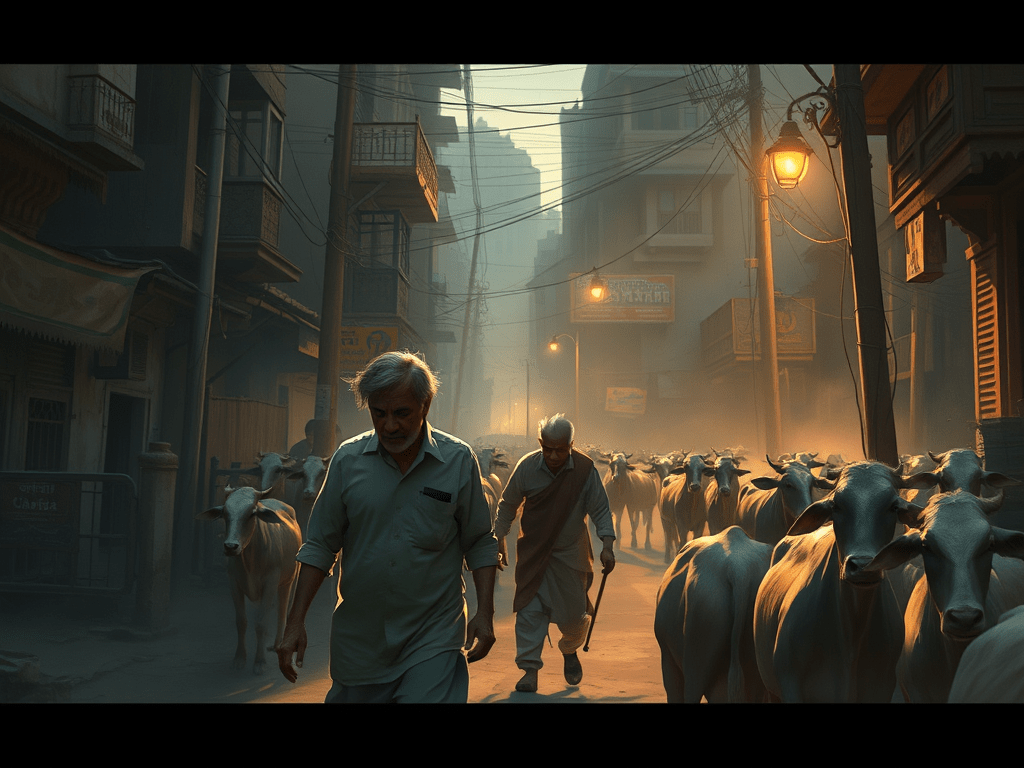
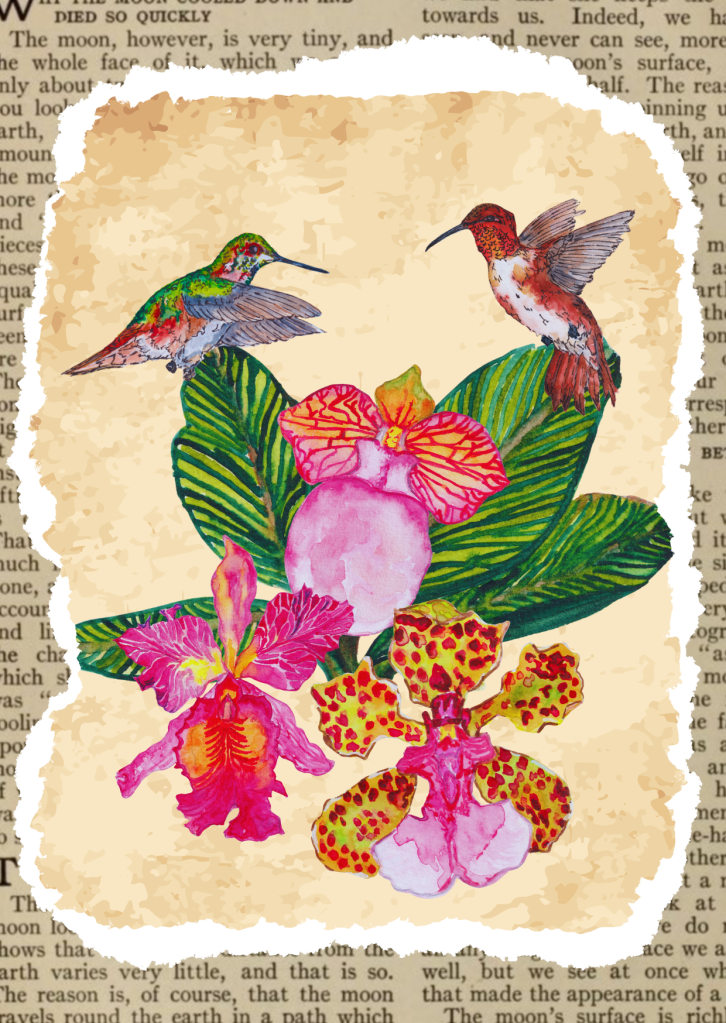
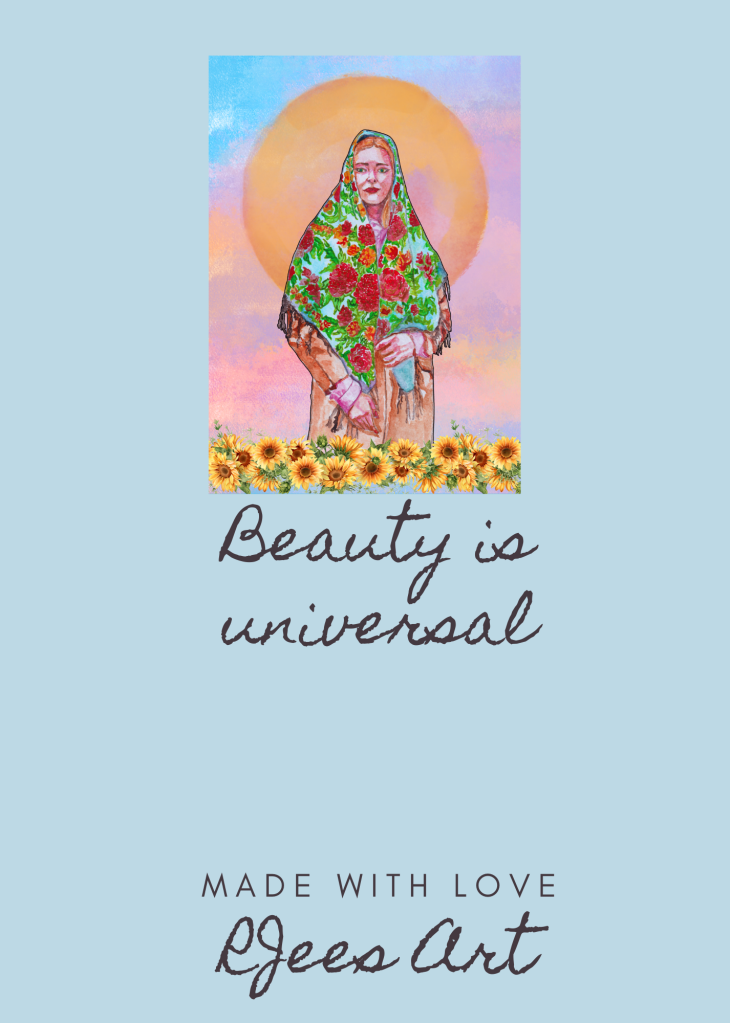
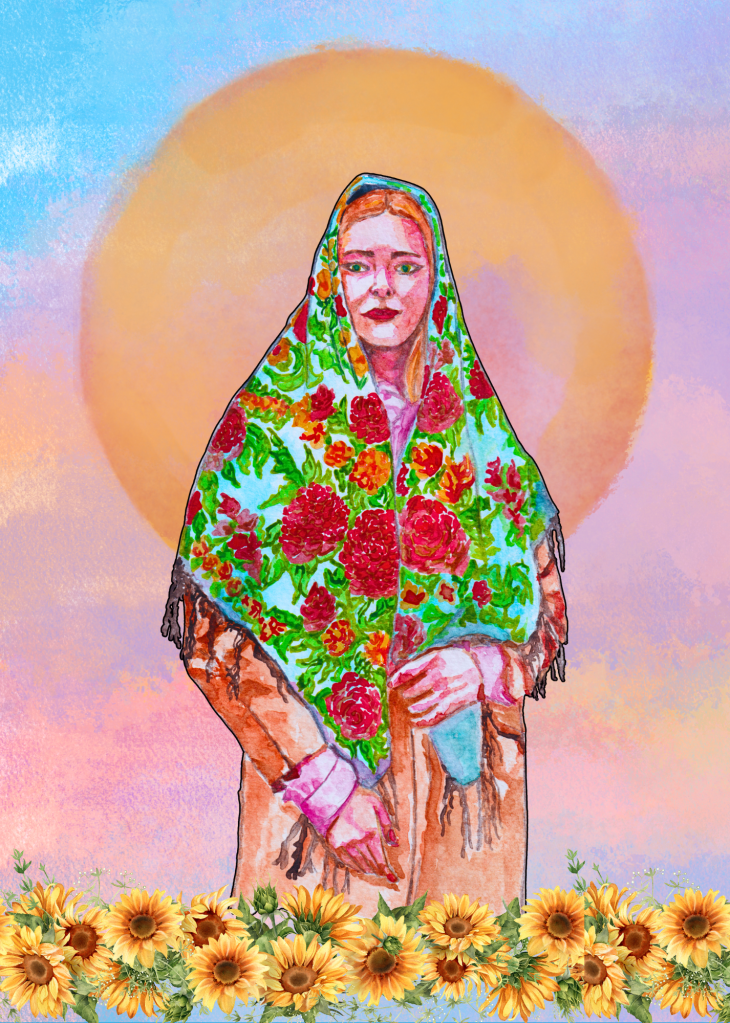

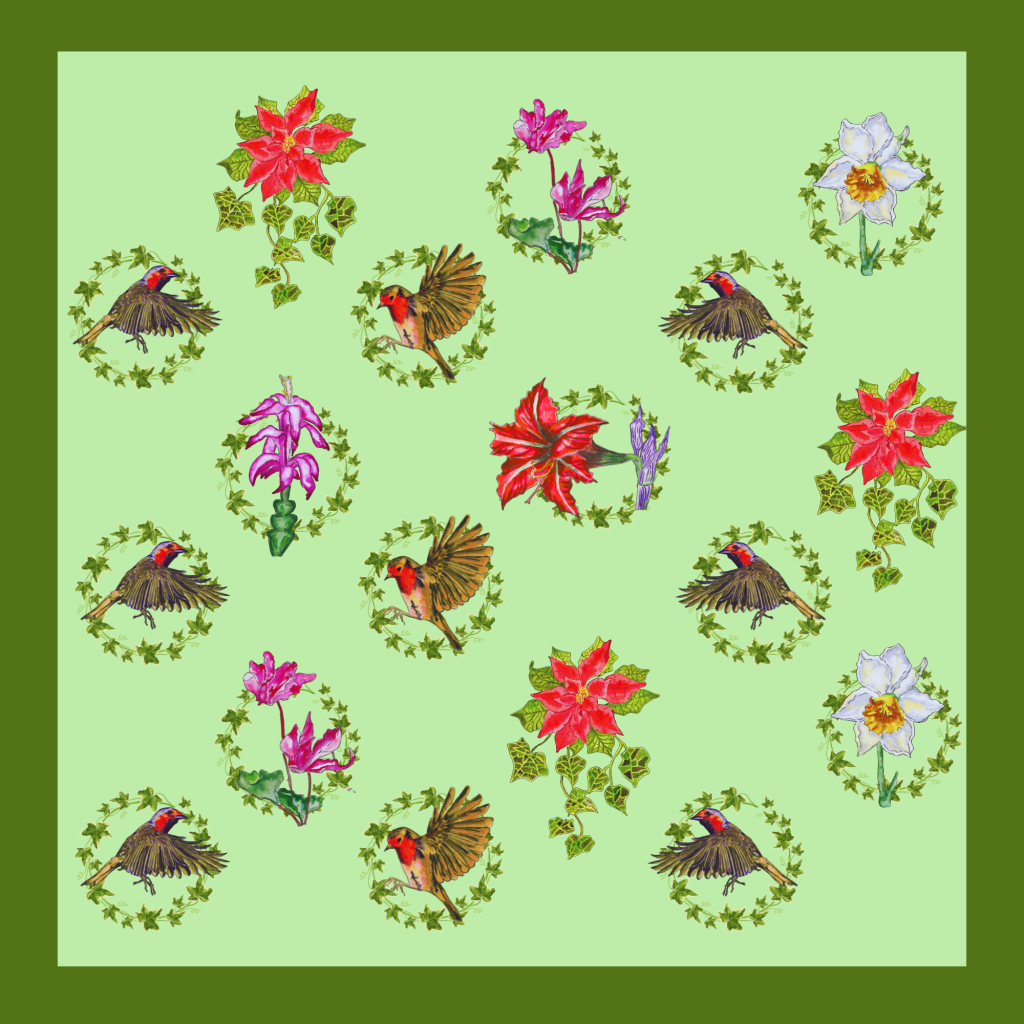
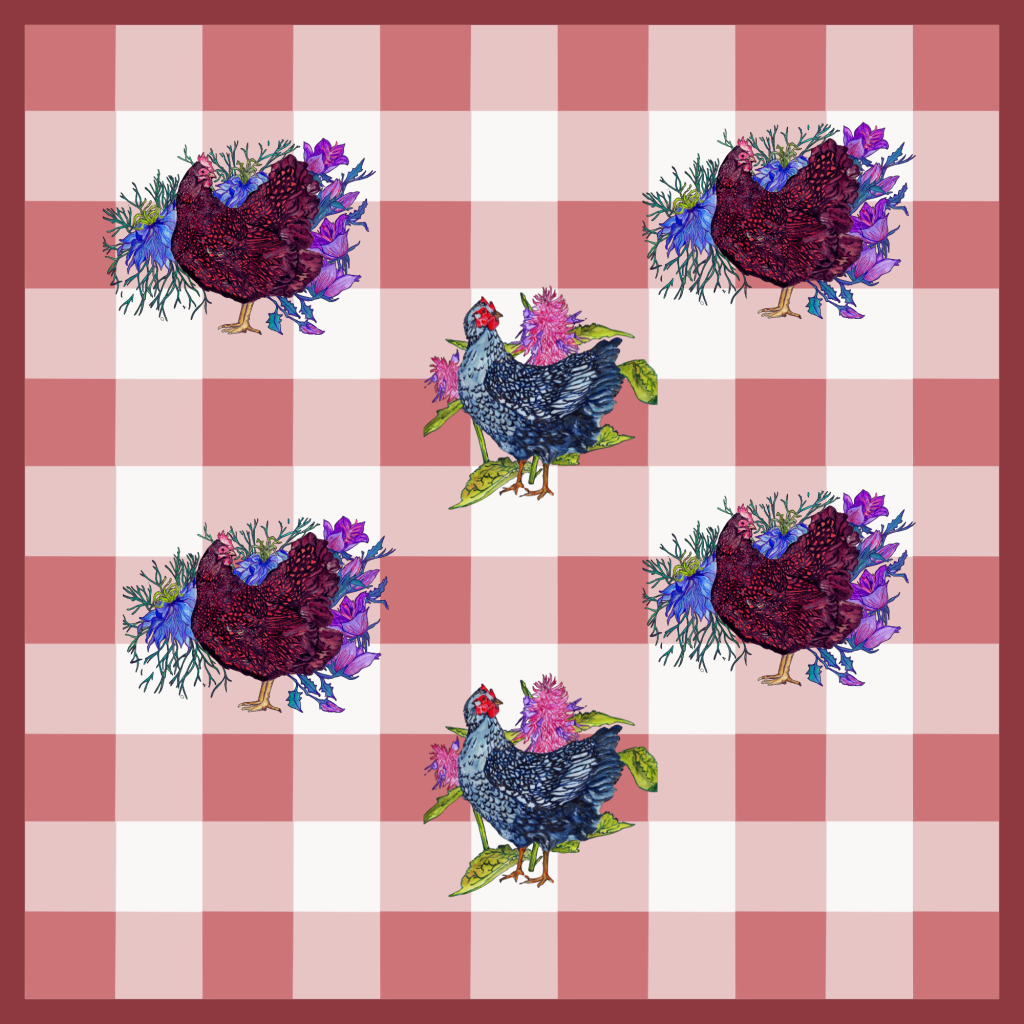
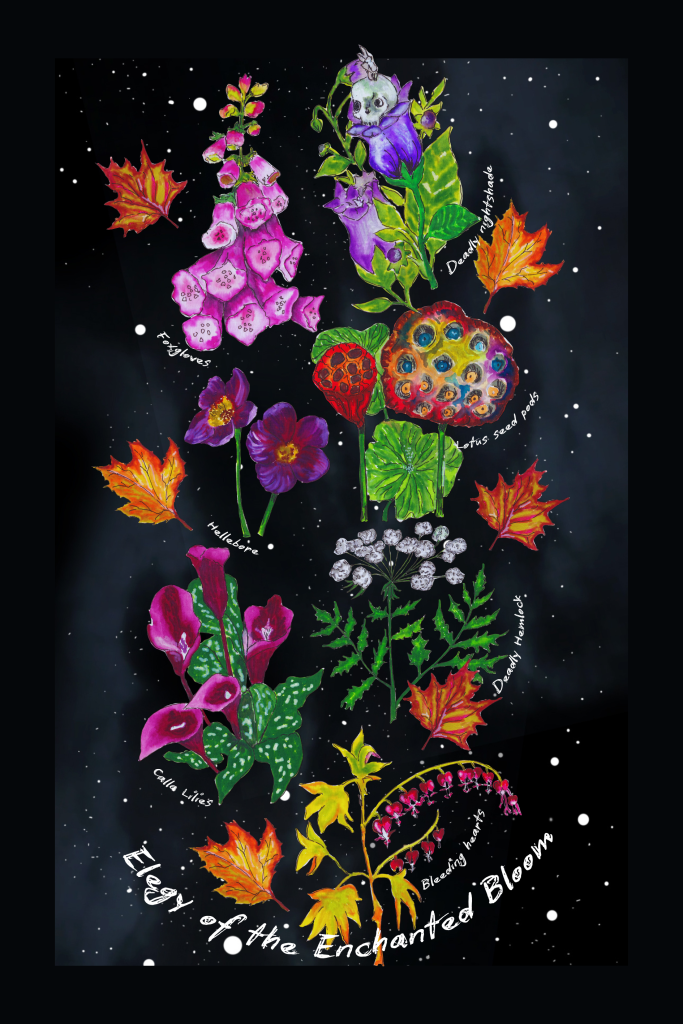
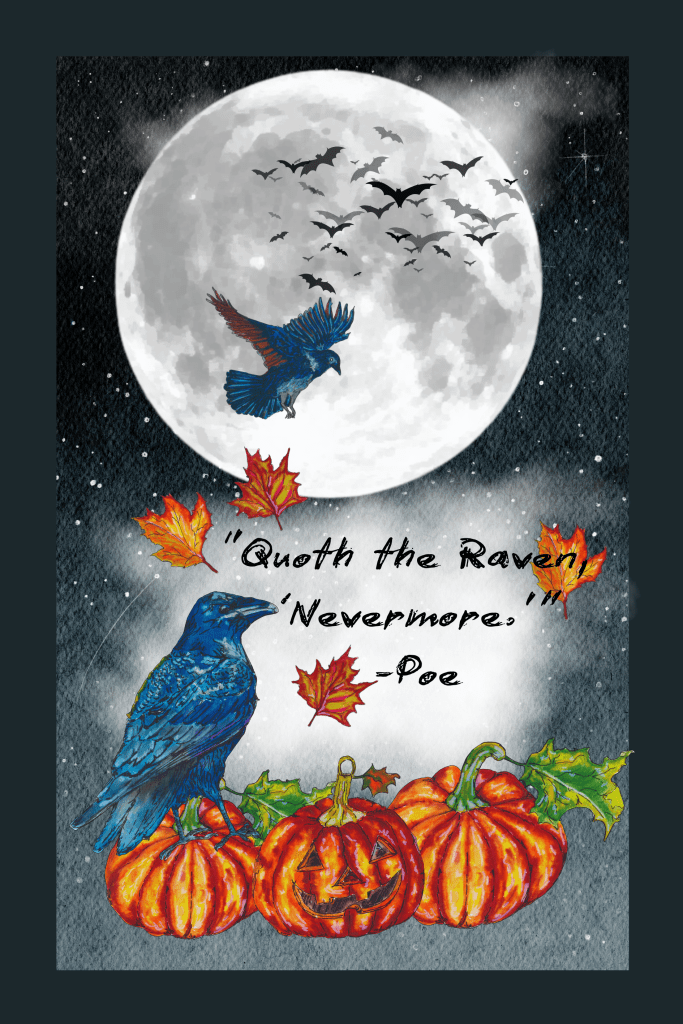

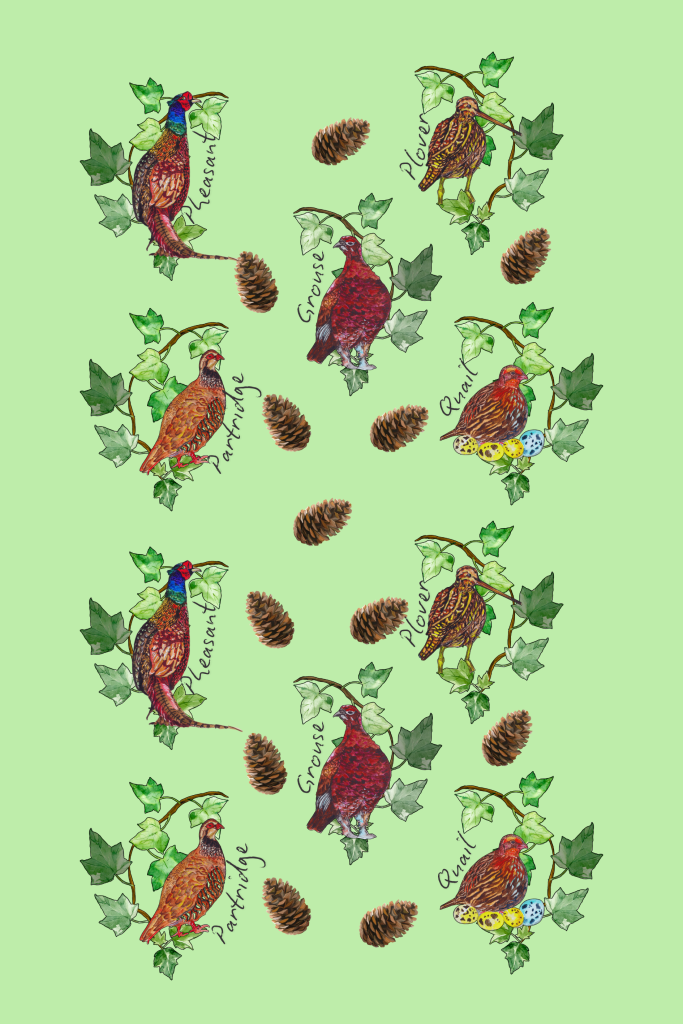
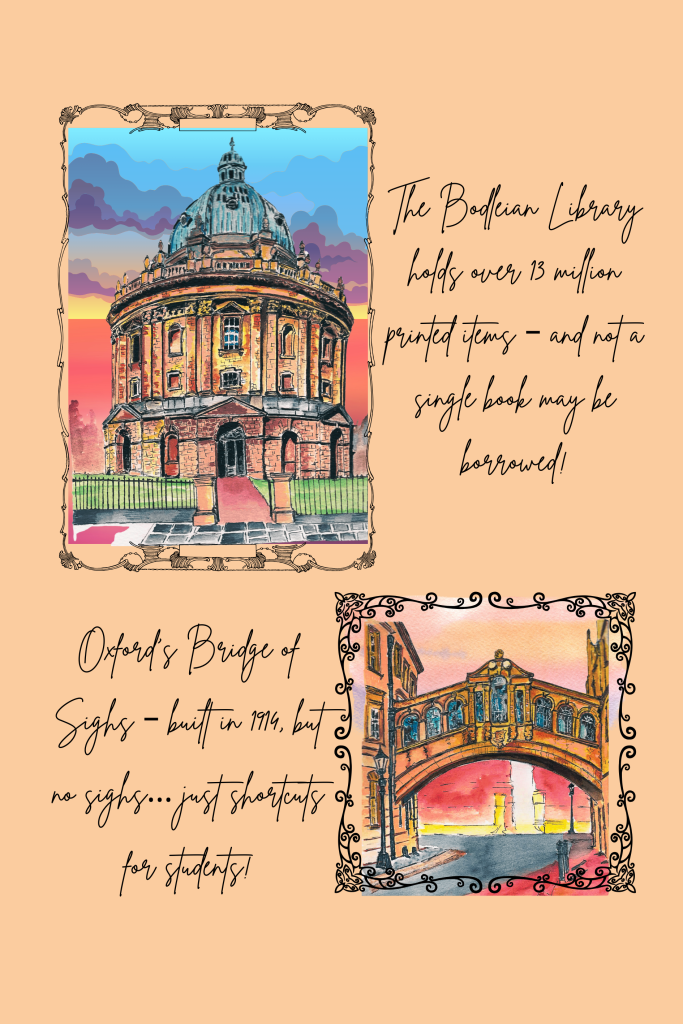
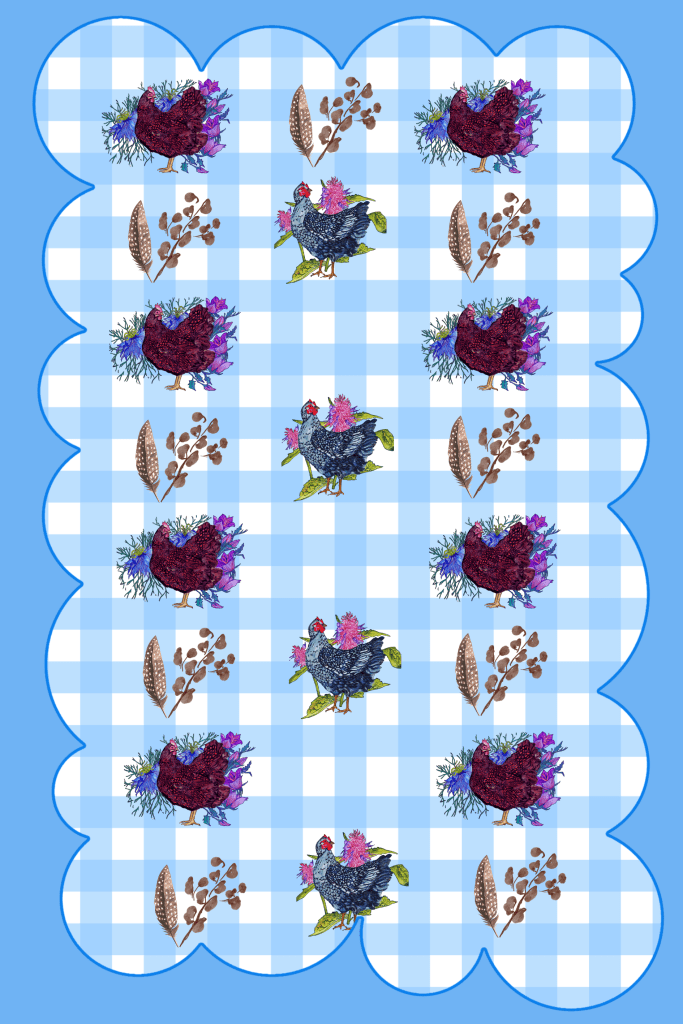
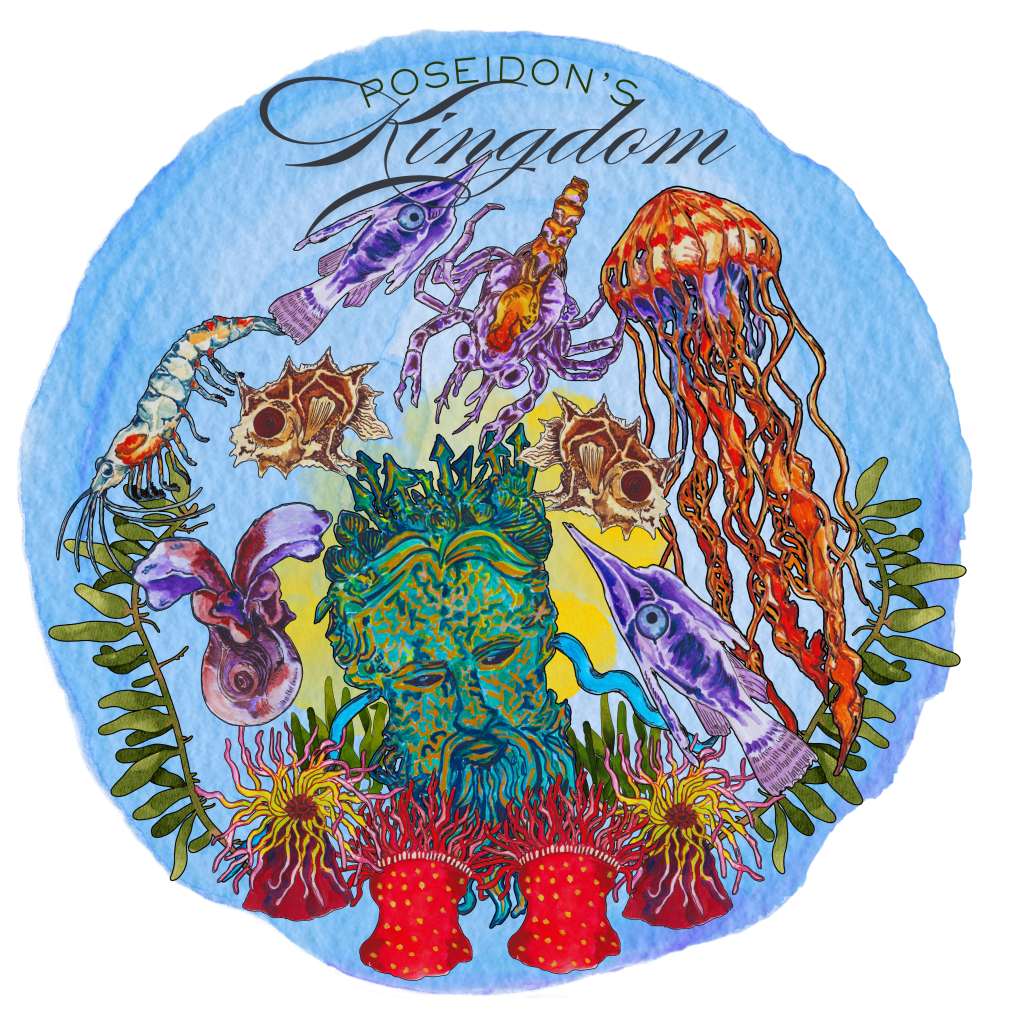
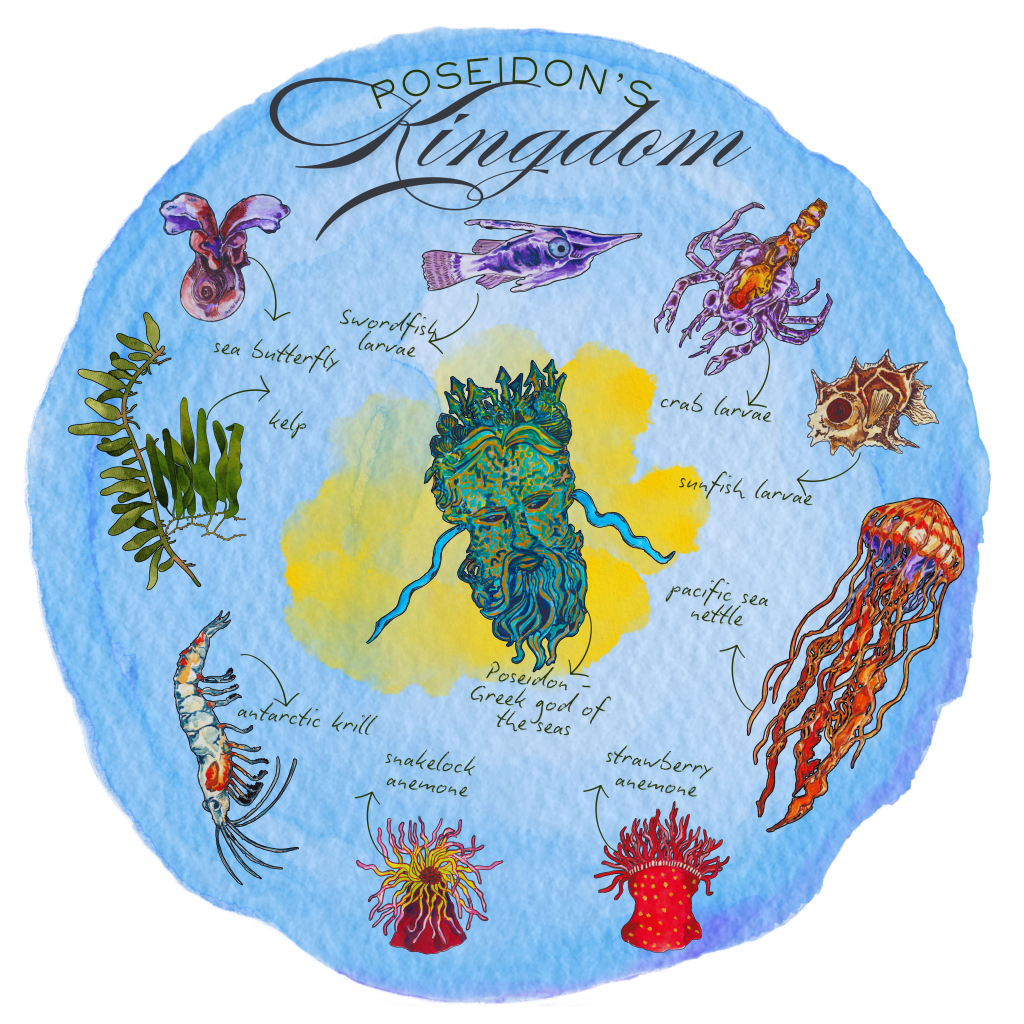
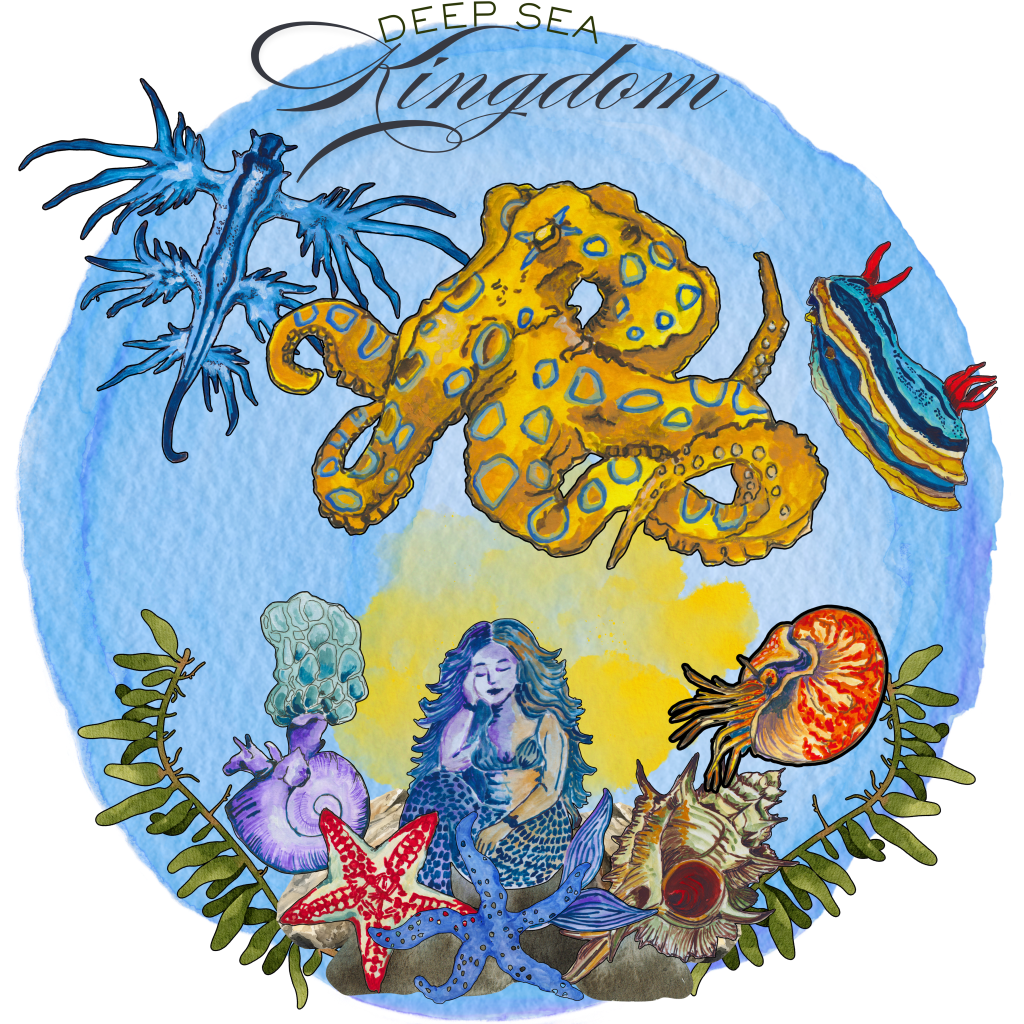

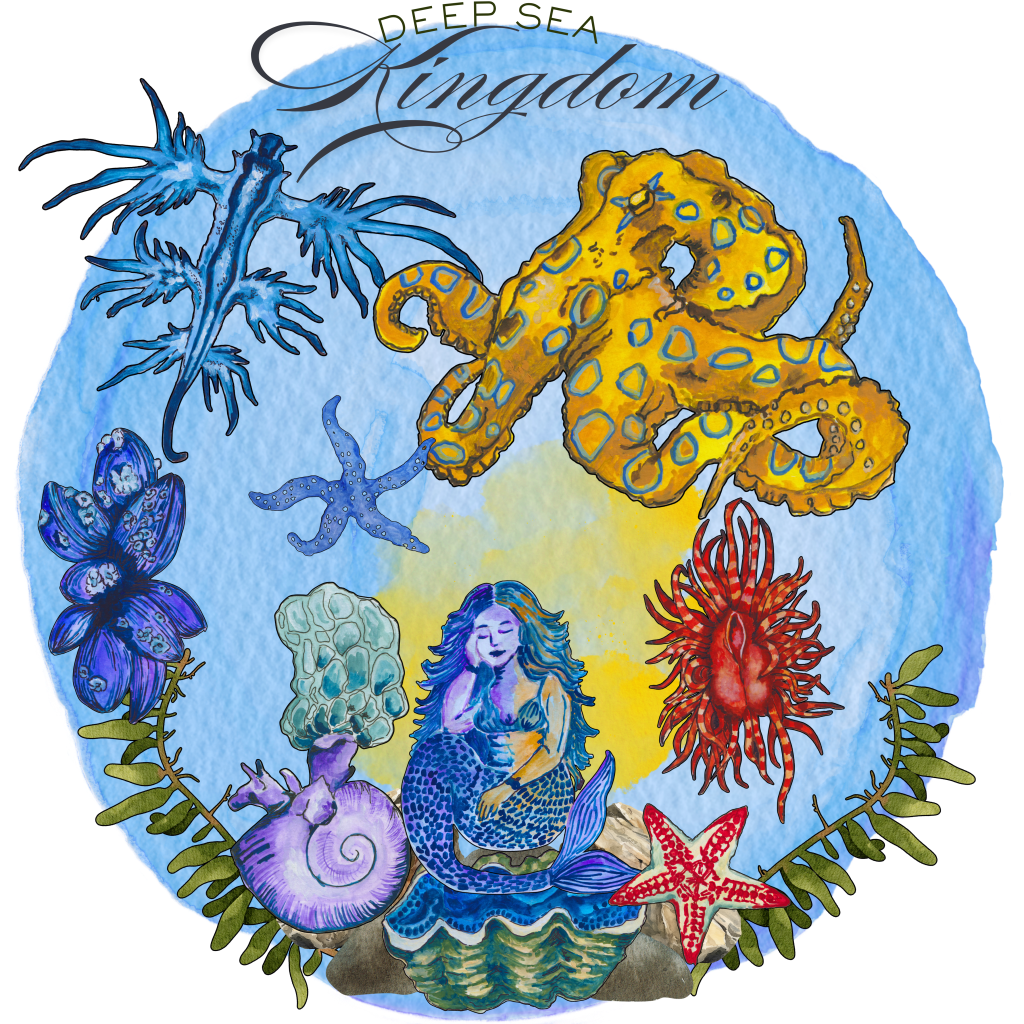
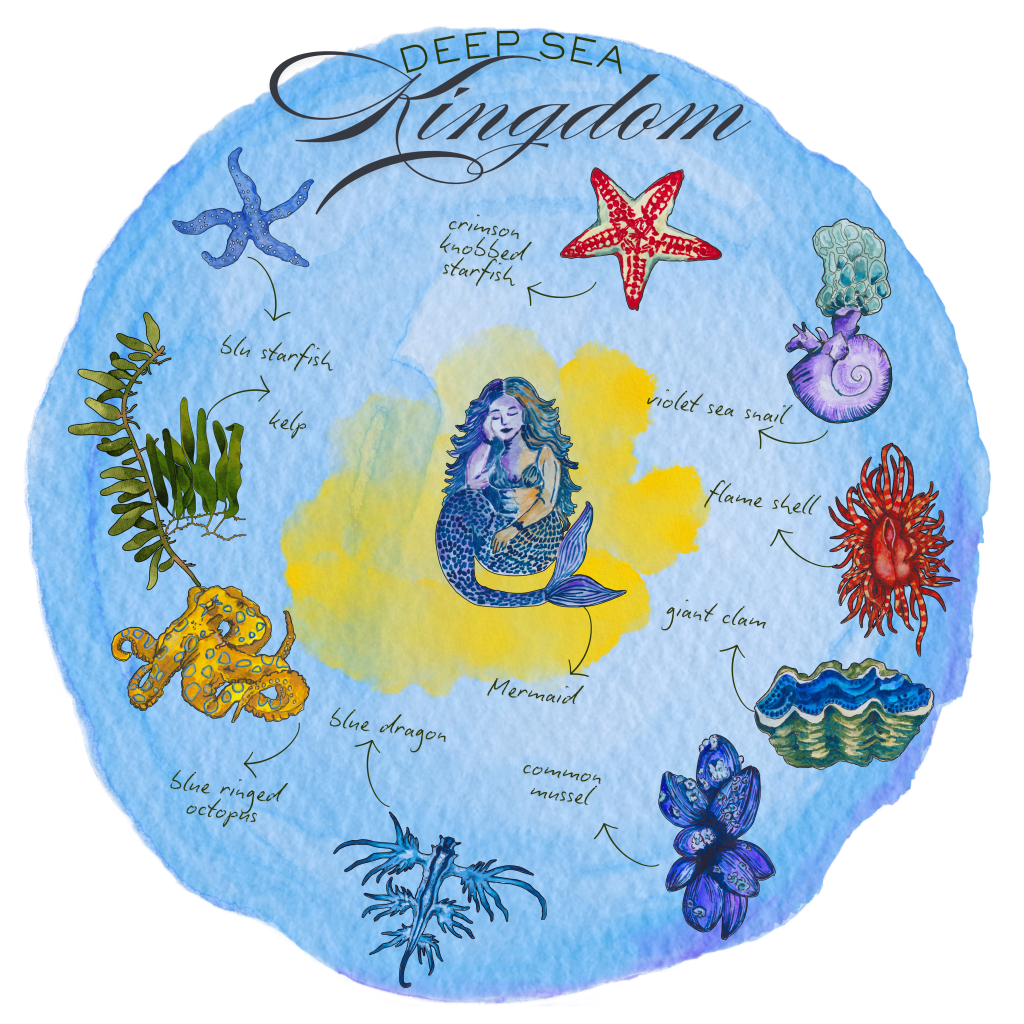
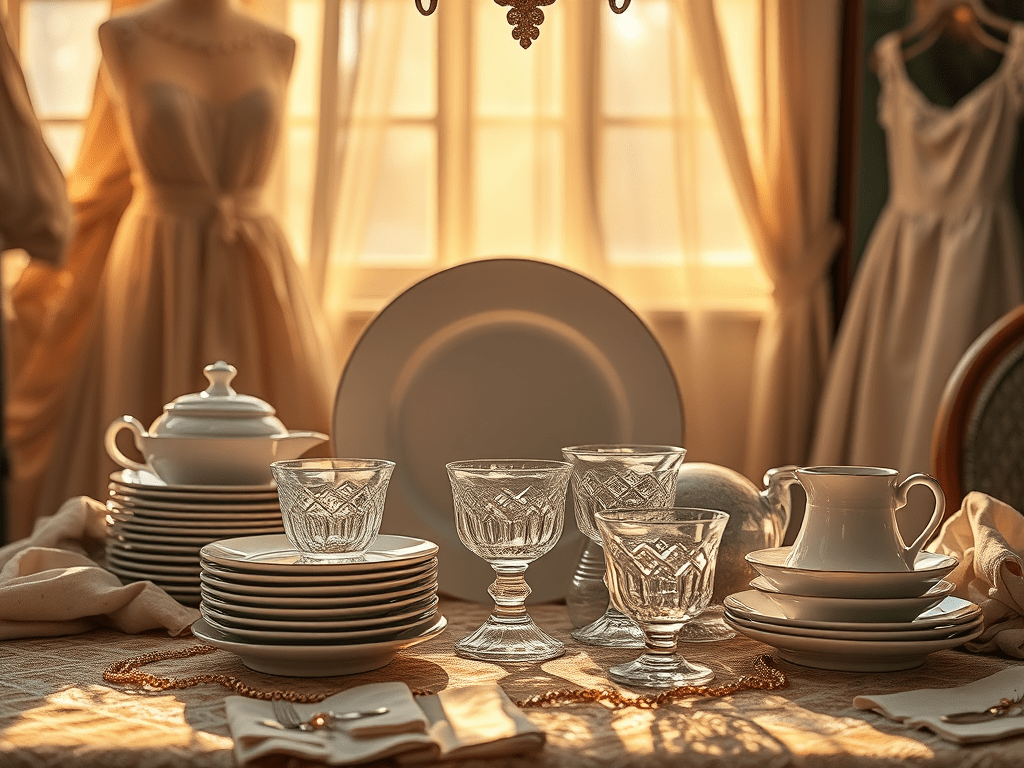
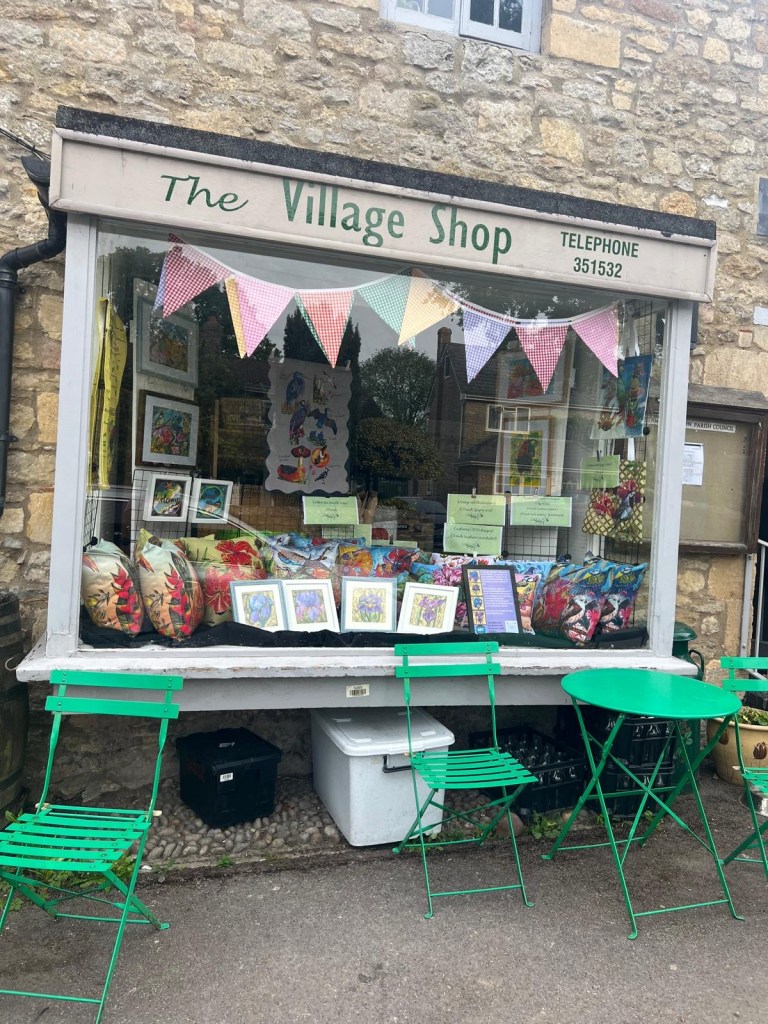
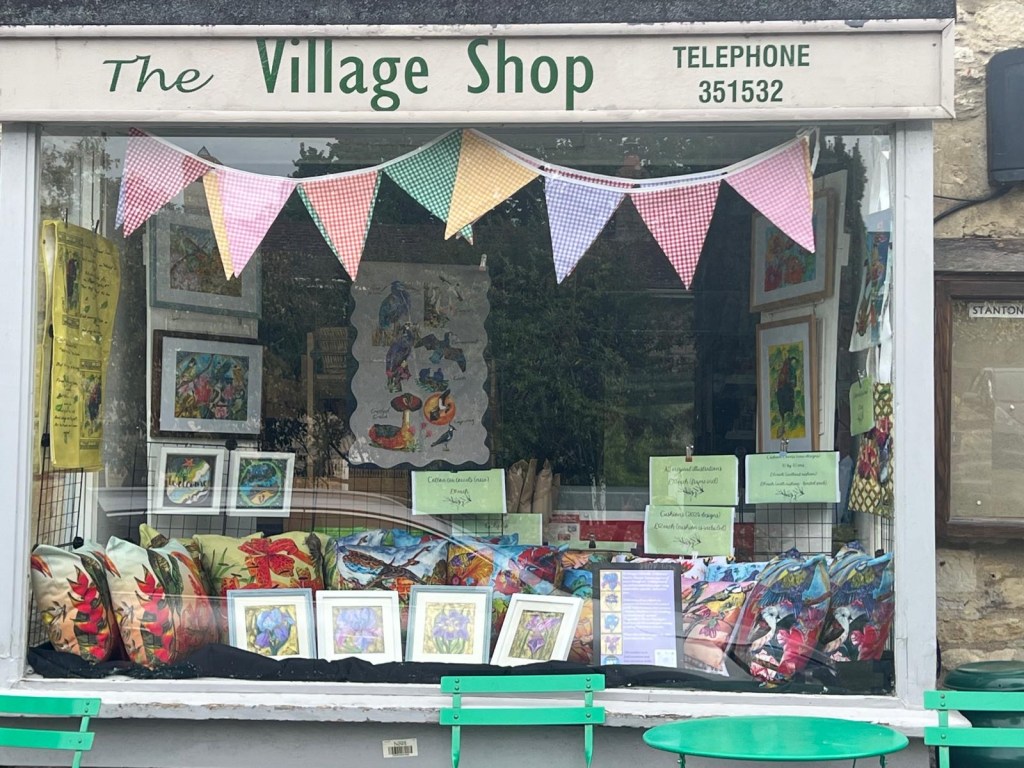
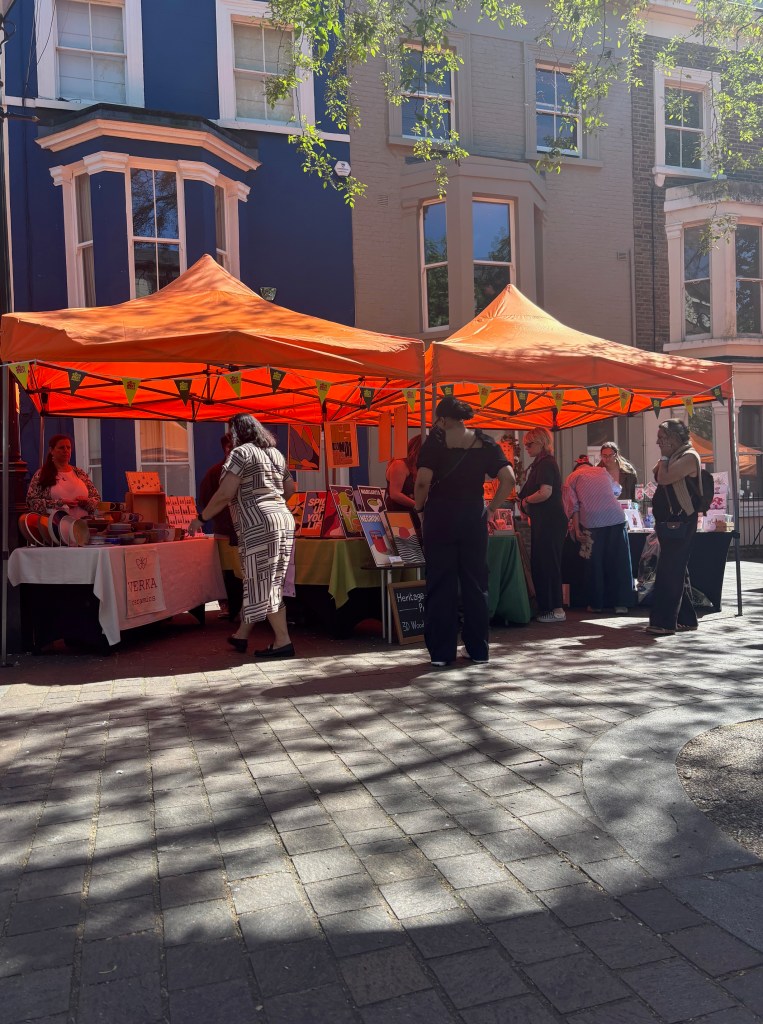
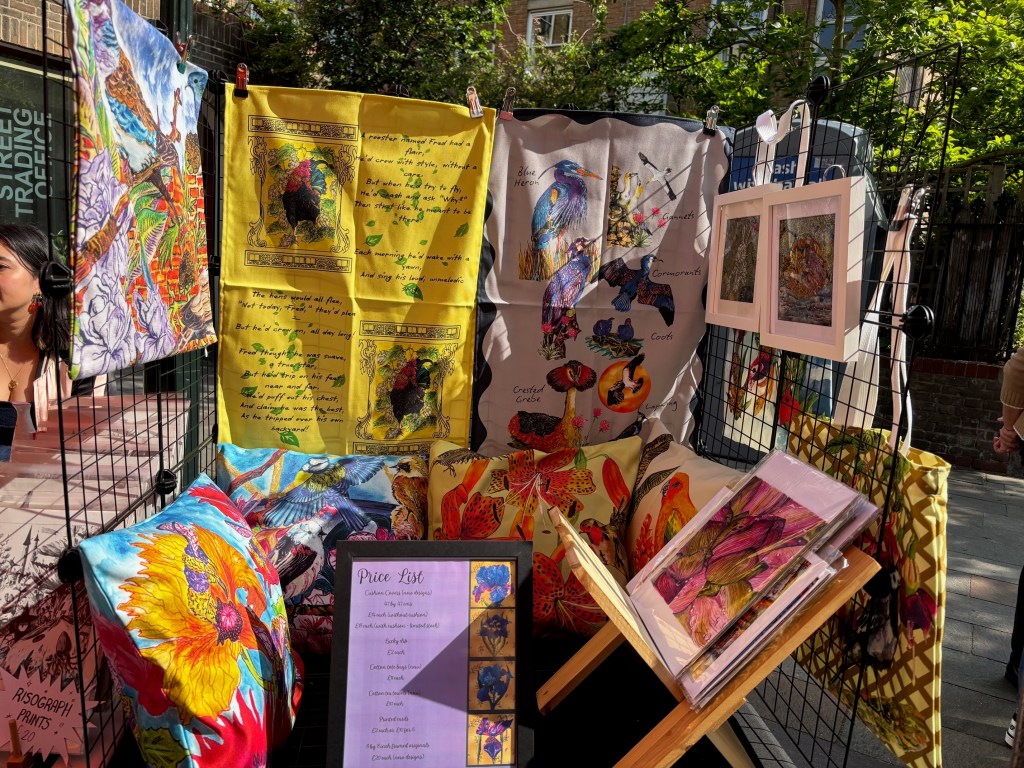
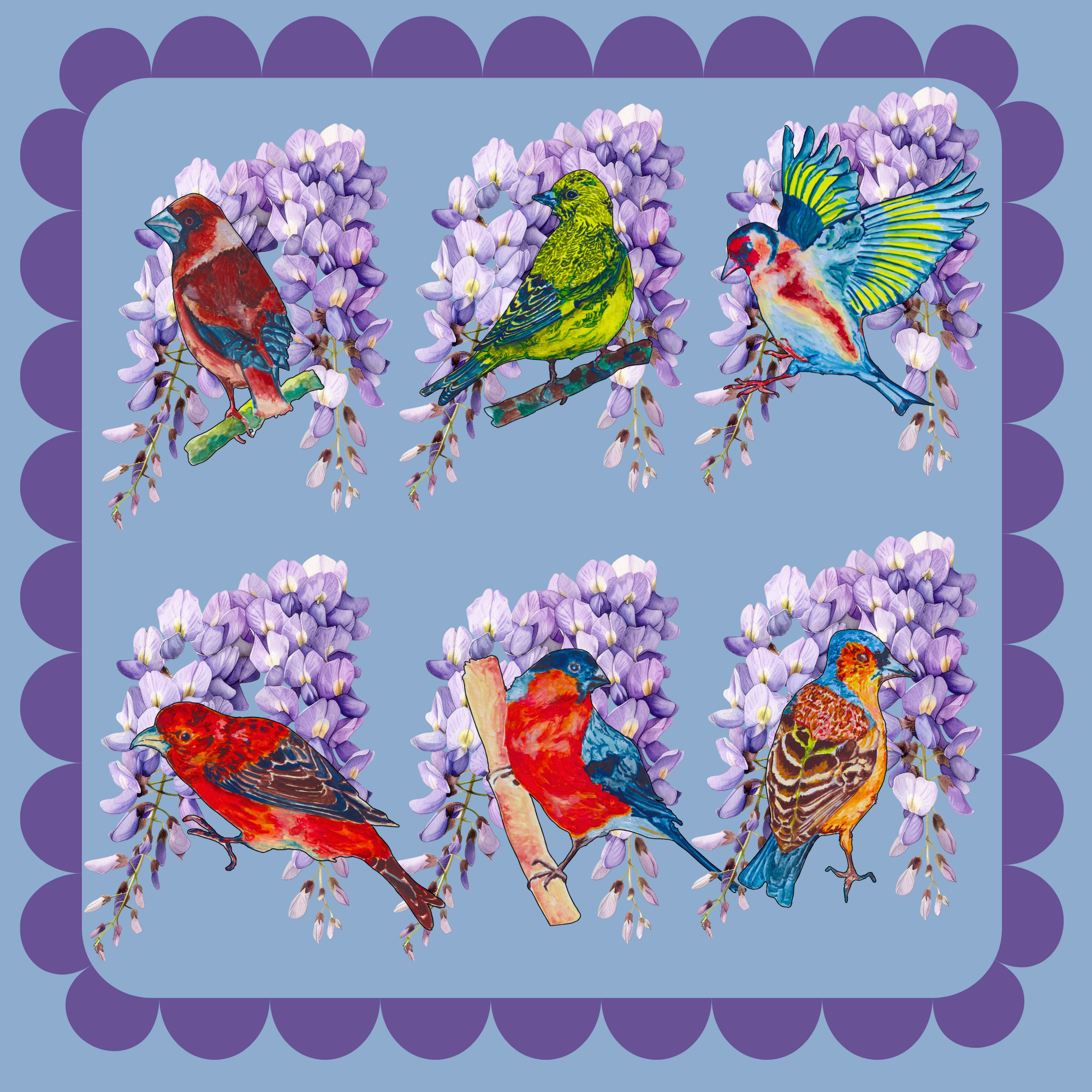
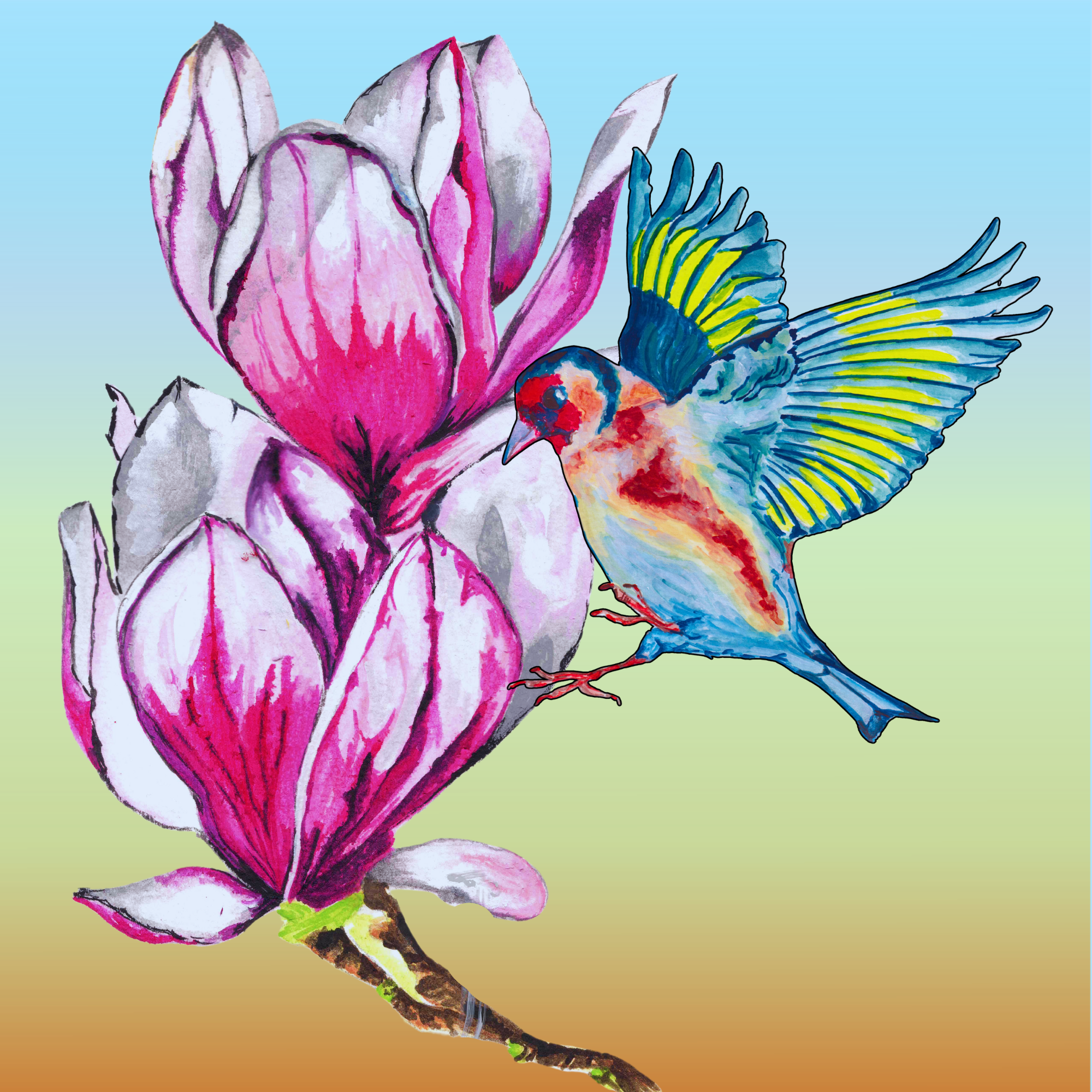
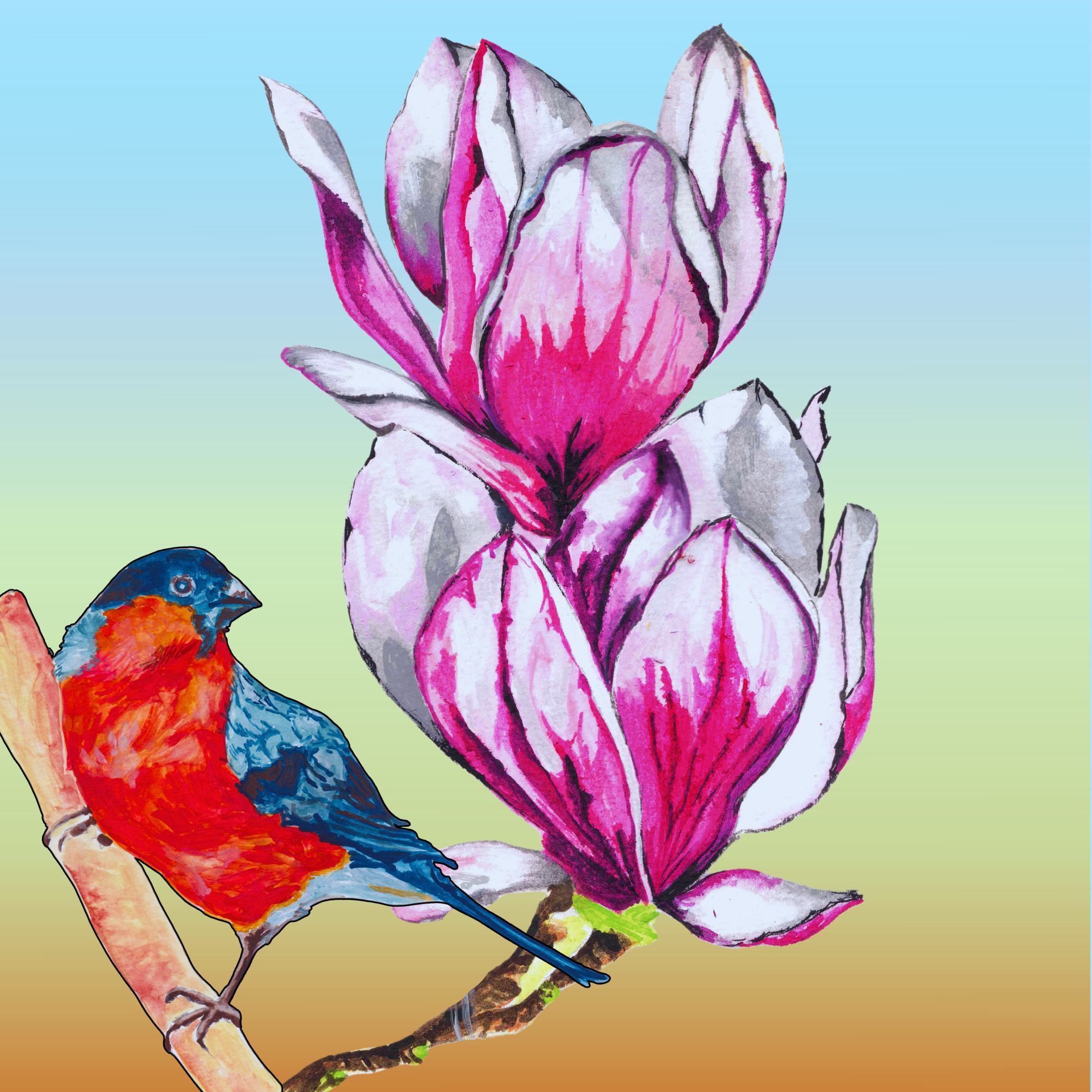
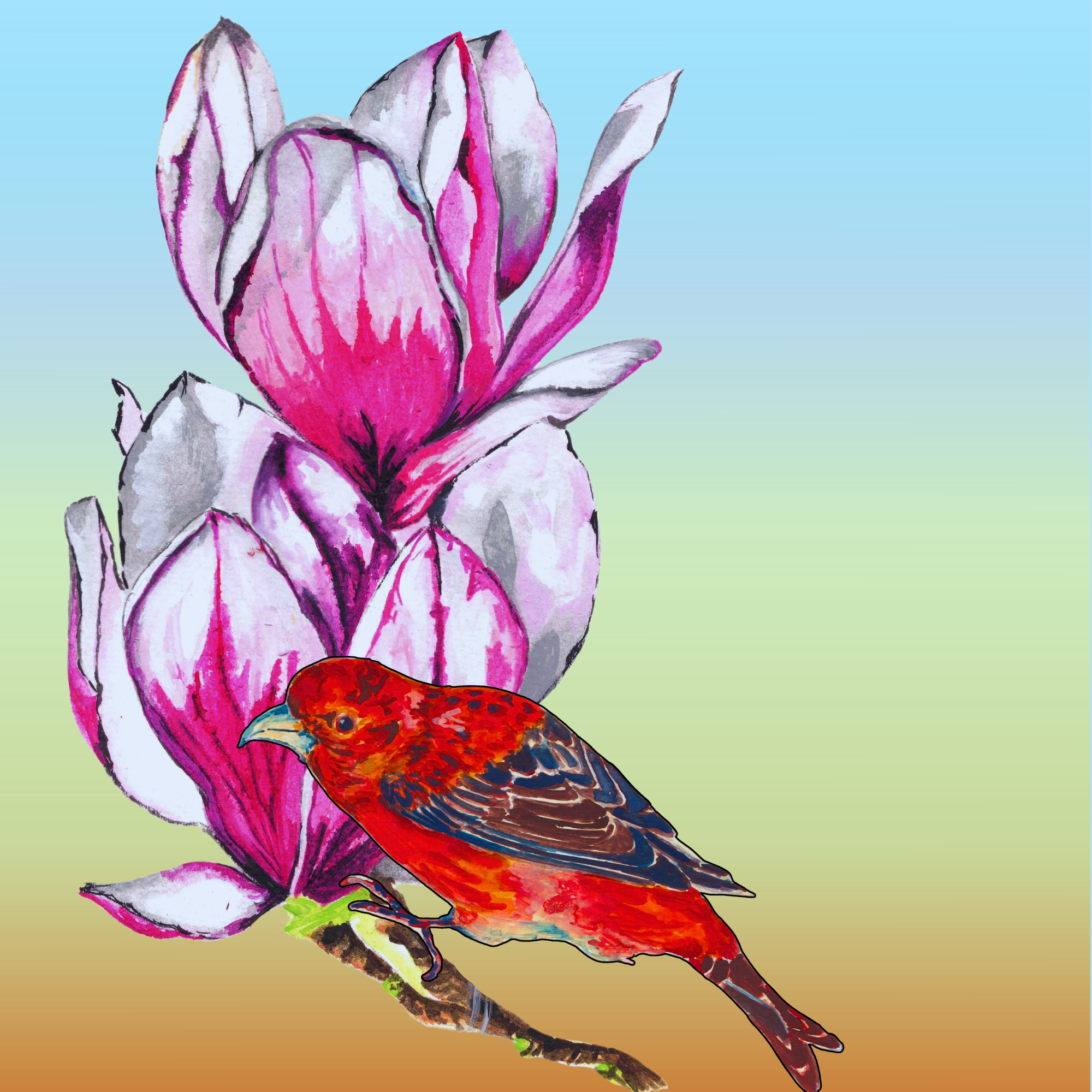
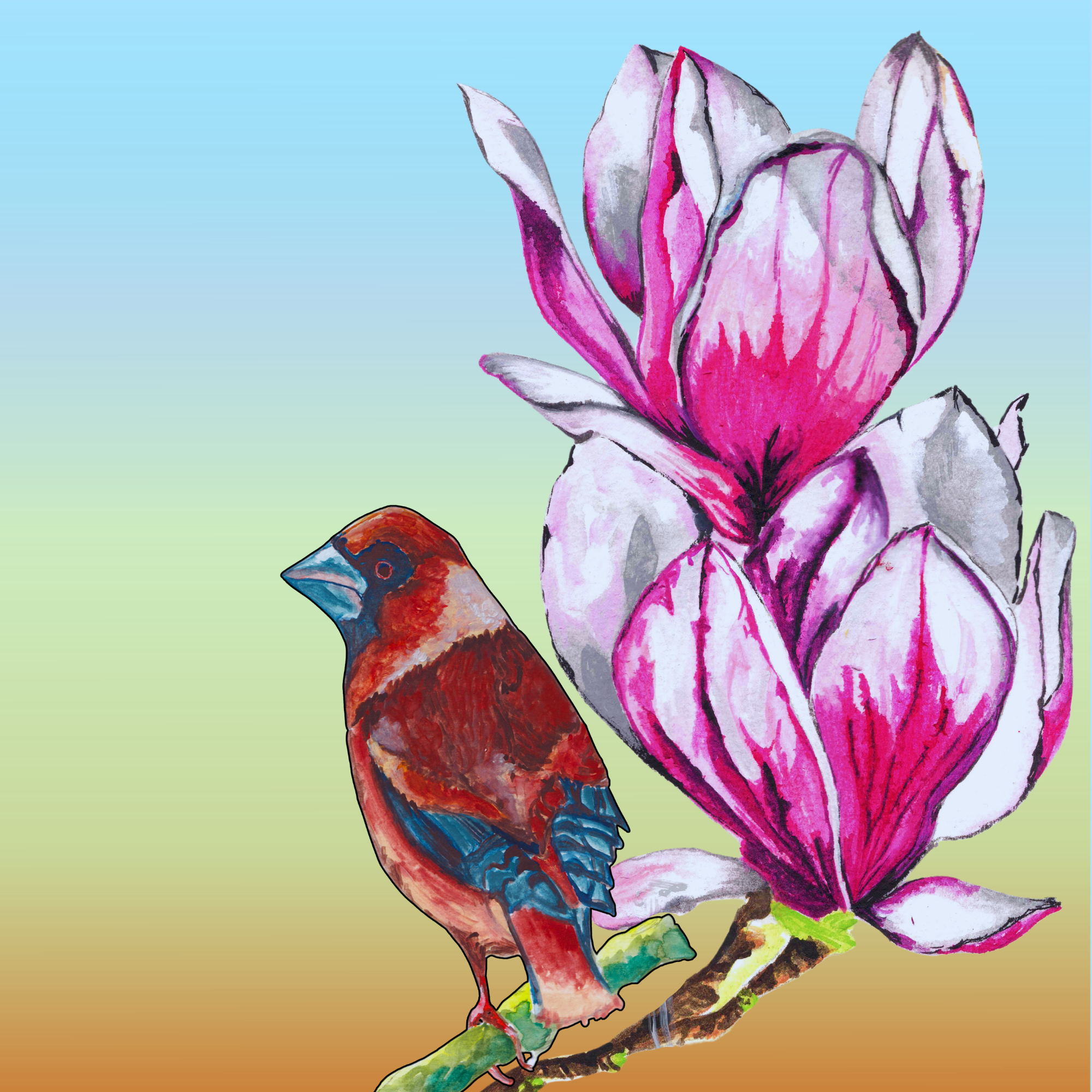
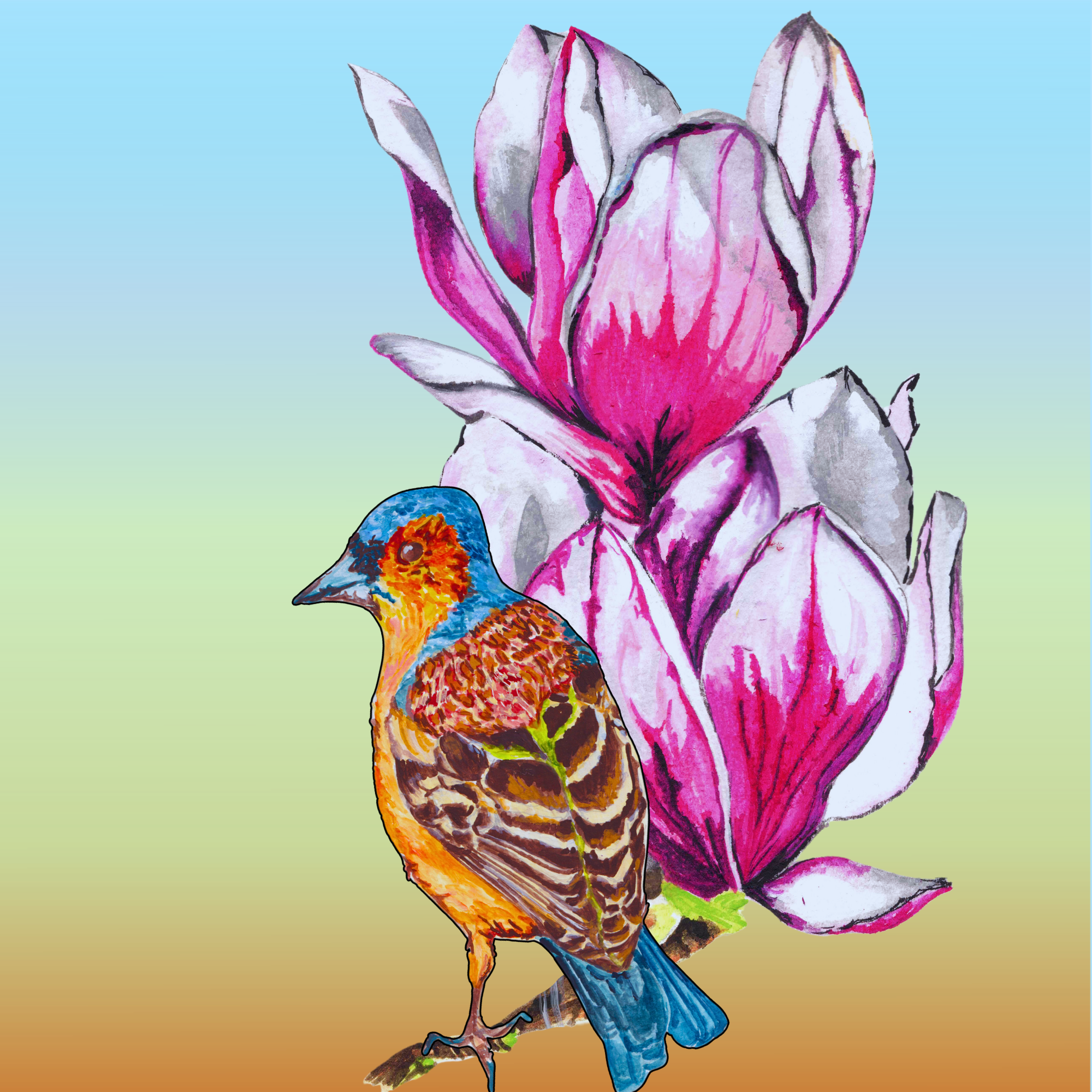
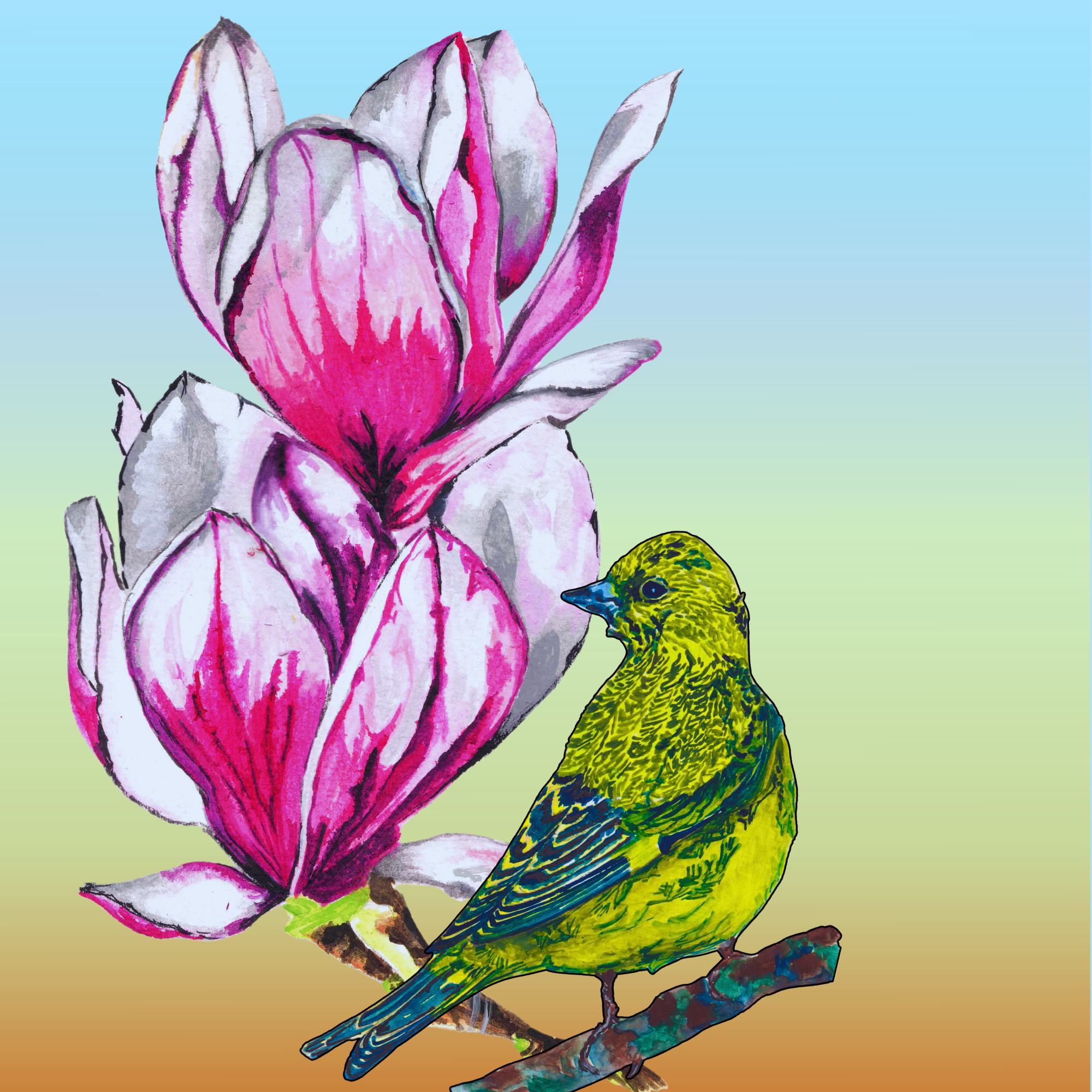

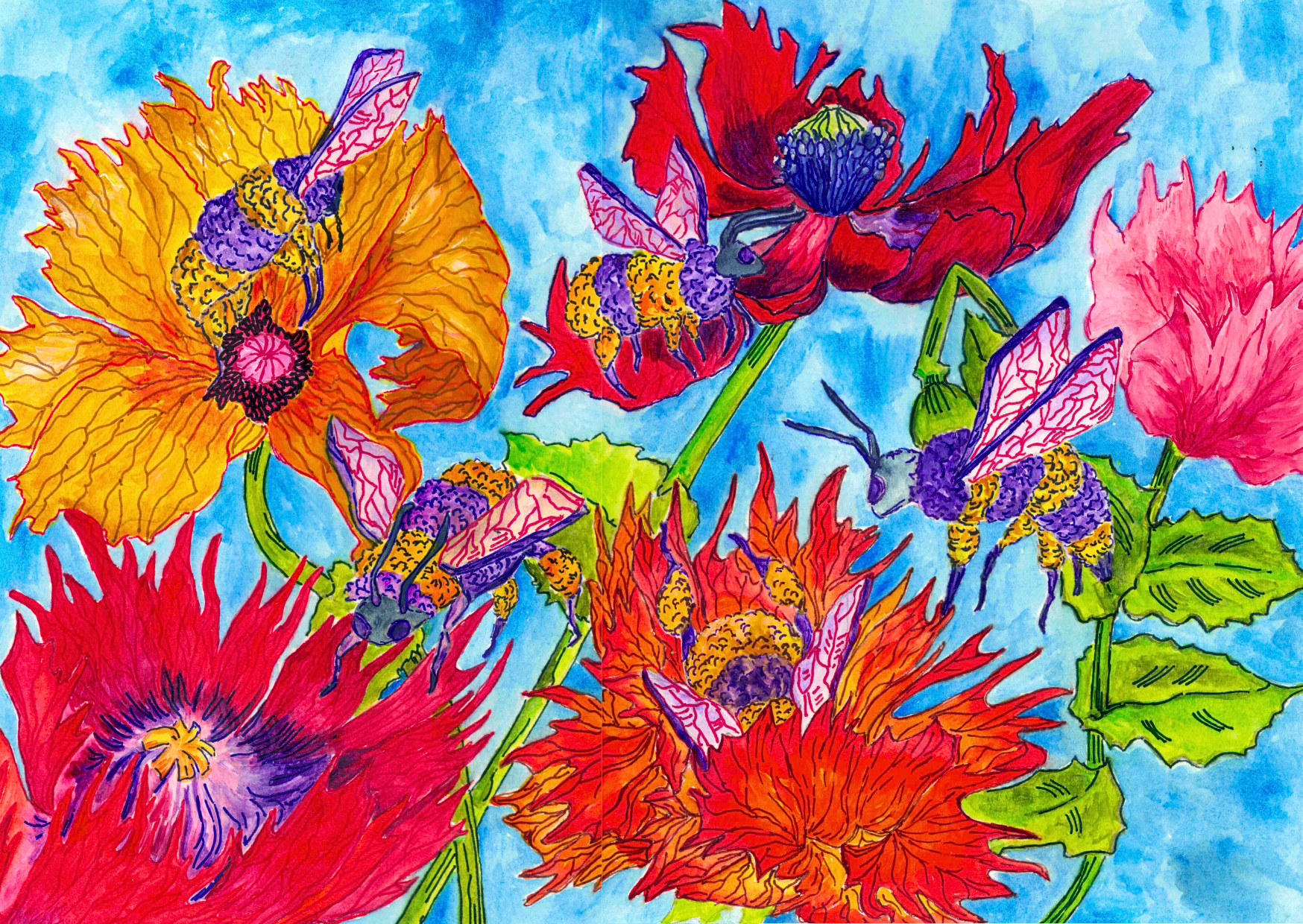
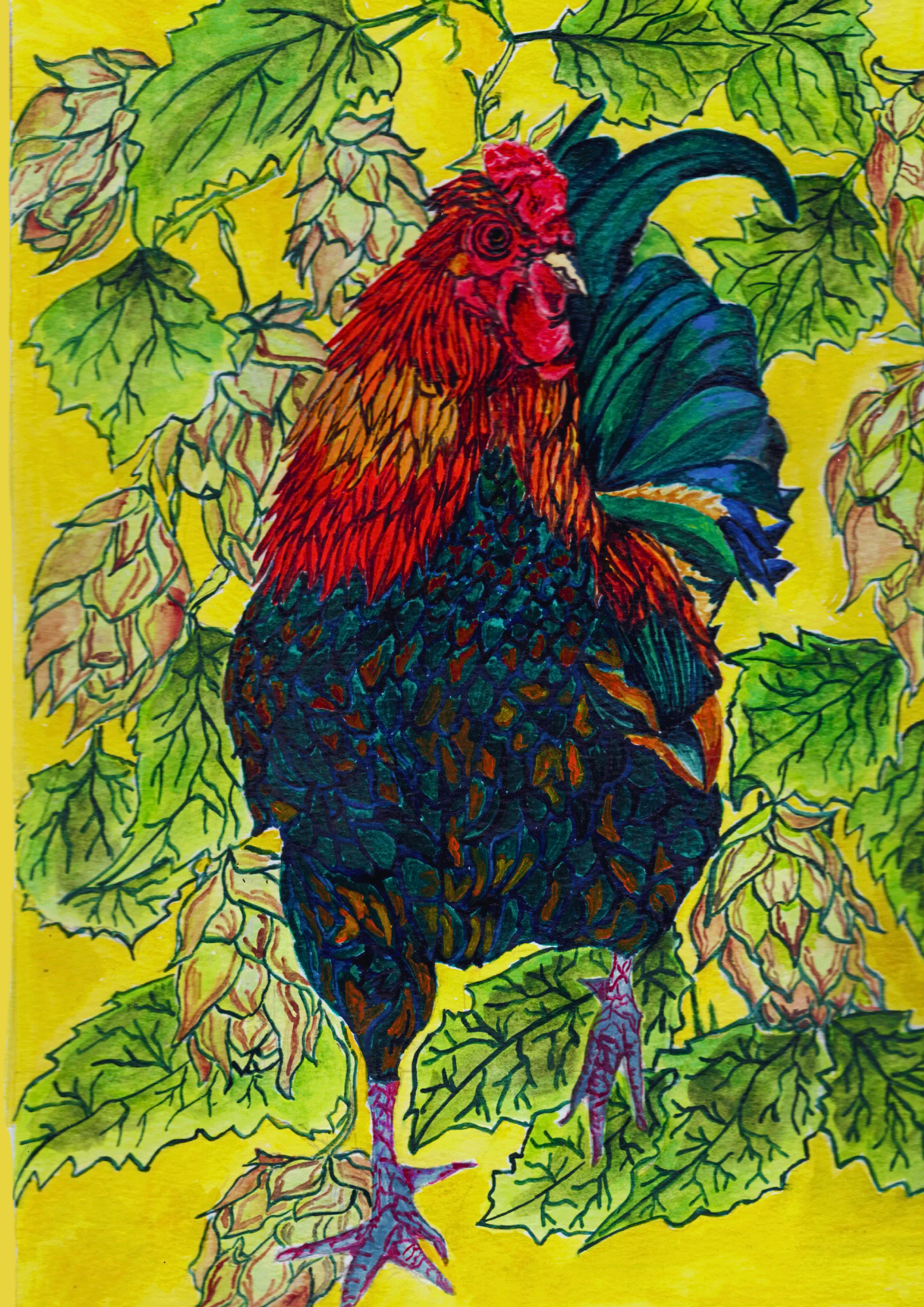
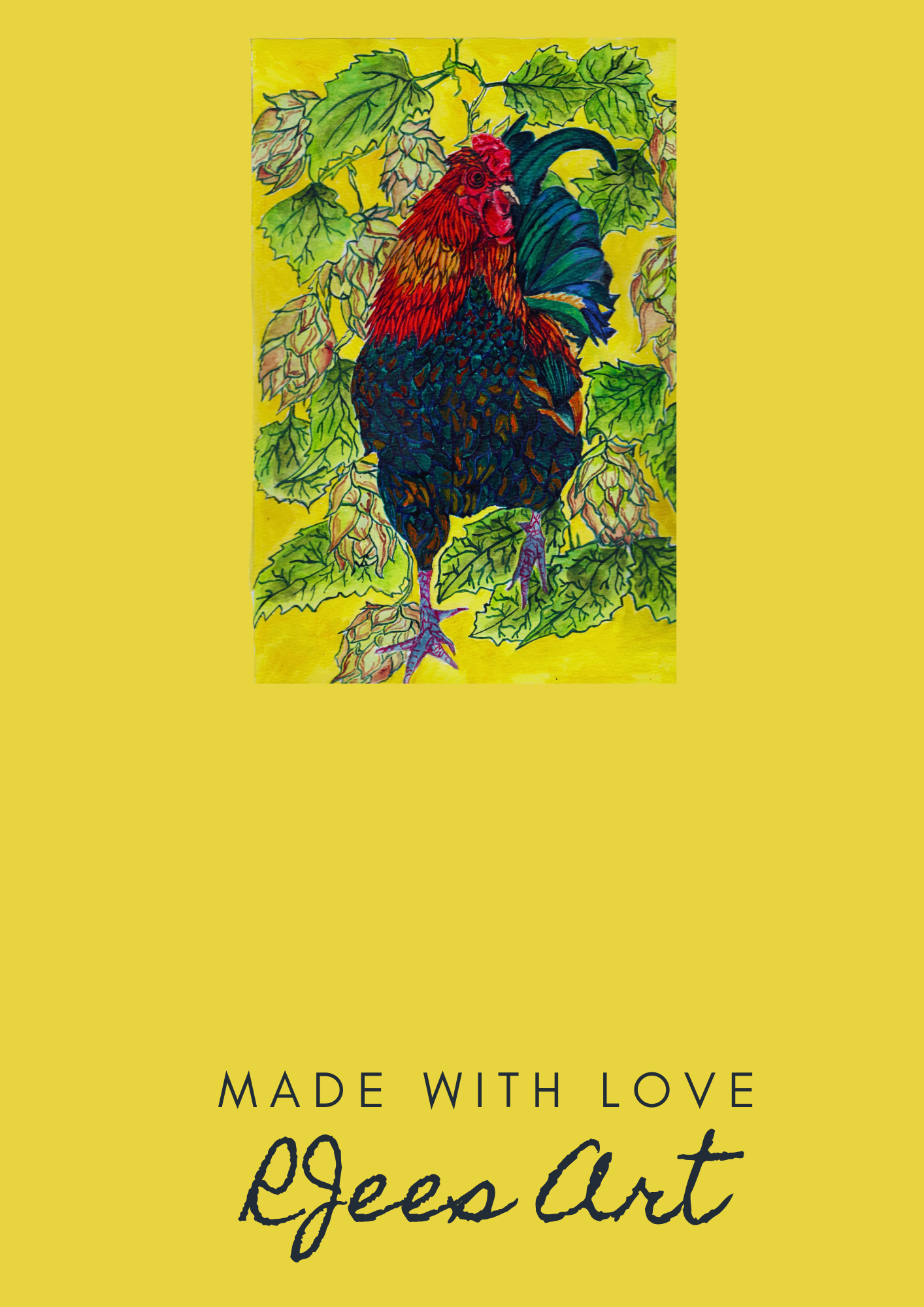
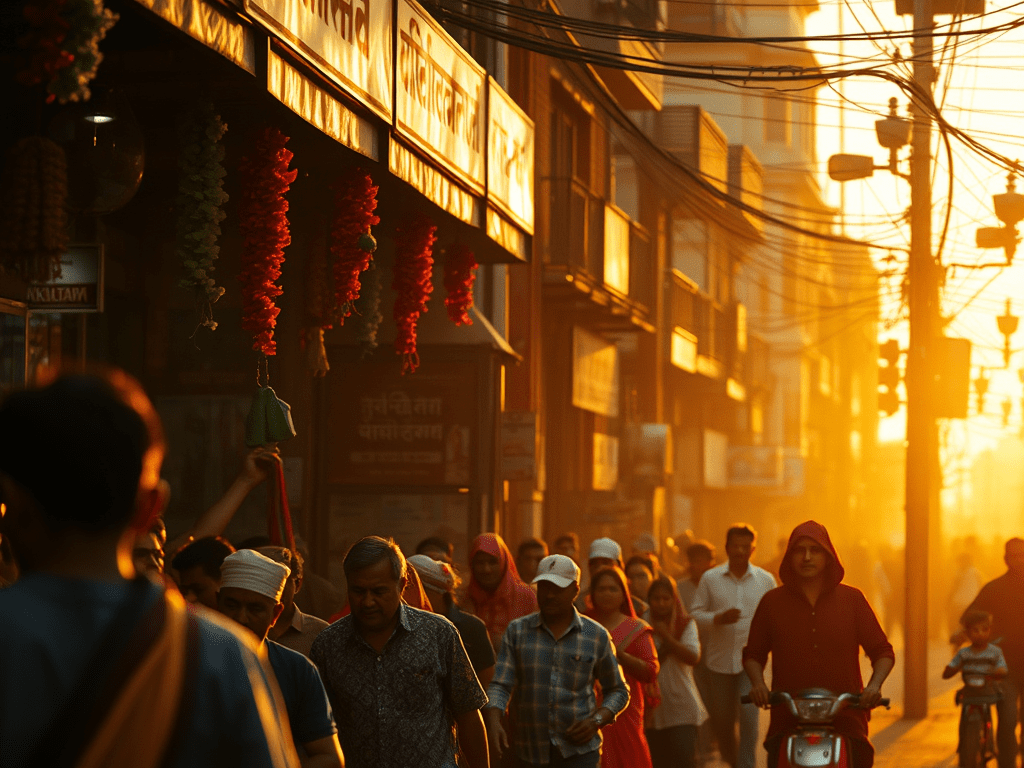
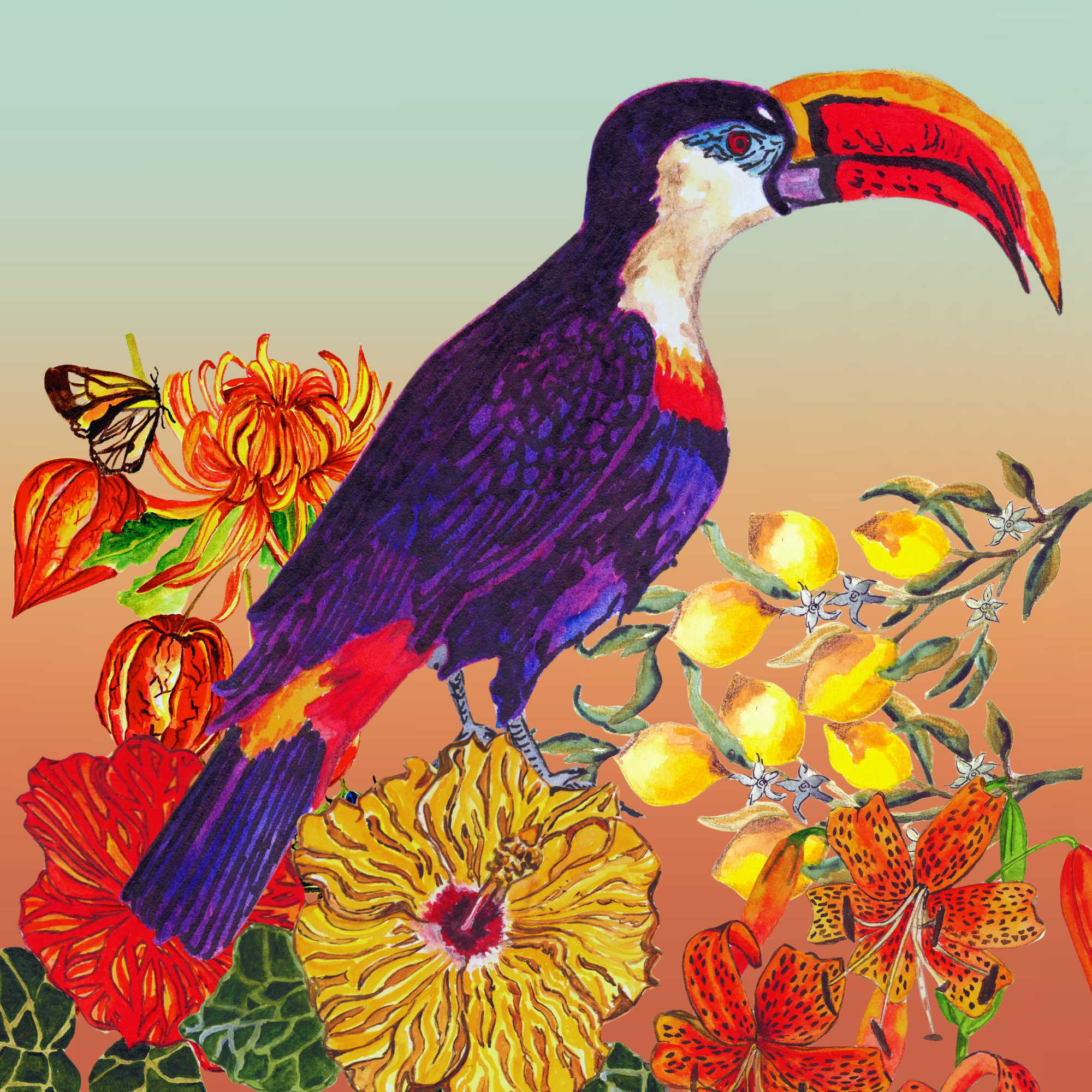
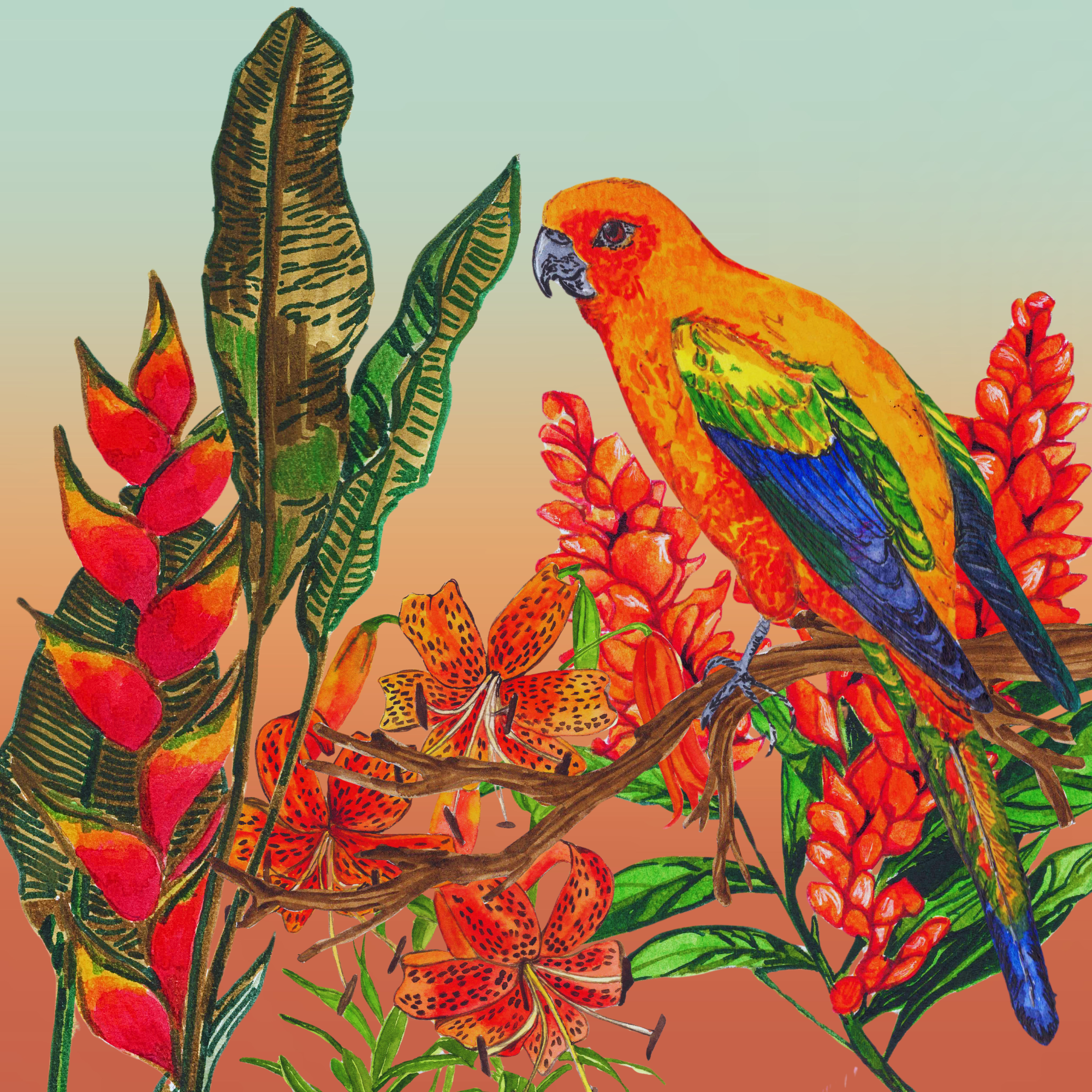
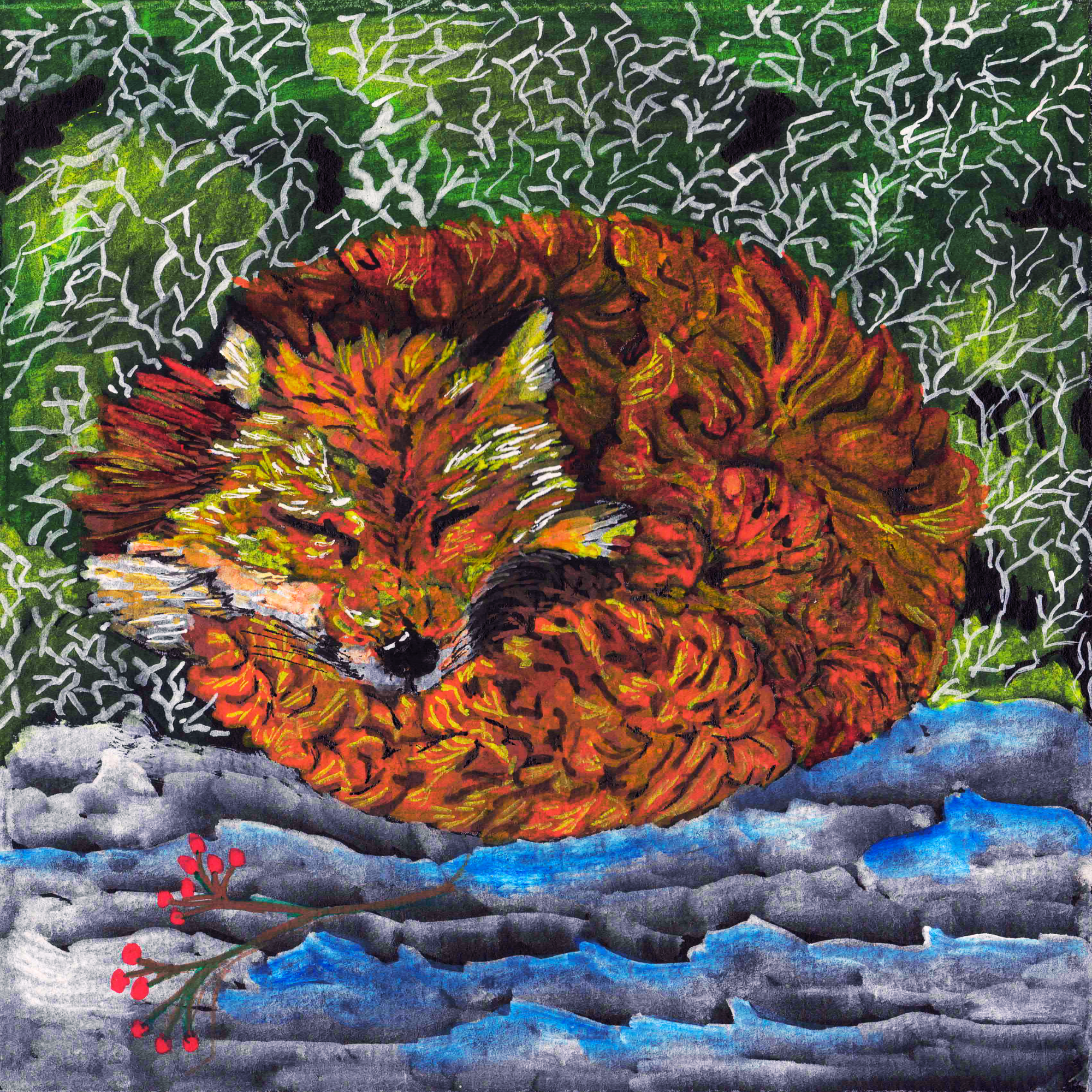
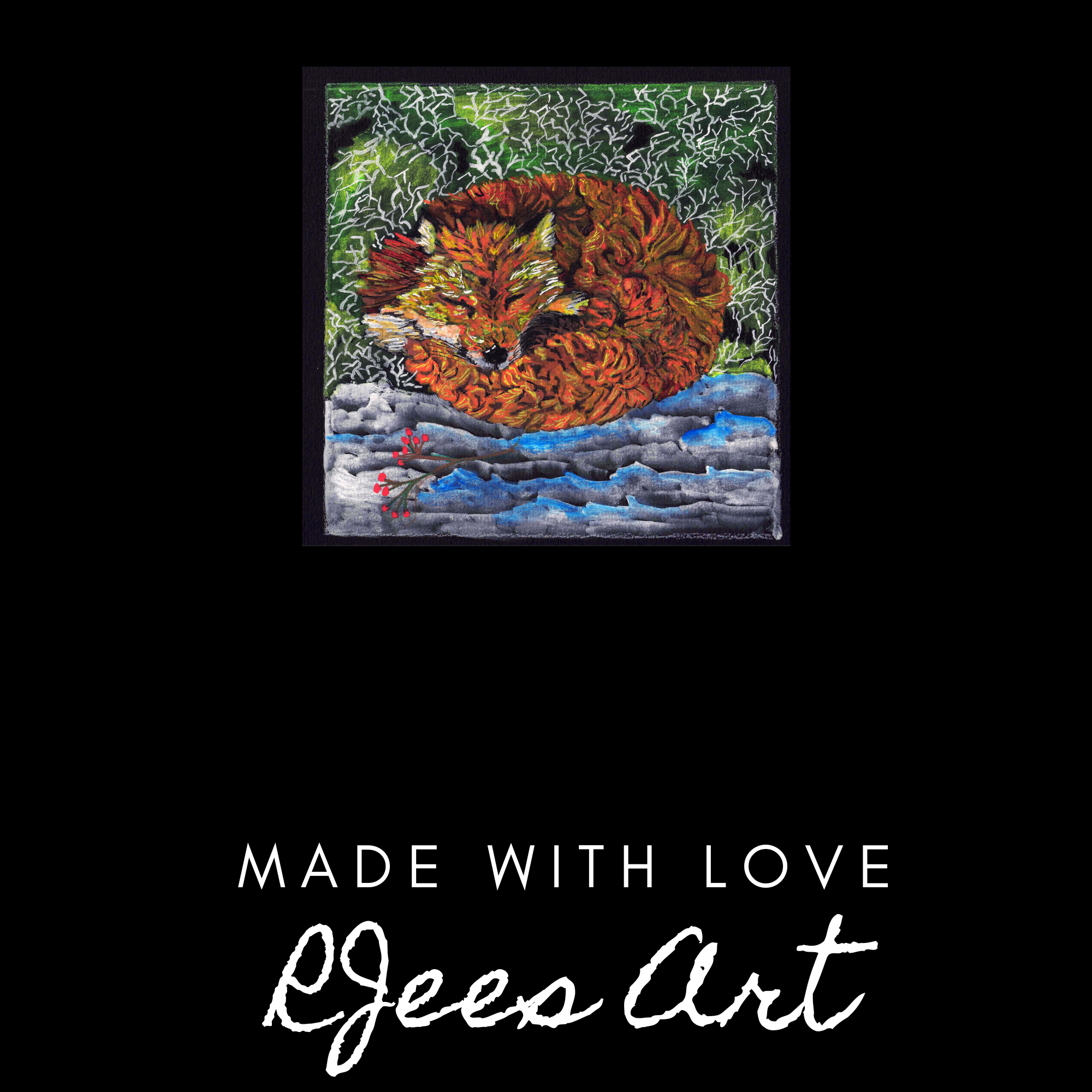
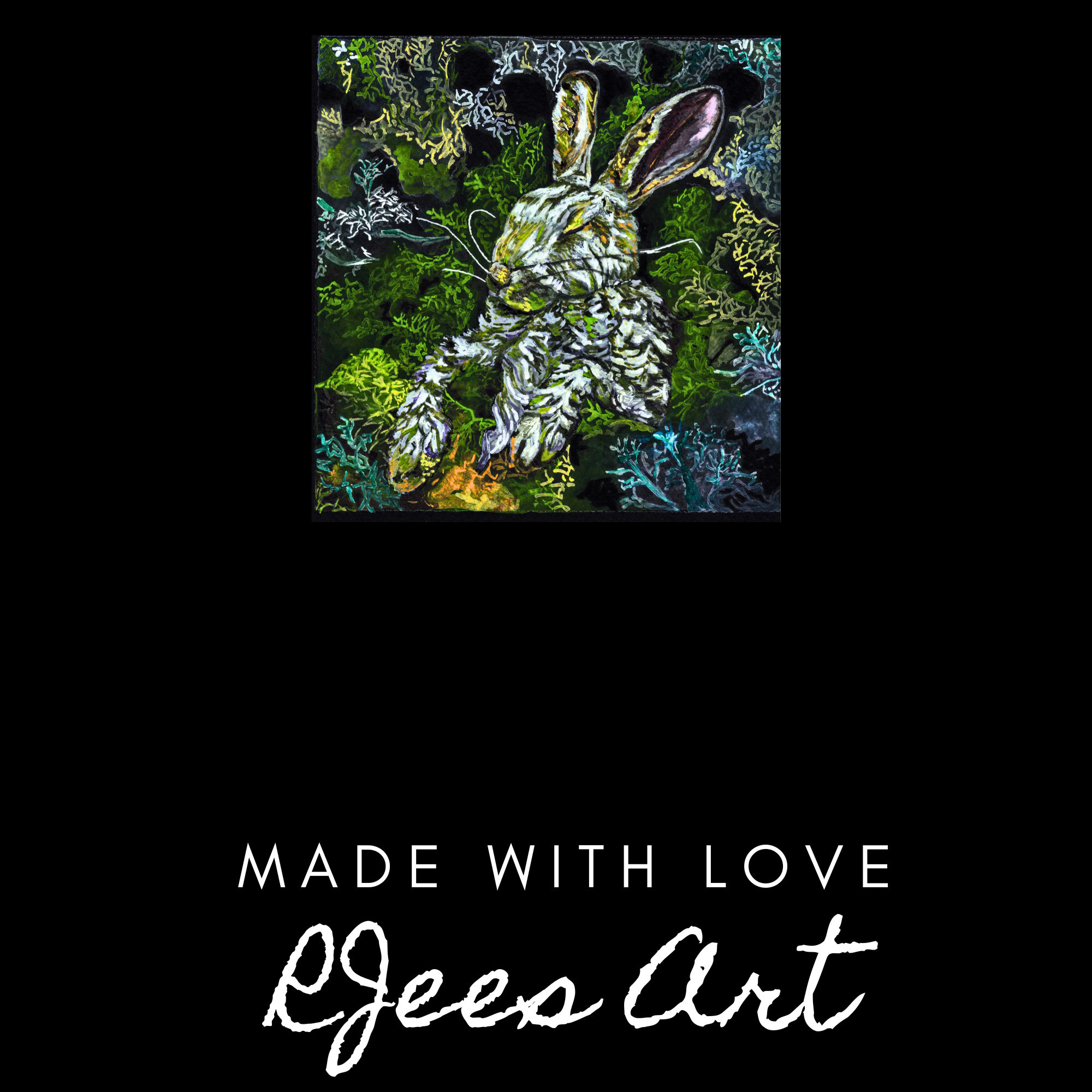
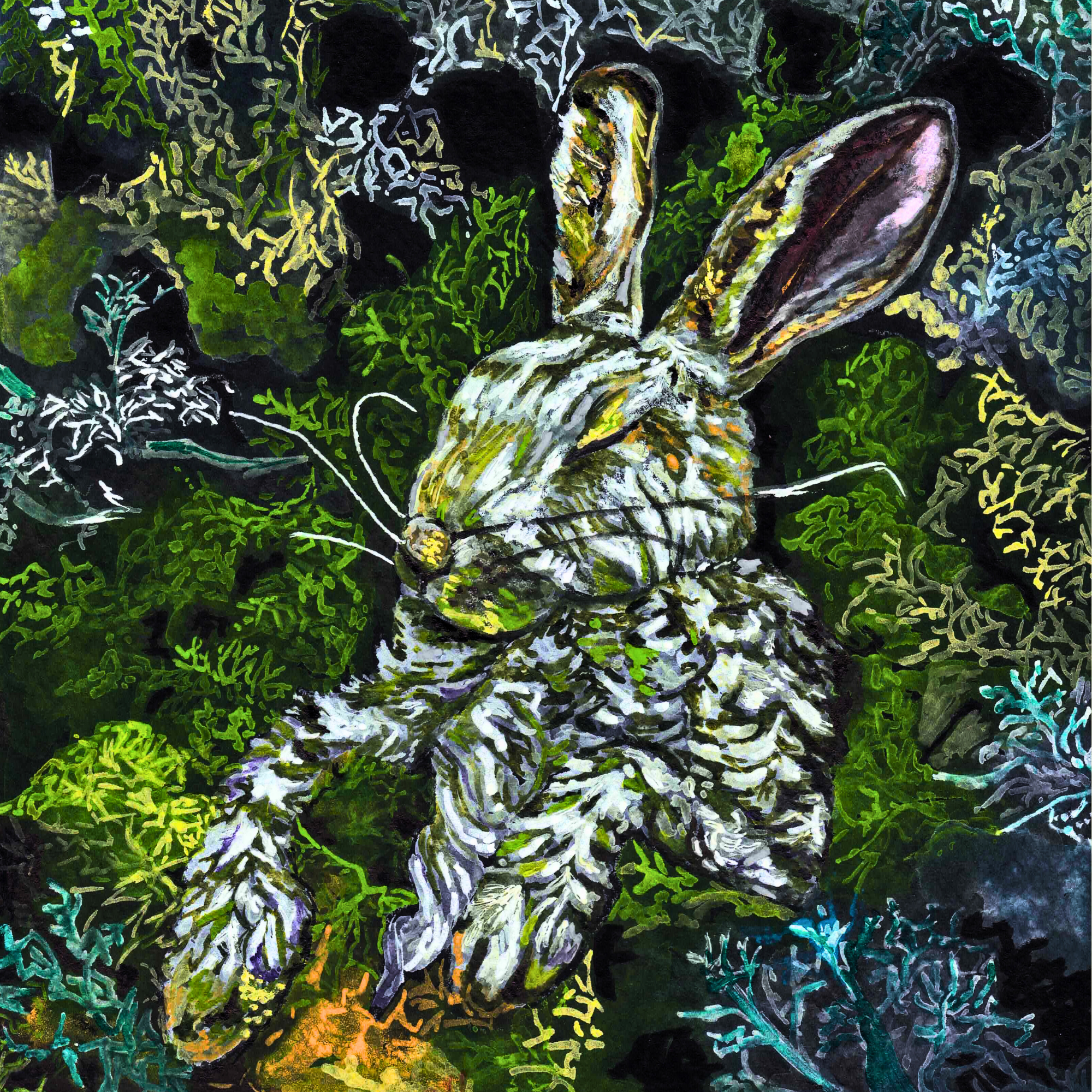
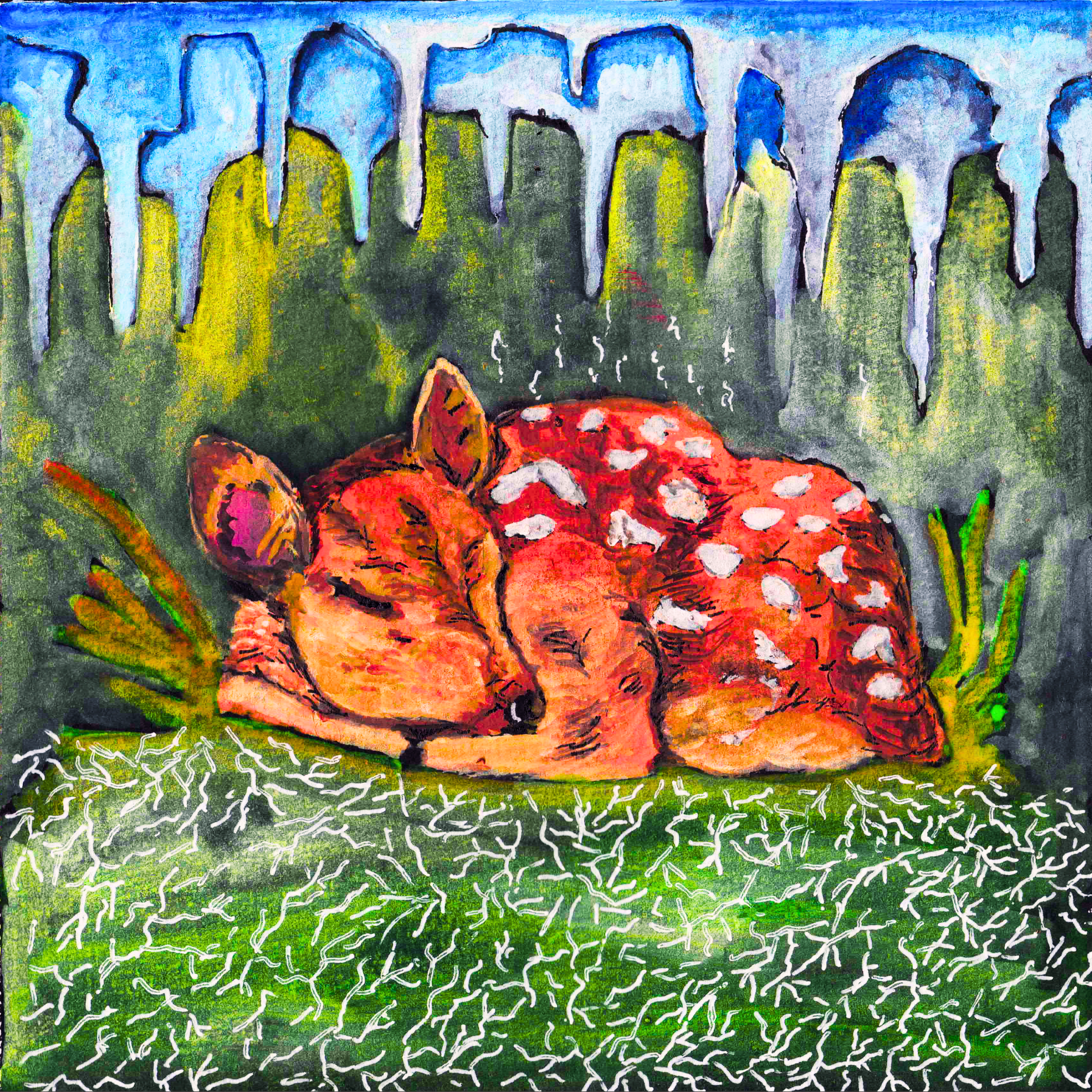
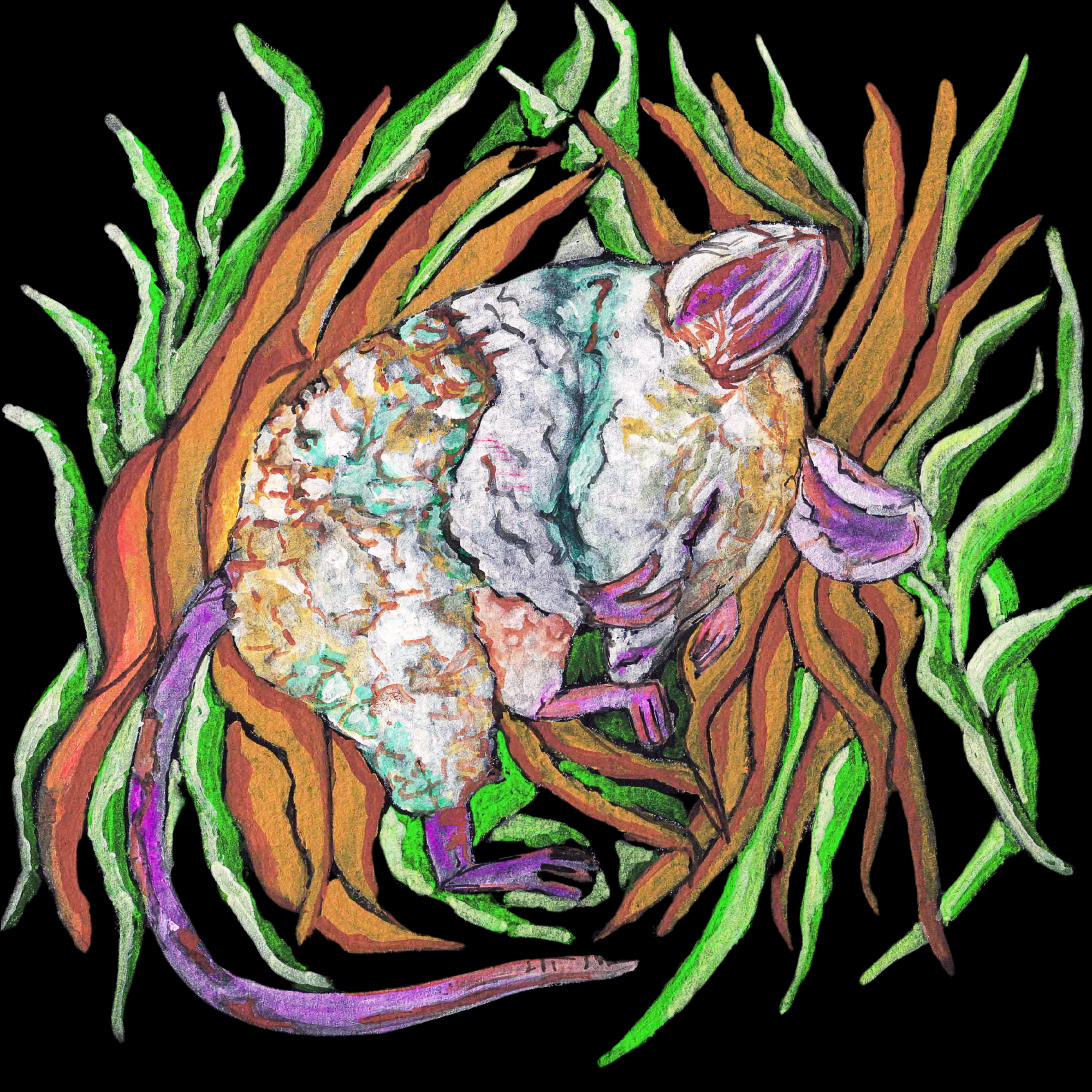
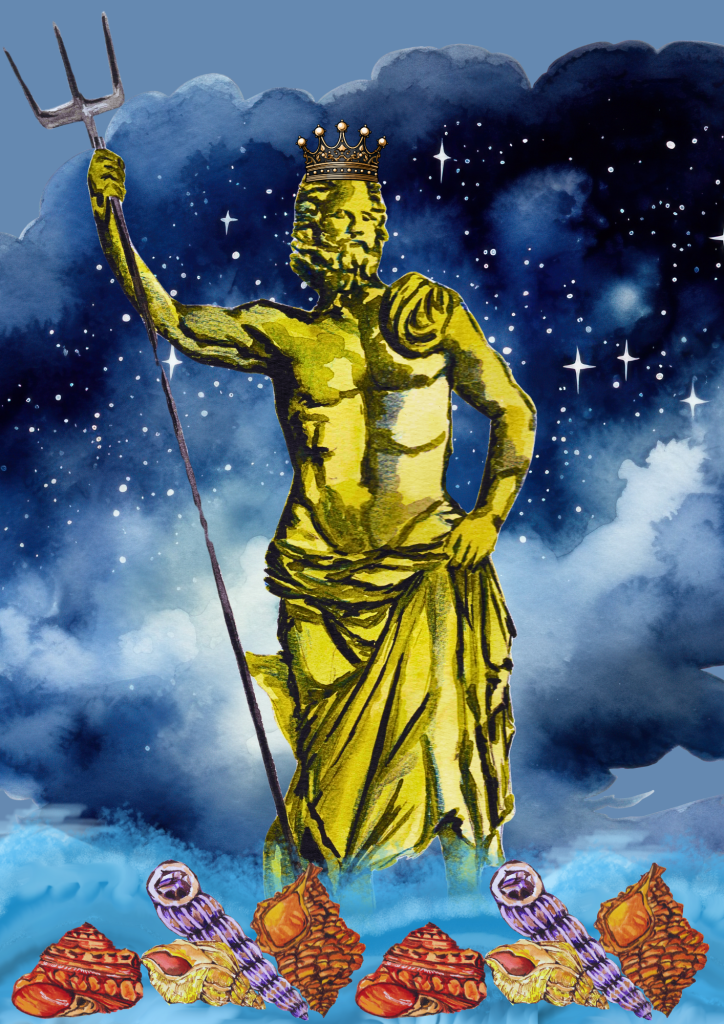
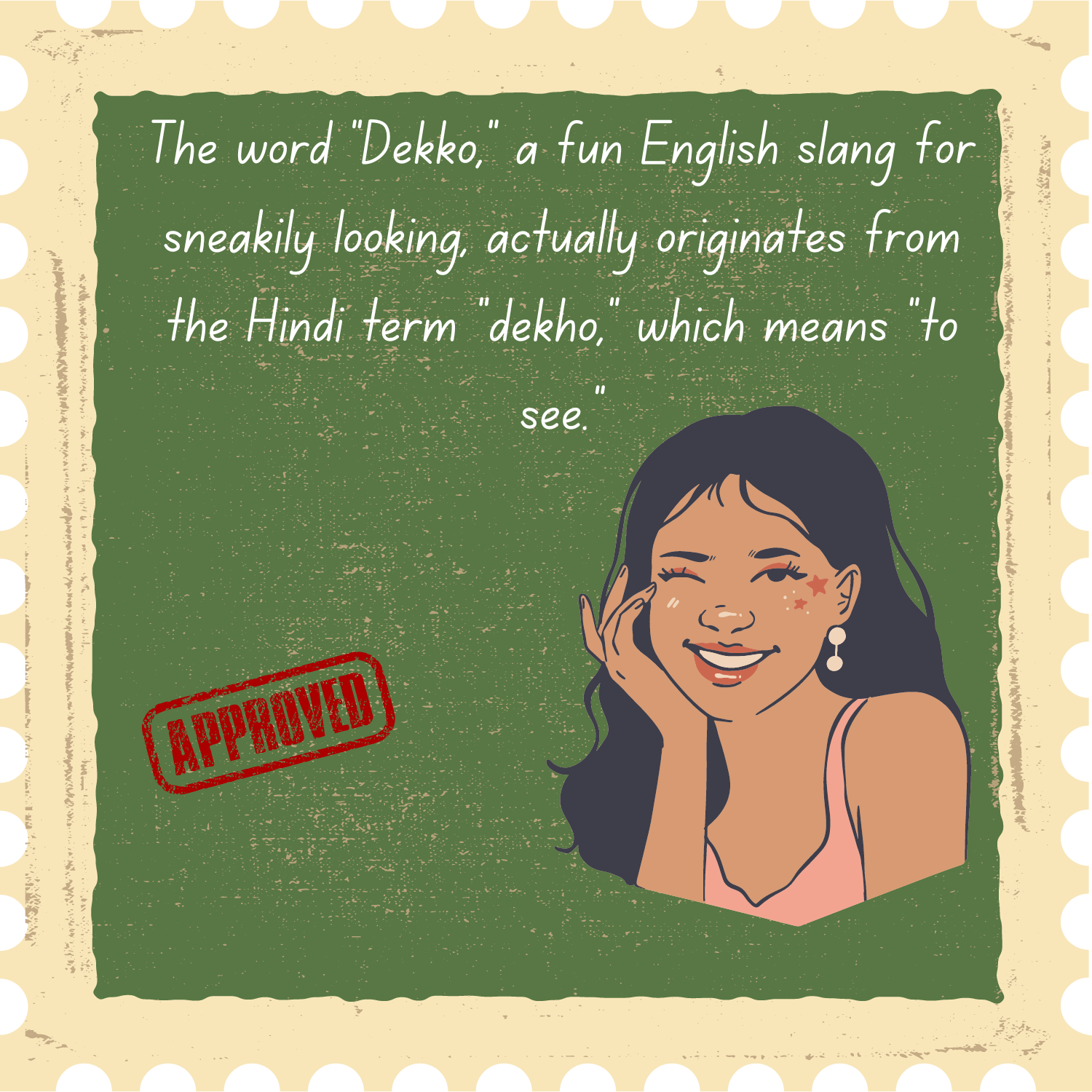
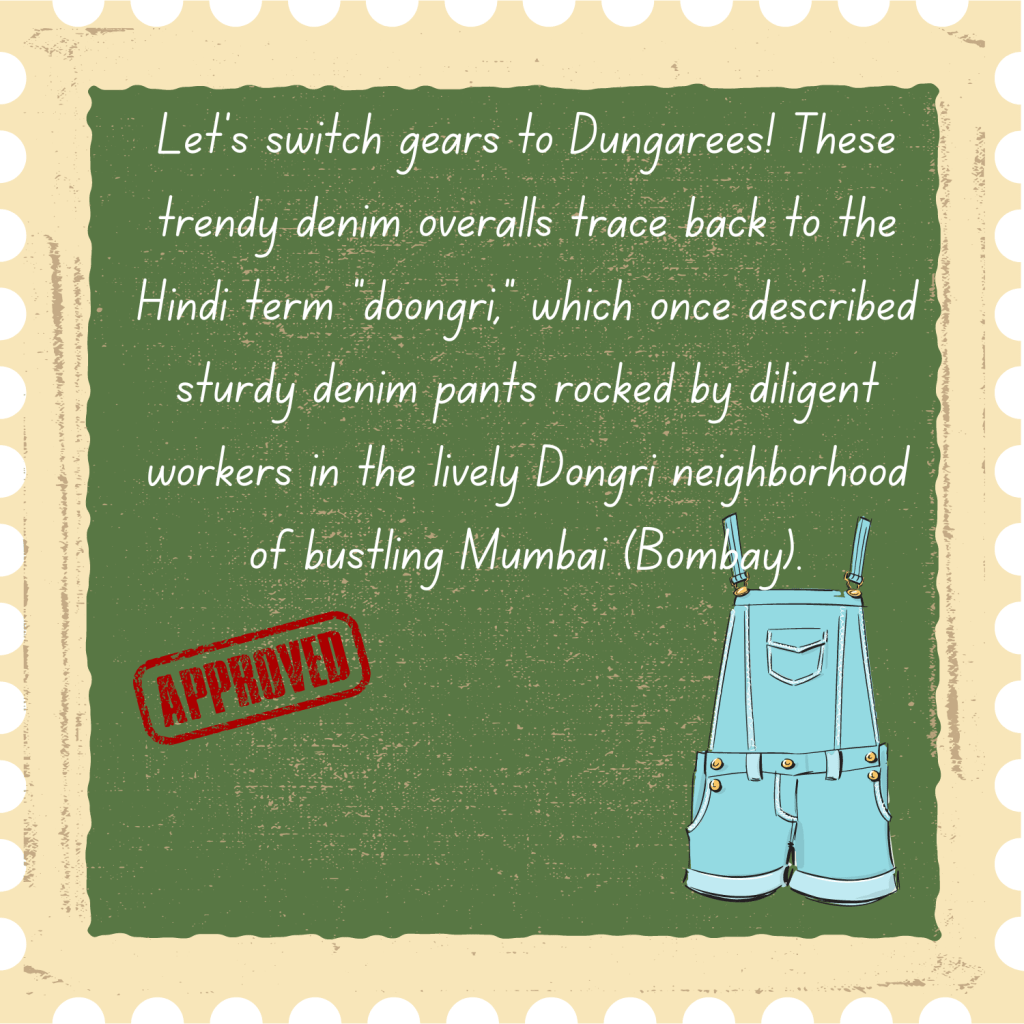




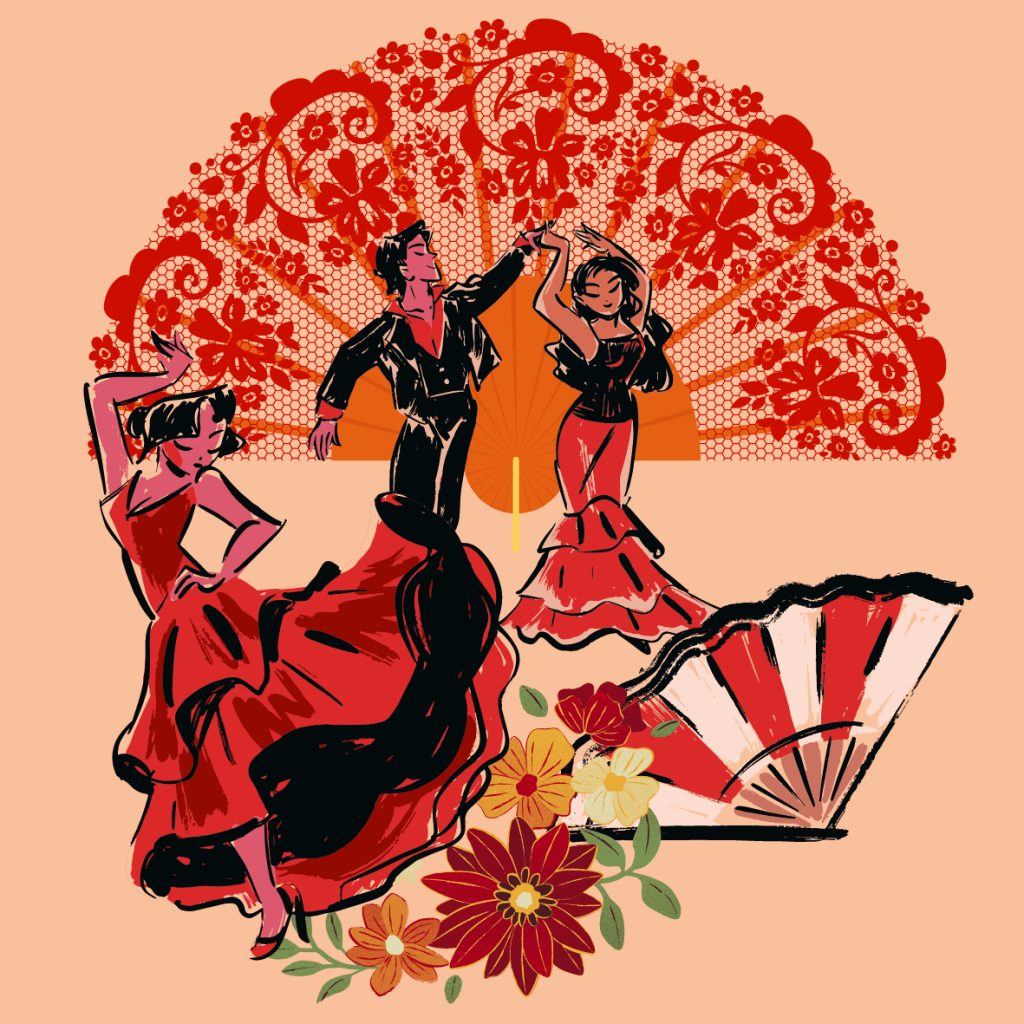
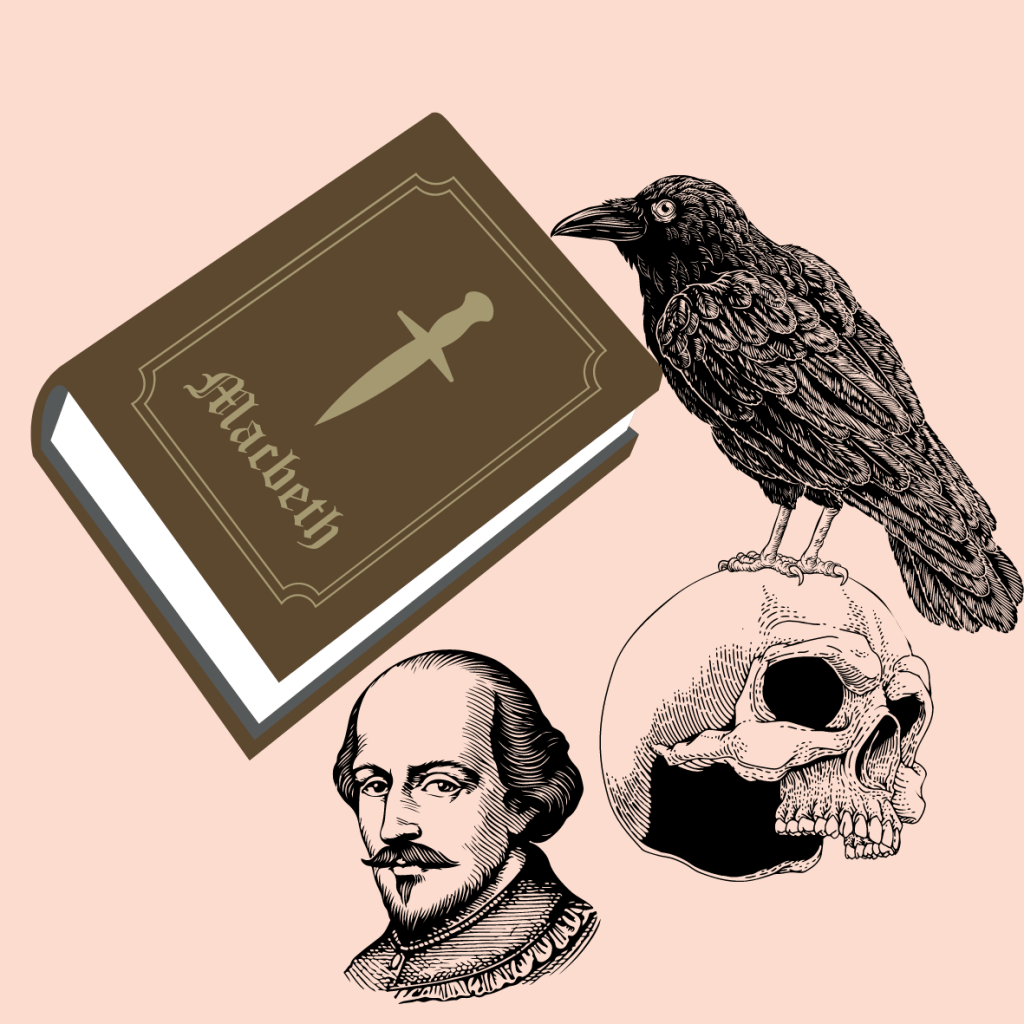
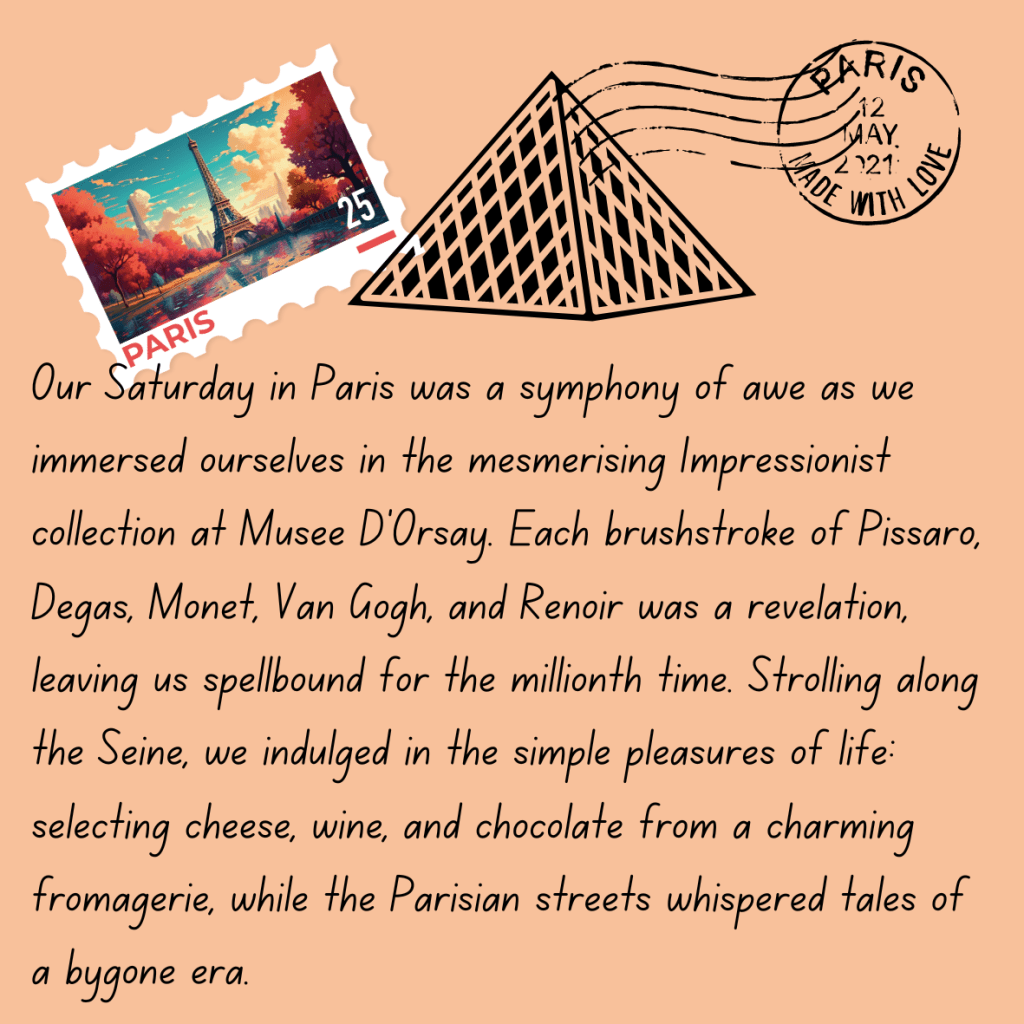
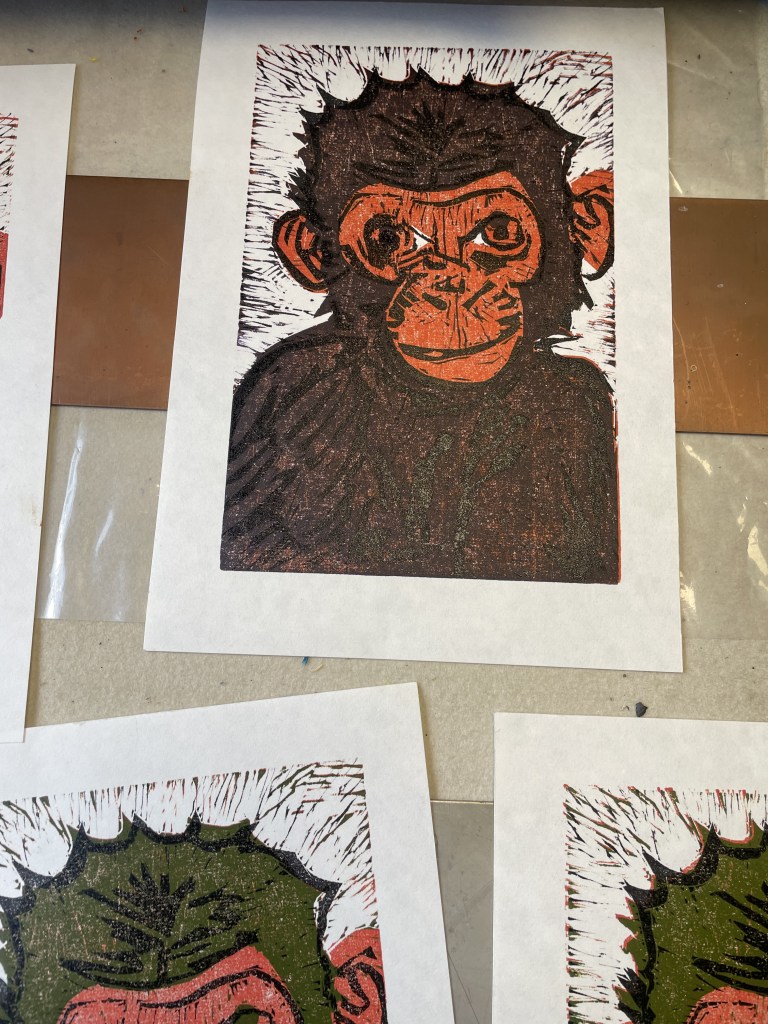
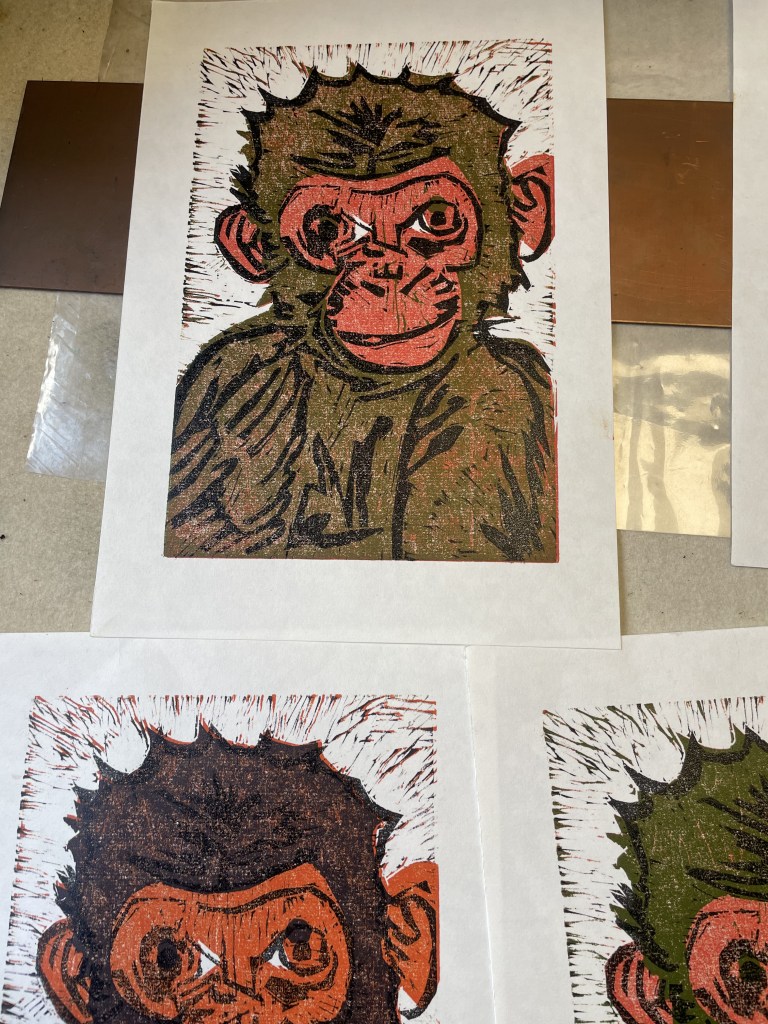
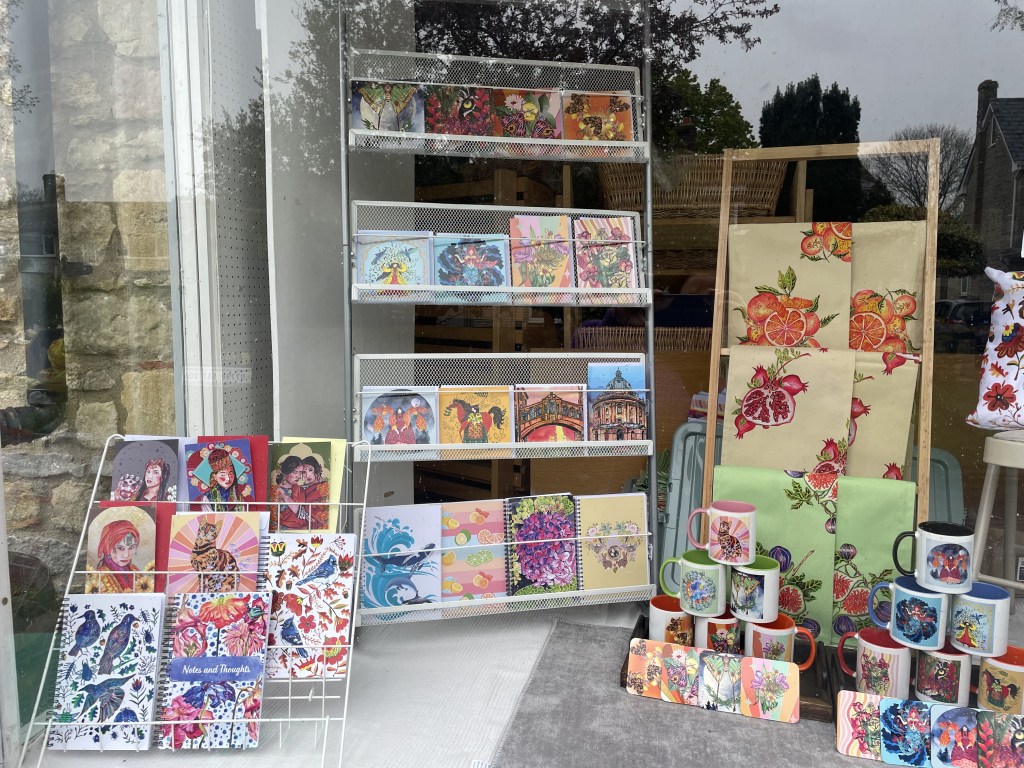
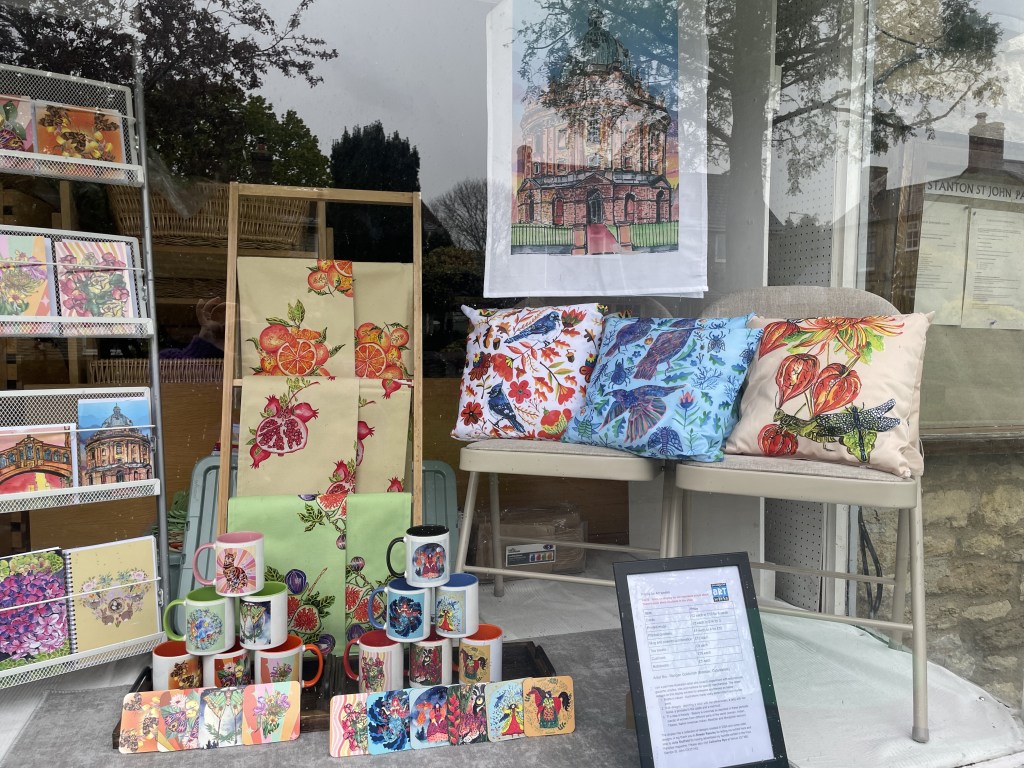
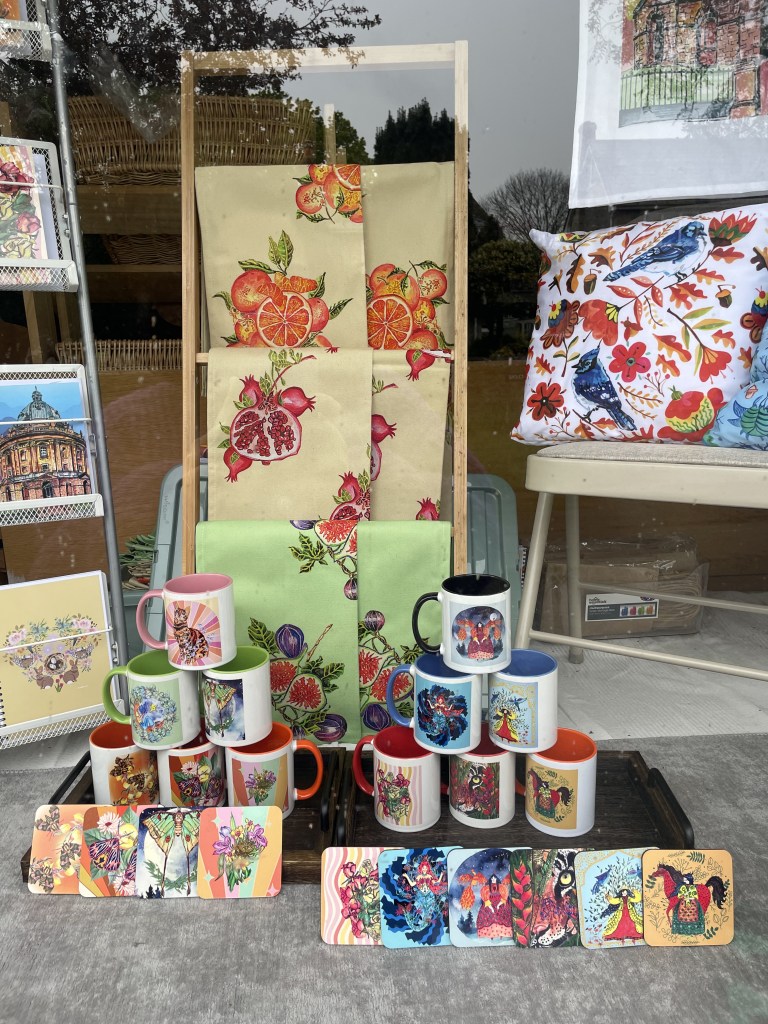
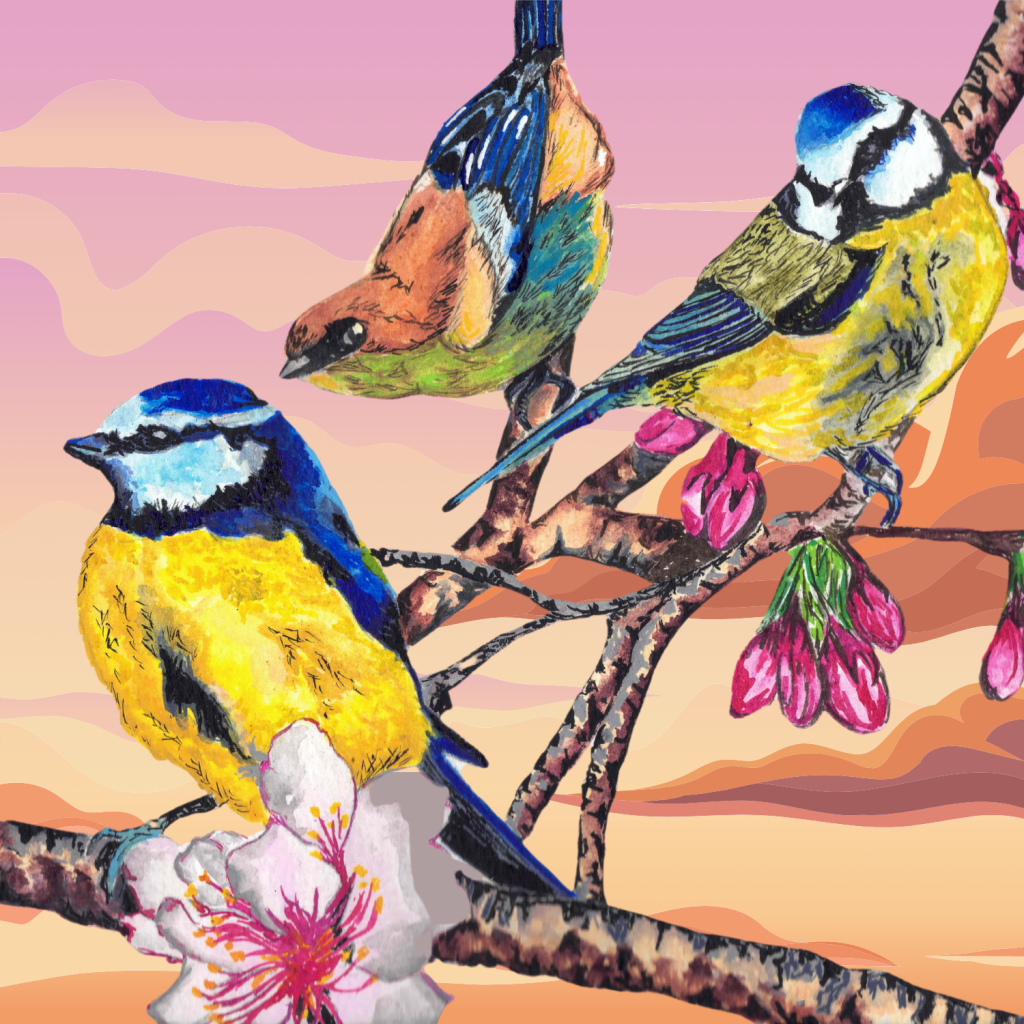
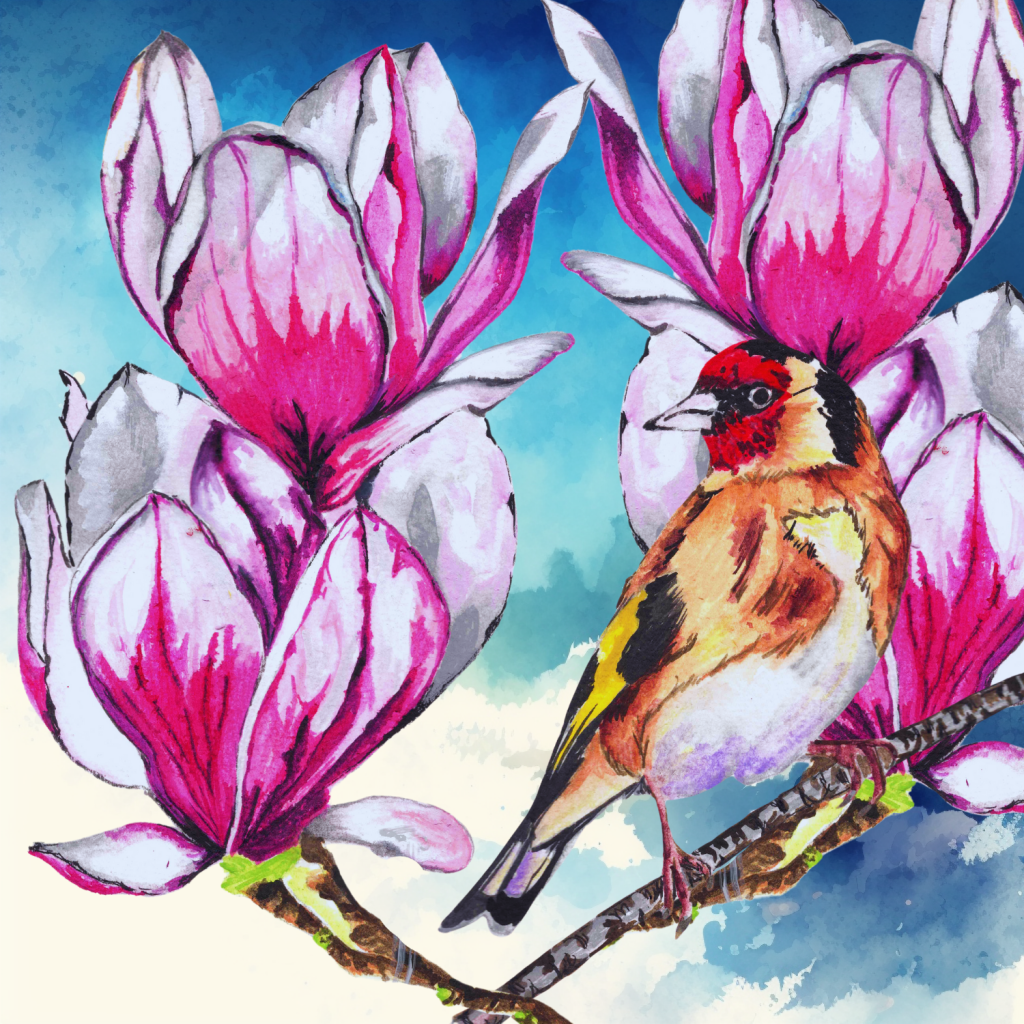
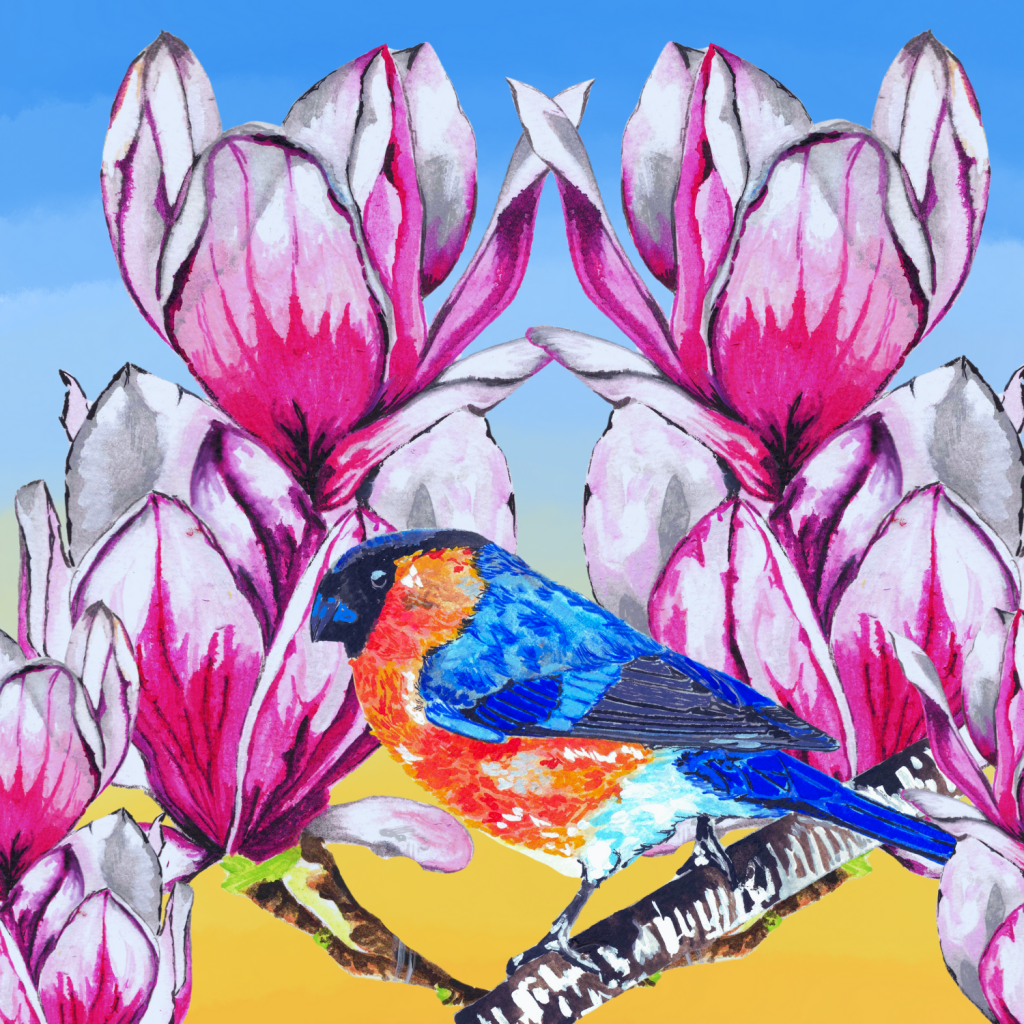
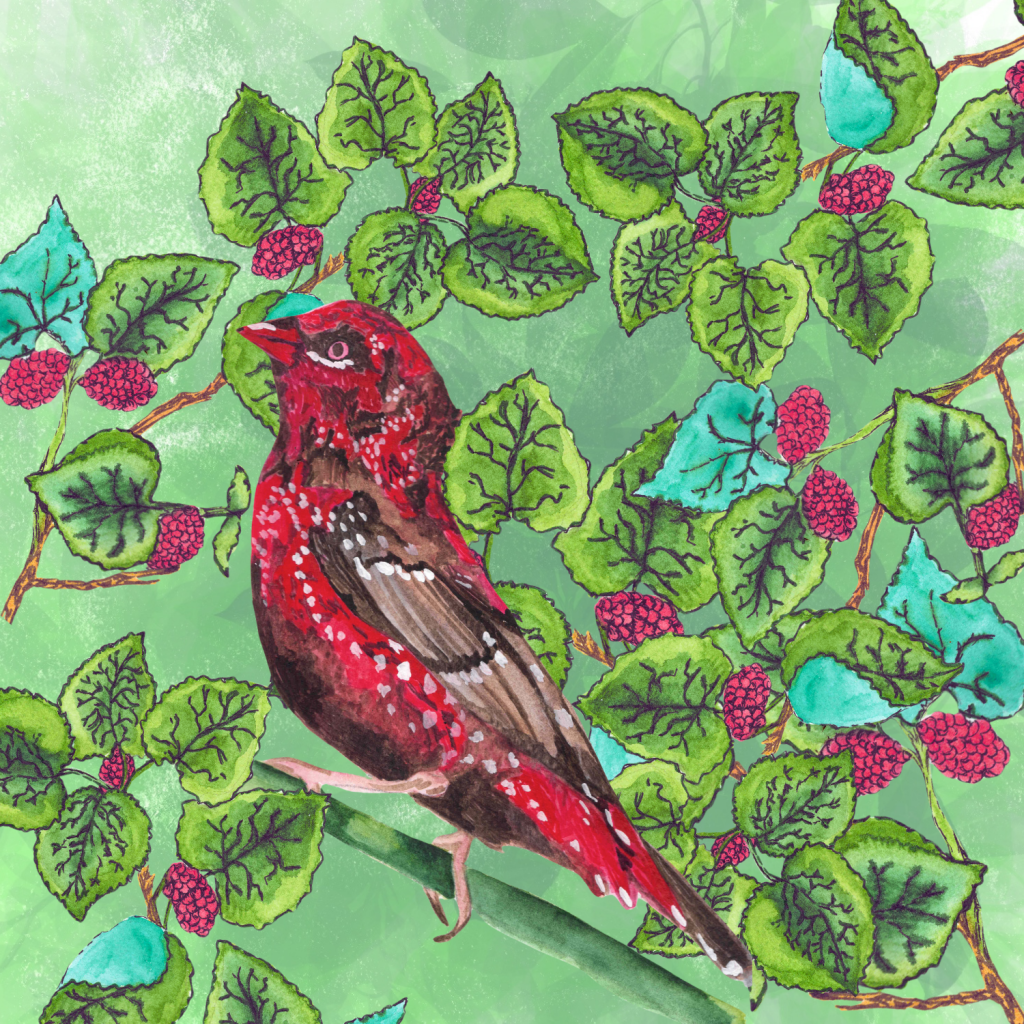
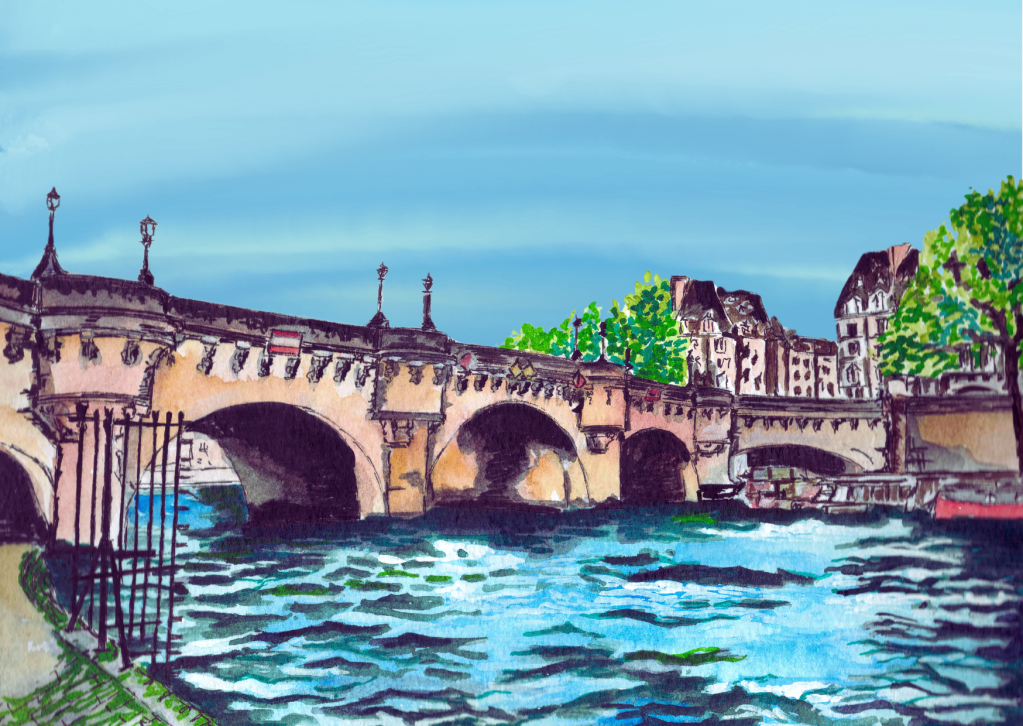
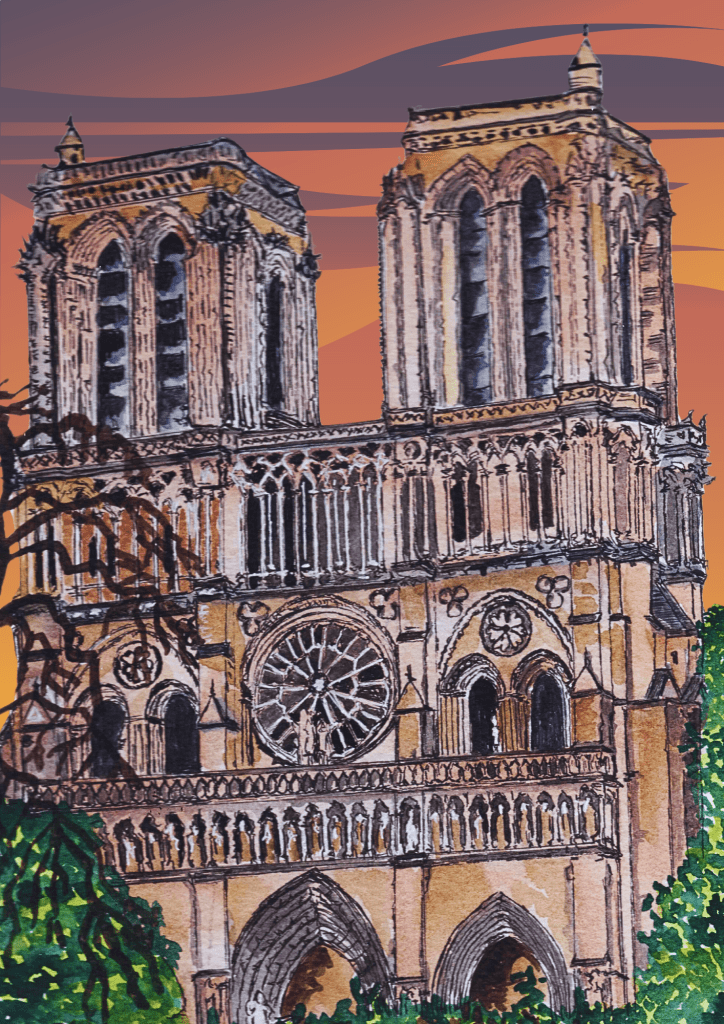

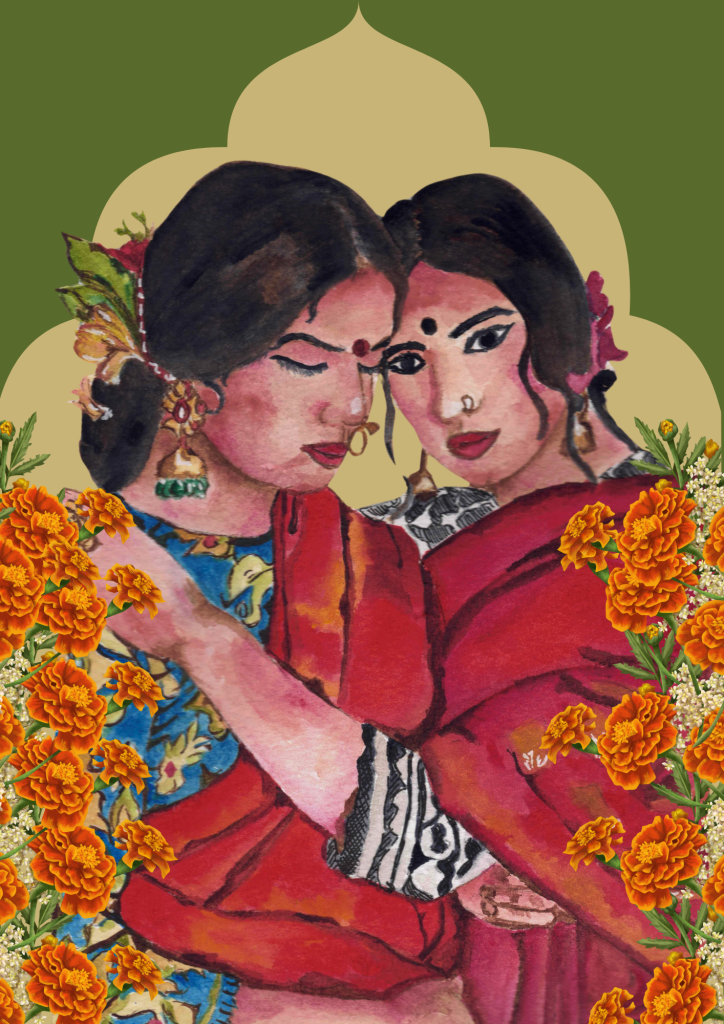


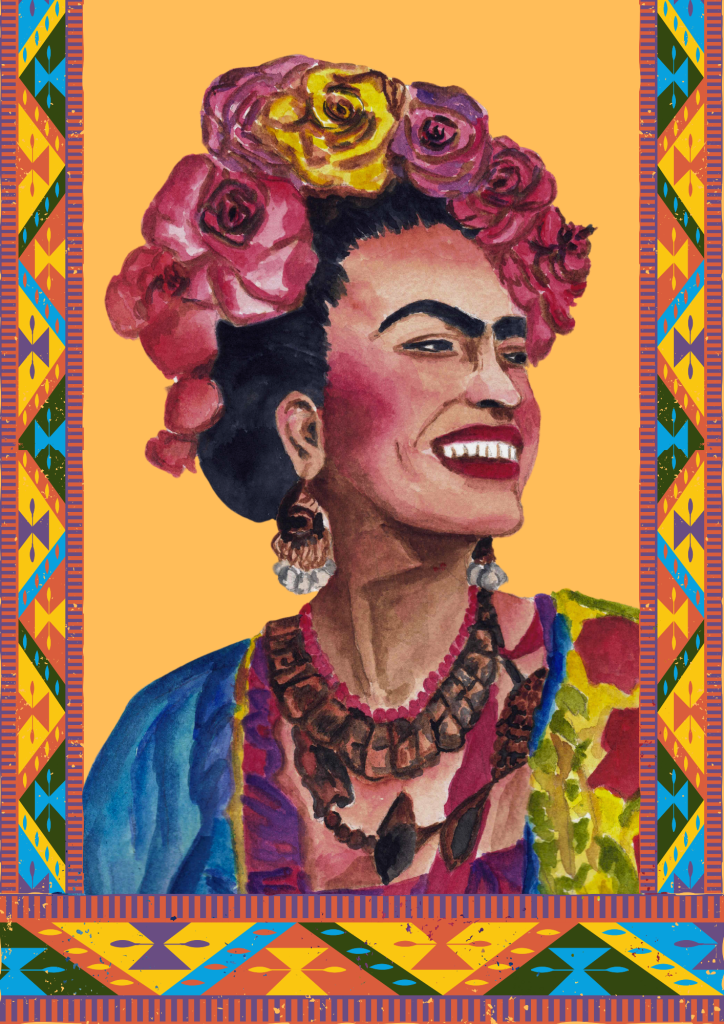
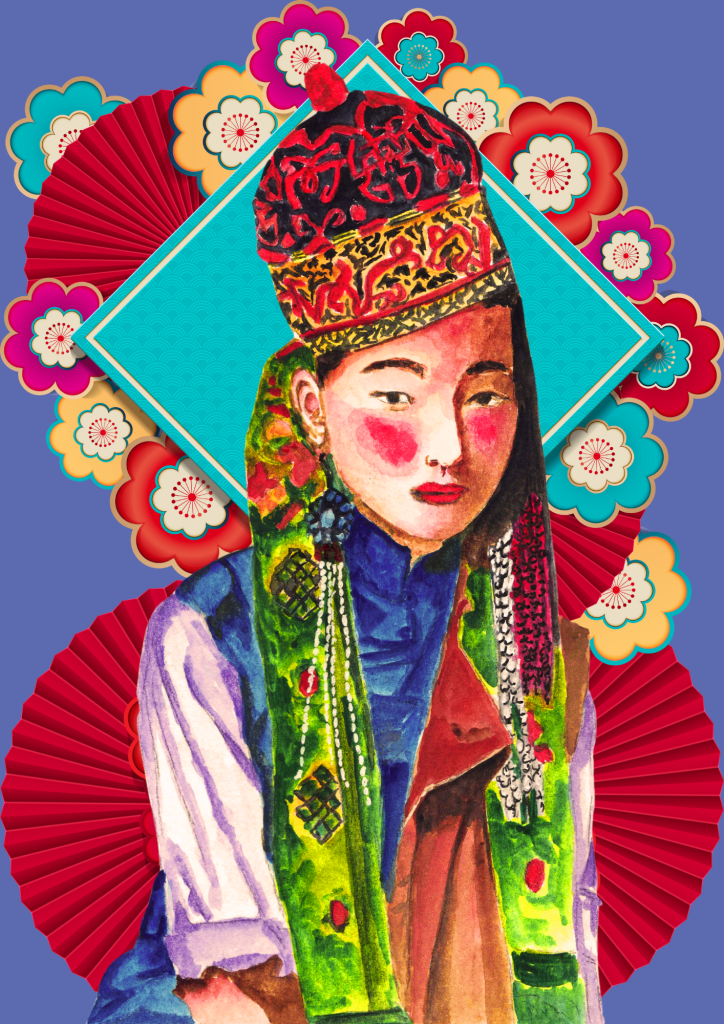
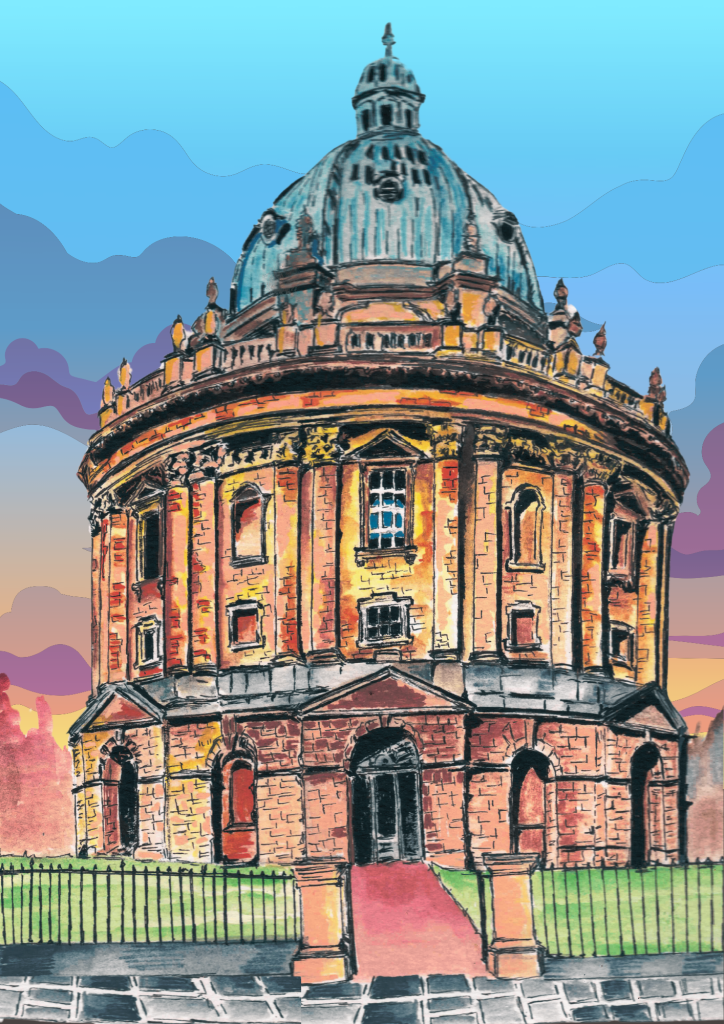
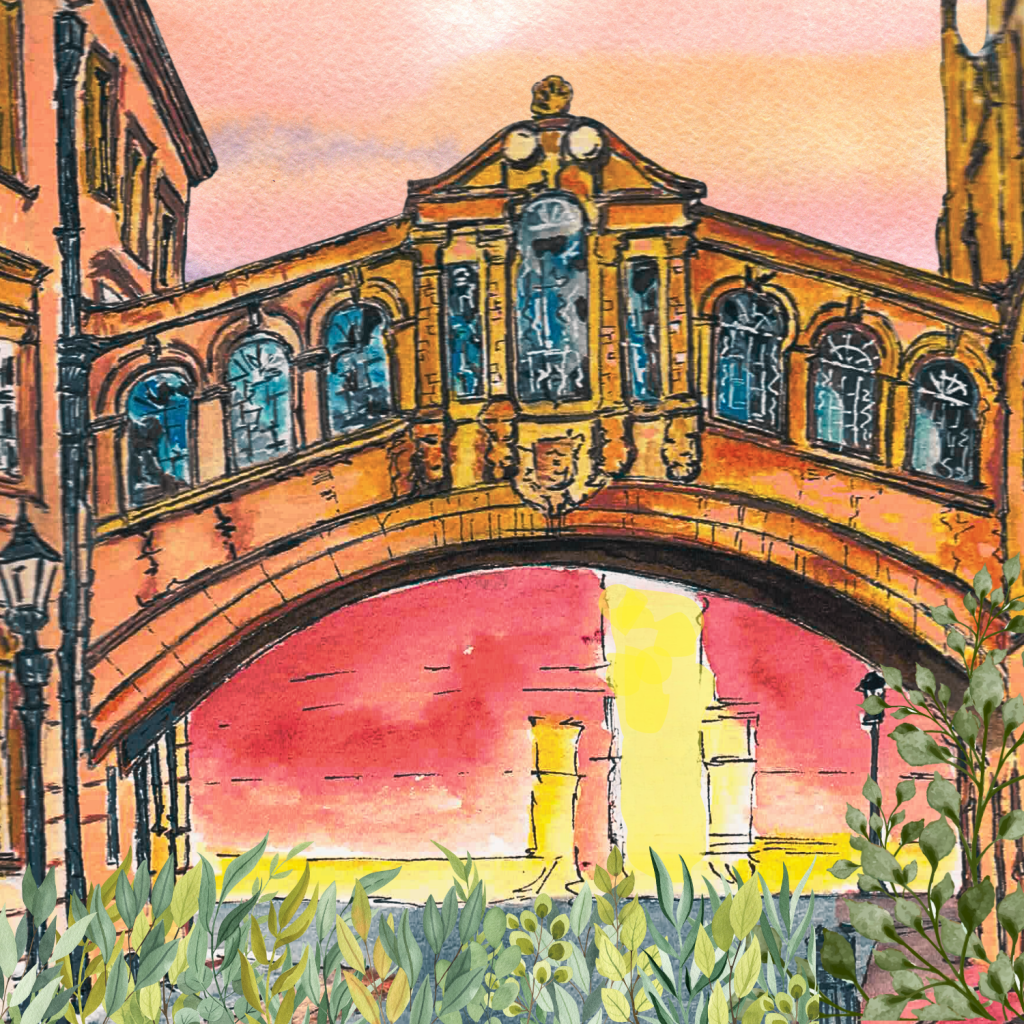
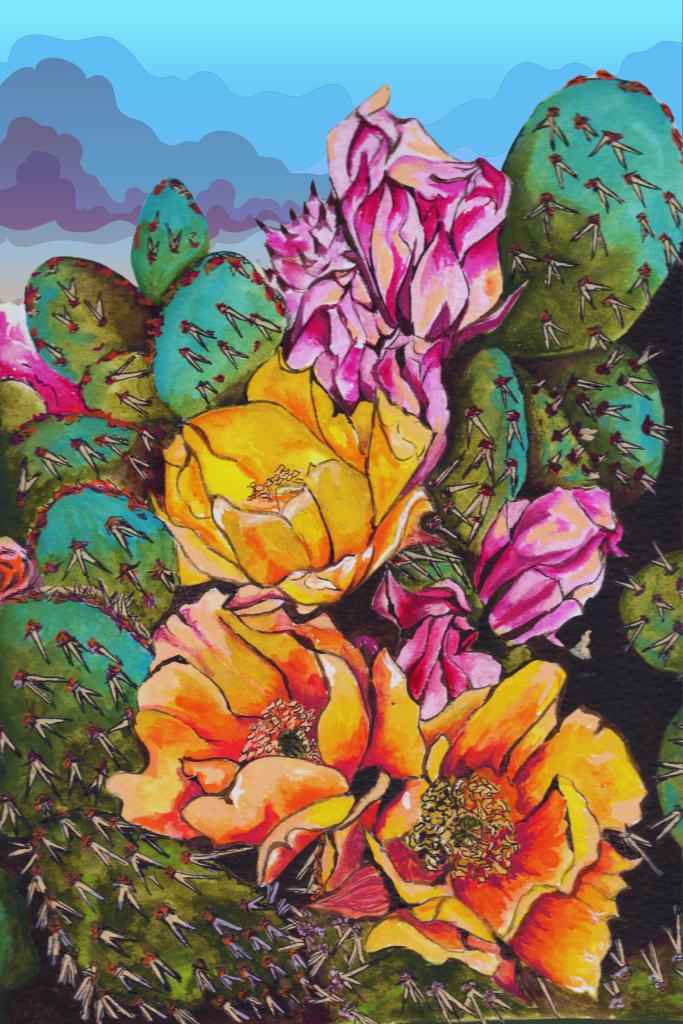
 Cogitatio